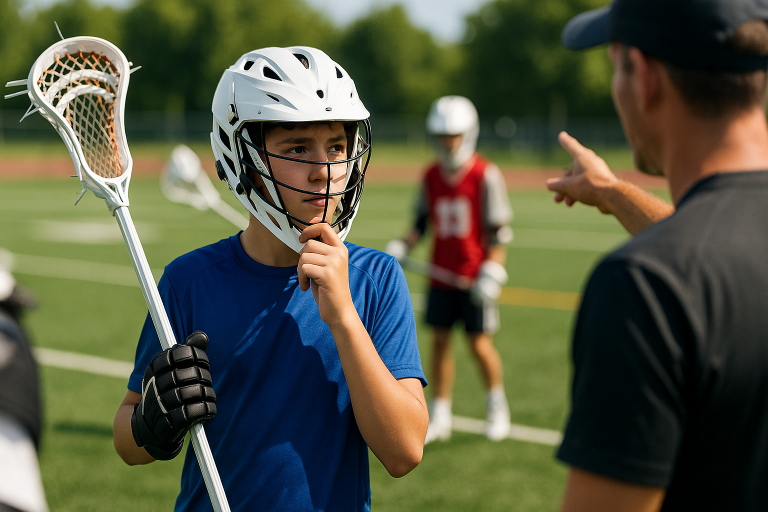
Youth sports are about more than just physical development—they’re also about building life skills that last well beyond the playing field. Among the most critical traits a young athlete can develop is mental toughness. In a fast-paced, high-pressure sport like lacrosse, this trait is particularly valuable. Developing lacrosse mental toughness equips kids with the emotional resilience, focus, and self-belief they need to navigate both sport and life with confidence.
While physical skills are easy to measure and practice, mental toughness requires a more intentional and supportive approach. Parents and coaches who understand the value of mindset development can create a powerful impact. By nurturing this skill in young players, we help them deal with setbacks, control emotions under pressure, and build lasting confidence that empowers them both on and off the field.
In this blog, we’ll explore what lacrosse mental toughness is, why it’s so important, and how parents and coaches can help young athletes develop it through practical tools, habits, and encouragement.
What Is Lacrosse Mental Toughness?
Lacrosse mental toughness refers to a player’s ability to stay emotionally and mentally resilient in the face of pressure, adversity, and competition. It’s the mindset that allows athletes to remain focused during a close game, bounce back after making mistakes, and push themselves through tough practices or games when things get hard.
Mental toughness in lacrosse doesn’t mean being emotionless or never feeling nervous. It means managing those emotions in productive ways and using challenges as fuel for growth. For kids, learning how to regulate frustration, stay confident after a missed shot, or play with intensity without becoming overwhelmed are all part of developing lacrosse mental toughness.
Athletes who develop this trait early tend to excel not just in games but in school, social life, and future leadership roles. Lacrosse mental toughness helps kids embrace effort, value persistence, and believe in their ability to improve over time.
The Role of Parents and Coaches
Parents and coaches are the biggest influencers of a young athlete’s mindset. They can either create a high-pressure environment that triggers anxiety or one that nurtures growth and resilience. Helping kids build lacrosse mental toughness starts with the messages they receive from the adults around them.
Supportive adults can encourage a “growth mindset” by praising effort rather than outcome. When kids learn that mistakes are part of the learning process, they become more willing to take risks, try new skills, and bounce back from failure.
Ways parents and coaches can support mental toughness:
- Normalize challenges and mistakes as part of development
- Encourage effort and commitment, regardless of game results
- Model emotional control and resilience in your own behavior
- Provide positive reinforcement that highlights progress and grit
When kids feel emotionally safe and supported, they are more willing to develop their resilience and step out of their comfort zone.
Confidence Starts with Preparation
Confidence is a key part of lacrosse mental toughness. One of the best ways to help young athletes feel confident is through consistent preparation. The more they practice, the more they trust themselves. Confidence doesn’t come from winning every game—it comes from knowing you’ve put in the work.
Players who practice their stick handling, footwork, shooting, and game IQ during the week show up more focused and ready on game day. They’re less likely to panic when under pressure and more likely to stay composed after mistakes.
Encourage your child to:
- Set small, measurable goals for practice sessions
- Review highlights from past performances to see their growth
- Establish routines that reinforce positive habits
Preparation also includes mental warm-ups, like visualization or breathing exercises, to help players stay calm and focused during high-stress moments.
Teaching Kids to Handle Pressure
Every young athlete will experience pressure—whether it’s a close game, a playoff match, or simply wanting to impress their coach. Helping kids develop strategies to manage pressure is an essential part of fostering lacrosse mental toughness.
Pressure isn’t something to avoid. Instead, it should be reframed as a chance to grow. Teach players to use simple tools like:
- Deep, calming breaths during stoppages
- Positive self-talk (“I’ve practiced this. I can do this.”)
- Focusing on one play at a time rather than the score
The goal is not to eliminate pressure but to help young players develop healthy ways to navigate it. Over time, they’ll see pressure-filled moments not as obstacles but as opportunities to rise.
Using Mistakes as Fuel for Growth
Mistakes are inevitable in every sport—and in life. A crucial part of developing lacrosse mental toughness is learning to respond to mistakes in a productive way. Too often, kids internalize mistakes as failures rather than steps toward improvement.
When coaches and parents respond calmly to errors and encourage reflection rather than punishment, they model emotional resilience. This helps kids process setbacks without shame and with curiosity.
Help your player shift their mindset by:
- Asking “What did you learn from that moment?”
- Highlighting what went well, even after a loss
- Celebrating recovery—how quickly they moved on from the mistake
The ability to recover and refocus is the core of mental toughness. Every missed shot or bad pass is an opportunity to practice resilience.
Visualization and Mental Rehearsal Techniques
Visualization is a proven tool used by elite athletes to strengthen focus, build confidence, and prepare for competitive moments. Teaching kids how to use visualization as part of their lacrosse mental toughness routine can be a game changer.
Simple visualization exercises before practice or games can help athletes mentally rehearse skills, strategies, or high-pressure moments. It improves clarity, reduces anxiety, and reinforces positive outcomes.
Here’s how to get started:
- Have players close their eyes and imagine completing a clean pass, goal, or successful dodge
- Encourage them to feel the emotion and physical sensation of success
- Revisit visualization techniques regularly to keep the skill sharp
Even five minutes of mental practice can have a powerful impact on performance and confidence.
Balancing Competition with Joy
At the heart of any youth sport should be fun. If lacrosse starts to feel like a job, it becomes harder for kids to stay emotionally engaged. Maintaining joy is not just good for morale—it’s essential for building sustainable lacrosse mental toughness.
Kids who play with joy are more creative, more open to feedback, and more resilient in the face of adversity. Encourage your athlete to connect with what they love about the game: being with teammates, making great plays, or just being active outdoors.
To support long-term joy in lacrosse:
- Avoid over-scheduling or intense year-round play without breaks
- Celebrate sportsmanship and effort more than wins
- Let kids take the lead in setting goals or identifying areas they want to improve
Joy fuels motivation. And motivated players are more likely to persist through challenges and build true mental toughness.
Creating a Mentally Tough Team Culture
Lacrosse mental toughness isn’t just an individual skill—it thrives in the right environment. When teams support each other, celebrate effort, and encourage learning, every player becomes more resilient.
Coaches and captains can lead the way by setting a positive tone. Team-building exercises, post-game reflections, and open dialogue help normalize both success and struggle.
A mentally tough team:
- Builds each other up during rough games
- Stays focused and united under pressure
- Celebrates growth and grit—not just stats
When every player knows they are supported, they’re more willing to push themselves and take risks.
The Power of Routine and Structure
One of the most overlooked contributors to lacrosse mental toughness is the presence of consistent routines. When young athletes have structure in their training, pre-game preparation, and post-game reflection, they build a sense of stability that reinforces confidence and focus.
Establishing routines helps athletes stay grounded, especially in high-pressure environments. Predictable habits, like warming up the same way or mentally reviewing their goals before each game, can create a calming effect and reduce performance anxiety.
Consider these routine-building tips for parents and coaches:
- Encourage players to follow the same warm-up each game
- Help them create a pre-game checklist (gear, mindset, hydration)
- Guide them through post-game reflection—what went well, what to improve
A solid routine trains the mind to respond with consistency, which is the foundation of mental toughness on the field.
Recognizing and Managing Negative Self-Talk
Lacrosse mental toughness doesn’t mean athletes never doubt themselves—it means they learn how to handle those doubts when they arise. One of the biggest barriers to confidence is negative self-talk, which can quickly spiral into anxiety or fear of failure.
Teaching young players how to identify and replace negative self-talk is a powerful mental skill. Whether it’s “I always mess up under pressure” or “I’m not good enough,” these thoughts can be reframed into positive affirmations that encourage resilience.
Parents and coaches can help by:
- Listening closely to how kids talk about their performance
- Replacing harsh self-criticism with constructive language
- Modeling positive self-talk in their own behavior
By helping athletes challenge negative thinking and embrace mistakes as part of growth, we empower them to build stronger inner dialogue—and greater mental toughness.
Final Thoughts on Lacrosse Mental Toughness
Lacrosse mental toughness isn’t something kids are born with—it’s a skill developed over time through consistent support, challenge, and self-discovery. Whether your child is just starting in the sport or looking to take their game to the next level, nurturing mental toughness can have a transformative impact on their performance and self-esteem.
Parents and coaches play a vital role in creating an environment where kids feel empowered to fail, learn, and try again. When we focus on mindset as much as skillset, we help young athletes become not just better players—but stronger, more confident people.
With encouragement, the right tools, and space to grow, your athlete can learn to manage pressure, bounce back from setbacks, and believe in their ability to succeed. That’s the heart of lacrosse mental toughness—and the most rewarding win of all.
STXZ private lessons
Find a lacrosse coach near you
Private lessons with independent coaches, booked and paid through STXZ.
- 01Share your goalsYour player’s age, level, goals and the days that work for your family.
- 02Get matchedWe match you with an independent, background-checked coach near you.
- 03Start lessonsMeet at a field close to home, with you or another adult you choose there for every lesson.