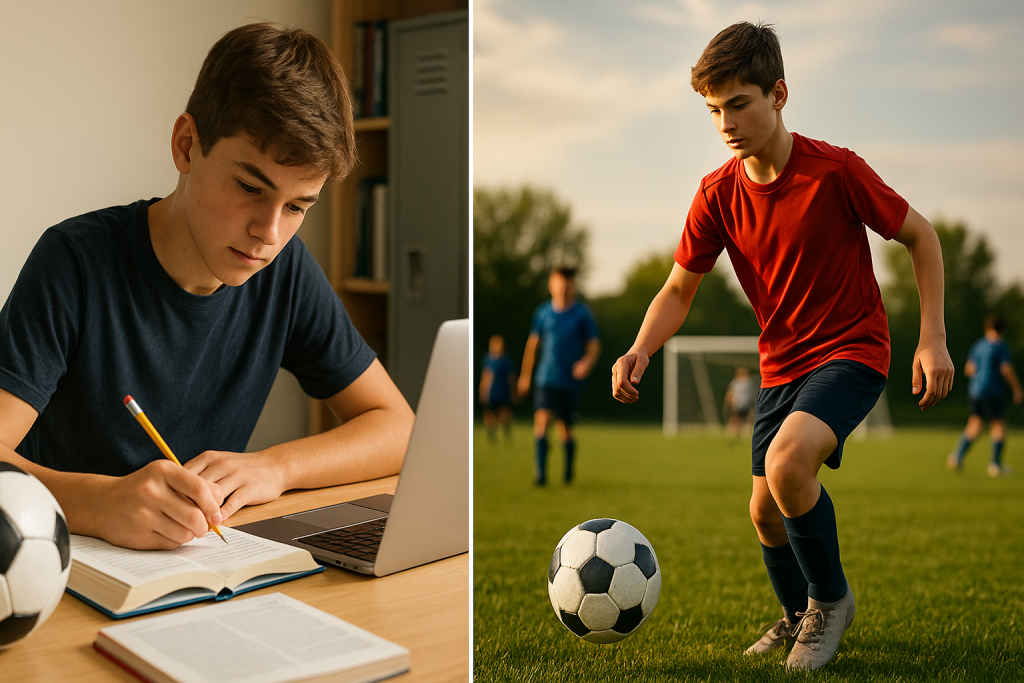
Being a student athlete can be incredibly rewarding, offering numerous opportunities for growth both academically and athletically. However, balancing school and sports is often a significant challenge. With rigorous practices, demanding games, extensive travel schedules, and academic responsibilities, student athletes must master the art of effective time management to achieve success. The good news is, with proper planning and discipline, managing both school and athletics can not only be possible but also highly beneficial.
Learning how to balance school and sports effectively allows students to excel academically without compromising their athletic performance. It instills crucial life skills, such as discipline, responsibility, resilience, and organizational ability, which are invaluable both on and off the field. However, mastering these skills doesn’t happen overnight. It requires intentional effort, patience, and a well-structured strategy tailored to each student’s unique lifestyle and obligations.
In this blog, we will explore practical and insightful tips on balancing school and sports effectively. Whether you’re a student athlete seeking strategies to manage your workload, a parent guiding your child through their athletic and academic journey, or a coach aiming to support your players in achieving balance, this comprehensive guide offers valuable information and actionable steps to optimize your time and energy.
Understanding the Importance of Balancing School and Sports
Balancing school and sports effectively is critical for student athletes striving for holistic success. School is foundational, offering students essential skills and knowledge to succeed academically and professionally. Simultaneously, sports provide physical fitness, teamwork skills, and an outlet for stress relief, fostering overall mental health and personal growth. Neglecting either academics or athletics can lead to imbalance, adversely affecting overall well-being and future prospects.
When student athletes prioritize balancing school and sports, they position themselves for long-term success. Athletes who master this balance tend to exhibit enhanced time management skills, improved focus, greater self-discipline, and higher resilience in overcoming obstacles. These traits are not only beneficial in academic or athletic contexts but are essential for personal and professional success throughout life.
Furthermore, balancing school and sports effectively helps student athletes avoid burnout. Burnout can significantly affect both academic performance and athletic ability, leading to decreased motivation, increased stress, and diminished overall performance. By proactively managing their schedules and responsibilities, student athletes can maintain enthusiasm and dedication in both areas of their lives.
Effective Time Management Techniques for Balancing School and Sports
To excel at balancing school and sports, student athletes must adopt effective time management strategies. Time management goes beyond simply scheduling study hours or practice sessions—it requires intentional planning, clear prioritization, and consistent execution of responsibilities. Effective strategies include:
- Prioritize tasks based on urgency and importance.
- Utilize planners and digital calendars for scheduling.
- Set realistic and achievable goals for academic and athletic tasks.
- Regularly review schedules and adjust as necessary.
Implementing these strategies will significantly enhance a student athlete’s ability to manage their responsibilities effectively. For instance, maintaining a detailed calendar that clearly delineates practice sessions, game days, assignments, tests, and study sessions can help in visualizing commitments and anticipating busy periods. This proactive approach prevents last-minute stress and ensures that both academics and athletics receive adequate attention.
Moreover, understanding personal productivity peaks helps significantly in balancing school and sports. Identifying whether you’re more productive in the morning, afternoon, or evening allows you to schedule challenging tasks or intensive study sessions during these optimal periods. This approach maximizes efficiency, minimizes wasted time, and ensures optimal energy management, leading to better outcomes both academically and athletically.
Creating a Balanced Schedule for School and Sports
Balancing school and sports becomes more manageable with a well-designed schedule. Creating a balanced schedule starts with identifying fixed commitments such as classes, sports practices, competitions, travel times, and family or social obligations. Once these are laid out, student athletes can realistically assess the remaining available time to dedicate to studying, homework, rest, and leisure activities.
An effective schedule not only highlights academic and sports commitments but also accounts for adequate rest and downtime. Rest is often underestimated in the student athlete’s life, but it is essential for maintaining optimal physical and mental health. Without sufficient rest, performance in both academics and athletics declines significantly. Therefore, a balanced schedule should always include downtime for relaxation, recovery, and rejuvenation.
Flexibility is another critical element of a balanced schedule when balancing school and sports. Unexpected events—such as increased school workload, injury, or additional practice sessions—can arise at any moment. Having flexibility built into your schedule ensures you can adjust your priorities and remain effective without becoming overwhelmed.
- Allocate time for breaks and rest.
- Build flexibility into your schedule.
- Regularly reassess and adapt your schedule.
The Role of Communication in Balancing School and Sports
Effective communication plays a crucial role in successfully balancing school and sports. Student athletes should maintain open, honest, and consistent communication with teachers, coaches, parents, and teammates. Transparent communication ensures that everyone involved understands the athlete’s commitments and challenges, facilitating support and guidance when needed.
Teachers and coaches appreciate proactive communication, particularly if academic or athletic conflicts arise. Informing teachers well in advance about potential scheduling conflicts related to games or competitions ensures necessary accommodations can be arranged. Similarly, communicating with coaches about academic obligations and responsibilities can lead to more flexible training schedules, allowing student athletes to fulfill their academic commitments effectively.
Additionally, communicating openly with parents about both academic pressures and athletic commitments fosters a supportive home environment. Parental understanding and support are essential for student athletes who need encouragement, resources, and guidance in balancing school and sports effectively. This collaborative effort significantly reduces stress and promotes a healthy balance between academic and athletic demands.
Managing Stress and Avoiding Burnout While Balancing School and Sports
Balancing school and sports can sometimes lead to stress and burnout if not managed effectively. Recognizing the early signs of stress—such as fatigue, irritability, declining academic or athletic performance, and lack of motivation—is essential for prevention. Early intervention through stress management strategies can help maintain balance and overall well-being.
Incorporating regular stress management techniques such as mindfulness, meditation, deep breathing exercises, or engaging in leisure activities significantly improves mental health. These practices help student athletes maintain clarity, reduce anxiety, and enhance their ability to manage responsibilities effectively. Even brief periods of relaxation or leisure activities, such as listening to music, spending time with friends, or simply enjoying a hobby, can greatly improve overall resilience and ability to handle stress.
Avoiding burnout requires proactive self-care. Maintaining adequate sleep, nutrition, and hydration is essential for student athletes who juggle demanding academic schedules and strenuous athletic activities. Ensuring physical health through proper diet, hydration, and rest enhances overall performance, reduces susceptibility to injury, and contributes positively to mental clarity and emotional well-being.
- Recognize early signs of stress and burnout.
- Practice regular self-care routines.
- Prioritize mental health and emotional support.
Utilizing Support Systems to Balance School and Sports
Successful balancing of school and sports is often facilitated by leveraging available support systems. Student athletes benefit greatly from tapping into academic resources, such as tutoring centers, study groups, or mentorship programs. Utilizing these academic supports helps athletes remain on track with their schoolwork and academic goals, even during busy athletic seasons.
Similarly, athletic support systems—such as team trainers, coaches, and athletic directors—can provide valuable guidance on managing athletic responsibilities alongside academics. Coaches and trainers often have extensive experience working with student athletes and can offer personalized strategies to enhance balance, performance, and overall well-being.
Family and peer support also plays a significant role in balancing school and sports. Peers who share similar experiences can provide practical advice and emotional encouragement. Family members who understand and support an athlete’s commitments greatly reduce stress, allowing student athletes to focus fully on their academic and athletic responsibilities without additional pressure.
Staying Motivated While Balancing School and Sports
Maintaining motivation is essential for student athletes, especially when balancing school and sports becomes challenging. Motivation can fluctuate throughout the academic year, influenced by factors such as demanding schedules, academic pressures, or athletic setbacks. Recognizing the importance of staying inspired is vital for consistently performing at your best in both arenas.
One effective way to stay motivated is by setting clear, achievable goals. Establish both short-term and long-term objectives in academics and athletics. Short-term goals provide immediate milestones that boost confidence and momentum, while long-term goals keep athletes focused on their broader vision and purpose. Celebrating accomplishments, no matter how small, fosters a positive mindset, making the journey of balancing school and sports more enjoyable and sustainable.
Another critical aspect of maintaining motivation involves surrounding yourself with positive influences. Connecting with teammates, classmates, or mentors who exhibit dedication, enthusiasm, and resilience can be incredibly uplifting. These positive relationships reinforce your determination to succeed and remind you of your shared purpose, making the challenges of balancing school and sports more manageable and rewarding.
Final Thoughts on Balancing School and Sports
Balancing school and sports is undeniably challenging, but with dedication, thoughtful planning, and effective strategies, student athletes can thrive in both areas. Successfully managing these dual responsibilities requires more than mere organization; it calls for a consistent commitment to prioritizing tasks, maintaining open communication, leveraging support networks, and caring for one’s physical and mental health. Achieving this balance significantly enhances not only academic performance and athletic achievements but also overall well-being, confidence, and personal development.
One essential takeaway for student athletes is recognizing that balance doesn’t mean perfection or the equal distribution of time between academics and athletics at all times. Instead, it’s about adjusting priorities based on immediate needs while still ensuring that neither area suffers disproportionately. Flexibility, adaptability, and self-awareness become crucial skills in maintaining equilibrium, especially when unexpected challenges arise, such as injuries, schedule conflicts, or increased academic workload.
Furthermore, balancing school and sports teaches student athletes invaluable life skills that extend far beyond the classroom or playing field. Skills such as discipline, resilience, goal-setting, and effective communication acquired through this journey are foundational for future professional and personal success. These attributes are highly regarded by colleges, universities, and employers, demonstrating the broad and lasting benefits of effectively managing multiple responsibilities.
Lastly, student athletes should remember to enjoy the process. While balancing school and sports involves significant effort and occasional sacrifices, it also offers unique opportunities for growth, friendship, and memorable experiences. Embracing both the challenges and the rewarding moments fosters gratitude, perspective, and fulfillment, enriching the overall student-athlete journey. With the right mindset, strategies, and support systems in place, student athletes are well-equipped to handle their responsibilities effectively, excel in their endeavors, and carry valuable lessons forward into their future.
STXZ private lessons
Find a lacrosse coach near you
Private lessons with independent coaches, booked and paid through STXZ.
- 01Share your goalsYour player’s age, level, goals and the days that work for your family.
- 02Get matchedWe match you with an independent, background-checked coach near you.
- 03Start lessonsMeet at a field close to home, with you or another adult you choose there for every lesson.