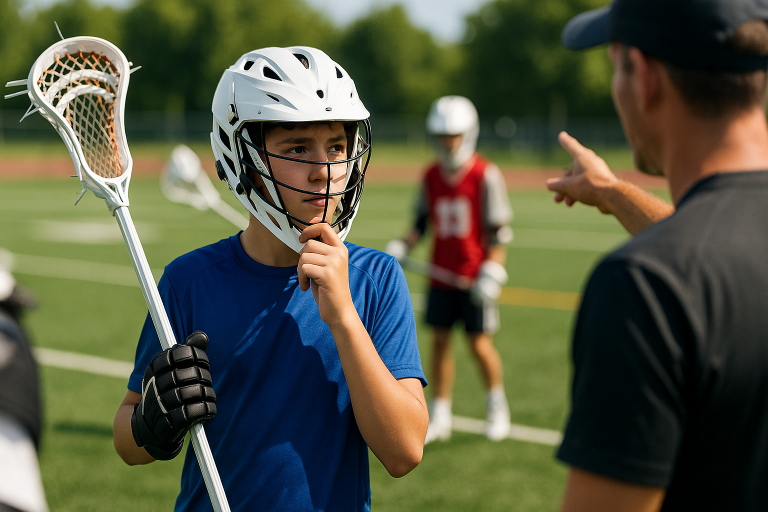
Being a sports parent is one of the most rewarding yet challenging roles you can take on. You get to watch your child develop their athletic skills, form friendships, and learn important life lessons through sports. However, it’s not just about cheering them on from the stands; as a parent, your behavior and attitude on the sidelines play a crucial role in shaping their experience. Sideline etiquette is essential for creating a positive environment that benefits not only your child but their teammates, the coaches, and other parents as well.
One of the key aspects of sideline etiquette is understanding how your actions influence the game. It’s easy to get caught up in the excitement of the match, but it’s important to remember that sports should remain fun and educational, particularly for young athletes. Coaches are responsible for guiding the team, and players should feel supported by their families and teammates. As a parent, your role is to be a source of encouragement, maintaining respect for everyone involved. This will help your child thrive in a safe, respectful, and enjoyable environment.
By practicing positive sideline etiquette, you contribute to a respectful and supportive atmosphere where all players can learn and grow. From offering constructive support to managing your emotions, good sideline behavior ensures that the game remains focused on teamwork, sportsmanship, and skill development. Whether it’s maintaining composure during a stressful moment or cheering on every player, how you act on the sideline can set the tone for the entire team.
In this blog, we’ll dive into the core principles of sideline etiquette—from how to cheer on your child and the team positively to respecting the coach’s decisions and managing emotions. We’ll also discuss the importance of maintaining a positive sideline atmosphere for your child’s emotional and social development. Let’s take a closer look at how to be a supportive, respectful, and encouraging sports parent.
Understanding the Role of Sideline Etiquette
Sideline etiquette is about more than just following rules—it’s about creating an environment where players feel supported, coaches can do their jobs effectively, and parents can enjoy the game without creating unnecessary distractions. Poor sideline behavior can disrupt the game, cause tension between parents, and ultimately affect the performance of young athletes.
For parents, practicing good sideline etiquette means understanding your role in the broader context of the game. While it’s natural to feel passionate about your child’s performance, it’s crucial to remember that the focus should always be on the players, not on individual performance or outside distractions. By practicing good sideline etiquette, you create an environment that encourages positive reinforcement and respect for everyone involved in the game.
One of the main aspects of sideline etiquette is knowing when to speak and when to remain quiet. Coaches are there to guide the team, and players need the freedom to focus on their performance. Parents should refrain from giving unsolicited advice or directing their child during play. This ensures that the coach’s instructions are the primary source of guidance, and players can focus on executing the game plan without confusion.
Cheering in a Positive and Encouraging Manner
A huge part of being a supportive parent during a game is how you cheer for your child and the team. The energy you bring to the sideline can have a significant impact on the morale of the players. It’s important to remember that positive encouragement is far more beneficial than negative criticism or overbearing commentary.
In this section of sideline etiquette, we’ll discuss how to cheer in a positive and encouraging manner:
Be Loud but Respectful
It’s natural to feel excited and want to show enthusiasm for your child’s performance. However, it’s essential to maintain a balance between cheering loudly and respecting the game’s flow. Shouting excessive instructions or criticism from the sideline can distract players and coaches. The best sideline etiquette is to encourage your child with words of praise like “Great job!” or “Keep it up!” rather than yelling instructions or making negative comments.
Focus on Team Support
While cheering for your own child is natural, it’s equally important to encourage all players on the team. Positive reinforcement for every player helps build camaraderie and a sense of teamwork. Showing support for others, such as applauding a good pass or tackle from another player, fosters a positive environment where everyone feels valued. This is a key aspect of sideline etiquette, as it creates an inclusive atmosphere that benefits the entire team.
Avoid Negative Comments
One of the most damaging things a parent can do on the sideline is to criticize their child or others during the game. Negative comments about a player’s performance can impact their self-esteem and hinder their development. Instead of criticizing, focus on positive feedback. If your child makes a mistake, gently remind them of what they can improve, but always reinforce their strengths as well. This creates an environment of encouragement rather than criticism, which is at the heart of good sideline etiquette.
Respecting the Coach’s Authority
The coach’s role is to guide and lead the team, so one of the most important aspects of sideline etiquette is respecting the coach’s authority. Parents should avoid undermining the coach or second-guessing their decisions during the game. While it’s tempting to offer advice or give your child specific instructions, it’s important to remember that the coach is the one with the strategy and knowledge of what’s best for the team.
Trust the Coach’s Expertise
The coach is the primary source of direction for the players. As a parent, your role is to support the coach’s decisions, even if you don’t agree with them. It’s important to trust that the coach has a plan and is working toward the success of the team. When you practice good sideline etiquette, you set an example for your child by showing them how to respect authority figures in sports and in life.
Avoid Interfering with Coaching
During the game, it’s crucial to avoid giving your child instructions or directions while the coach is actively coaching. This can cause confusion for the player and disrupt the coach’s strategy. Instead of offering unsolicited advice, save your thoughts for after the game. Post-game is a great time to talk with your child about what went well and what could be improved, but during the game, the focus should be entirely on the coach’s direction and the team’s performance.
Support the Coach’s Decisions
Even if you disagree with a decision made by the coach, it’s important to support their leadership in front of your child. Disputing the coach’s decisions on the sideline or in front of your child can create tension and make the player feel torn between their parent and coach. This kind of behavior can also undermine the coach’s authority, which can impact team morale and performance. Instead, practice good sideline etiquette by speaking with the coach privately after the game if you have any concerns.
Managing Emotions and Staying Calm
In the heat of the moment, it’s easy to let your emotions get the best of you. However, maintaining composure and staying calm is one of the most important elements of sideline etiquette. Youth sports are about fun, learning, and development, not just winning or losing. While it’s natural to feel invested in your child’s success, it’s essential to remember that how you behave on the sideline impacts your child’s experience.
Stay Calm During Ups and Downs
Sports can be unpredictable, and there will be moments of both triumph and disappointment. During a game, there may be times when your child makes an incredible play or when they miss an important shot. It’s essential to keep your emotions in check, regardless of the outcome. Whether the team wins or loses, show your child that sports are about learning and growth, not just the final score. Your ability to manage your emotions and maintain a positive attitude is a key aspect of sideline etiquette.
Avoid Arguments with Other Parents
At times, tension can arise between parents on the sidelines, particularly when it comes to game officiating or the coaching decisions. However, it’s crucial to avoid getting into arguments or confrontations with other parents. These conflicts not only create a negative environment for the players but also set a poor example for your child. Embrace sideline etiquette by being calm and respectful toward other parents, coaches, and officials. The goal is to create a supportive and positive atmosphere for all involved.
Focus on Positive Support
Ultimately, sideline etiquette is all about supporting your child and the team in a positive, respectful manner. Even when things don’t go as planned, it’s important to focus on the positives. Remind your child that mistakes are part of the game, and they should always learn from them. By practicing positive sideline behavior, you’ll help create a safe and encouraging space for your child and the team.
Final Thoughts on Sideline Etiquette
Being a supportive parent at your child’s sports game goes far beyond cheering them on. Practicing good sideline etiquette involves creating a positive, respectful environment where players can thrive, coaches can lead effectively, and parents can enjoy the game. By following the tips outlined in this blog post, you’ll contribute to a more enjoyable experience for your child, their teammates, and everyone involved.
Remember that sports are about more than just competition—they’re about teamwork, growth, and developing skills that will last a lifetime. By practicing good sideline etiquette, you’ll ensure that your child has the support they need to succeed, both on and off the field. So, as you cheer them on from the sidelines, keep these sideline etiquette tips in mind, and watch as your child flourishes in a positive, supportive environment.
STXZ private lessons
Find a lacrosse coach near you
Private lessons with independent coaches, booked and paid through STXZ.
- 01Share your goalsYour player’s age, level, goals and the days that work for your family.
- 02Get matchedWe match you with an independent, background-checked coach near you.
- 03Start lessonsMeet at a field close to home, with you or another adult you choose there for every lesson.