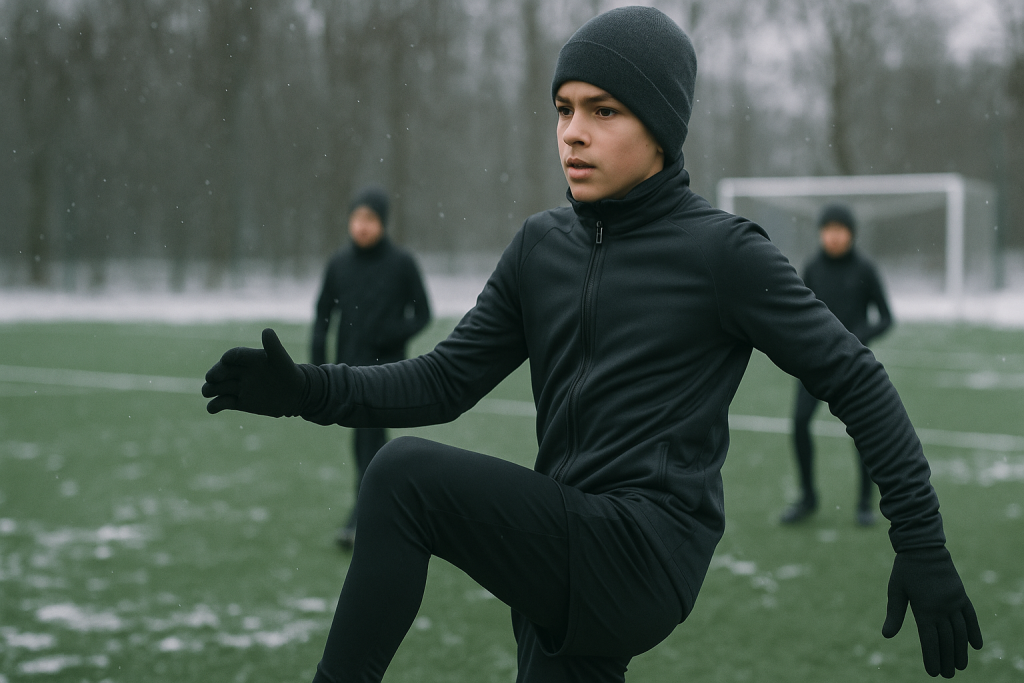
As the cold weather settles in, athletes and their coaches face a unique challenge: how to keep players warm while maintaining their agility and performance on the field. Whether you’re braving chilly mornings for practice or competing in colder climates, the key to success lies in balancing warmth and freedom of movement. Finding the right cold weather gear is essential to ensuring players can focus on the game without being hindered by bulky, restrictive clothing.
In this blog post, we’ll explore how to select the best cold weather gear for players, with an emphasis on optimizing warmth without sacrificing mobility. We’ll cover the importance of layering, the role of materials, and the latest innovations in cold weather technology. Let’s dive in and discover how to keep players warm and agile, even when the temperature drops.
The Importance of Layering: A Smart Approach to Cold Weather Gear
Layering is one of the most effective strategies for keeping warm in cold weather, and it’s no different when it comes to athletes. The goal of layering is to trap heat, wick away moisture, and allow flexibility for movement. Layering properly helps regulate body temperature, preventing overheating or excessive cooling, which can lead to discomfort or injury.
The foundation of any cold weather gear strategy is the base layer. This is the layer closest to the skin and plays a crucial role in moisture management. Players should choose base layers made of moisture-wicking materials like merino wool or synthetic fabrics. These materials pull sweat away from the skin and keep the player dry, which is essential for maintaining warmth and comfort throughout the game or practice.
The middle layer is designed to provide insulation. Fleece jackets or insulated vests are great options for this layer, as they offer warmth without adding too much bulk. The middle layer should allow for easy movement and flexibility, ensuring that players can perform at their best, even in the coldest conditions.
Finally, the outer layer serves as protection from the wind, rain, and snow. Jackets made from water-resistant or waterproof materials like Gore-Tex are ideal for this purpose. A well-constructed outer layer will shield the player from the elements while allowing for ventilation to prevent overheating.
By understanding the importance of each layer and how to choose the right materials, players can customize their cold weather gear to suit their needs. Proper layering is the foundation of staying warm while maintaining mobility.
Choosing the Right Fabrics for Cold Weather Gear
The choice of fabric plays a significant role in determining the effectiveness of cold weather gear. Athletes need to consider factors like insulation, breathability, and flexibility when selecting the right fabrics for their gear.
One of the most popular fabrics for cold weather gear is merino wool. This natural fiber is not only soft and comfortable but also has excellent moisture-wicking properties. Merino wool is breathable, which means it keeps players warm without causing them to overheat. It also helps regulate body temperature, ensuring that the player remains comfortable throughout intense physical activity. Additionally, merino wool is odor-resistant, making it a great choice for multi-day events or extended practices.
Synthetic fabrics, like polyester and nylon, are also commonly used in cold weather gear. These materials are lightweight, durable, and often more affordable than merino wool. Many synthetic fabrics are designed to wick moisture away from the body, which helps prevent the player from feeling damp or cold. Moreover, these materials dry quickly, which is crucial when you’re playing in wet or snowy conditions.
Another excellent fabric option is down insulation. Down is highly effective at trapping warmth and providing lightweight insulation, making it ideal for jackets and vests. However, it’s important to note that down can lose its insulating properties when it gets wet, so look for cold weather gear with water-resistant or waterproof features to keep the down dry.
In addition to selecting the right fabrics for warmth and moisture management, it’s essential to focus on flexibility. Fabrics with a bit of stretch, such as spandex or elastane blends, are perfect for ensuring that players can move freely and comfortably. These materials allow for a full range of motion, which is crucial for athletes who need to perform quick movements, such as sprinting, pivoting, or making sharp turns.
Cold Weather Gear and Mobility: Finding the Balance
When it comes to cold weather gear, maintaining mobility is just as important as staying warm. In fact, there’s nothing worse than feeling restricted by bulky layers or heavy clothing that inhibits movement. For athletes, the ability to move swiftly and fluidly is essential, and finding cold weather gear that balances warmth and mobility is key.
One way to maintain mobility while staying warm is by focusing on the fit of the gear. Cold weather gear that is too loose can cause excess fabric to bunch up, while gear that is too tight can restrict movement and cause discomfort. A snug yet flexible fit is ideal for maintaining both warmth and mobility. Look for items like athletic-cut jackets or pants that are designed to move with the body.
Another option to maintain agility is opting for gear with strategic ventilation. Many modern cold weather jackets and pants feature ventilation zones or breathable panels that allow for airflow while still providing insulation. These features help regulate body temperature without compromising on warmth or comfort. The added breathability ensures that players can maintain optimal performance without overheating or getting too cold.
Layering can also help achieve a balance between warmth and mobility. By selecting the right base layers, middle layers, and outer layers, athletes can adjust their cold weather gear based on the conditions. For example, during intense physical activity, players may prefer to remove a layer to avoid overheating. Conversely, during a break in the action, adding an extra layer can help maintain warmth without sacrificing mobility.
Cold Weather Accessories: Don’t Forget the Details
While the right clothing is crucial for staying warm, cold weather accessories can make a significant difference in comfort and performance. Items like hats, gloves, and scarves are essential for keeping extremities warm, which helps regulate overall body temperature. But when choosing cold weather accessories, it’s important to keep mobility in mind.
For example, hats and headbands should be made of breathable materials that trap heat without causing excessive sweating. Wool or fleece hats are great for warmth, but be sure to choose a design that fits snugly without obstructing vision or movement. A headband may be a better option for players who need to keep their hair in place while still protecting their ears from the cold.
Gloves and mittens are another area where mobility can be affected by cold weather gear. Choose gloves that provide warmth but allow for sufficient dexterity. Lightweight, insulated gloves made from materials like fleece or synthetic fibers are ideal for athletes who need to grip equipment or handle a ball. Mittens, on the other hand, are better for keeping hands warm but may restrict fine motor skills. Consider layering a thin, moisture-wicking glove underneath a mitten for extra warmth and dexterity.
When it comes to scarves and neck gaiters, players should opt for materials that trap warmth without being bulky. Fleece or knit fabric scarves are popular choices, but ensure they stay securely in place during play. A snug-fitting neck gaiter can provide protection against the wind and cold without interfering with movement.
Innovations in Cold Weather Gear Technology
The world of cold weather gear is constantly evolving, and new technologies are making it easier for athletes to stay warm without sacrificing performance. One such innovation is heated cold weather gear, which incorporates battery-powered elements into clothing for additional warmth. Heated jackets, gloves, and insoles are gaining popularity among athletes who need to stay warm in extreme conditions.
Another advancement is the use of advanced insulating materials, such as Thinsulate, PrimaLoft, and Aerogel. These materials are lightweight yet provide excellent warmth, making them ideal for performance-focused cold weather gear. Thinsulate, for example, is known for its ability to trap heat while remaining thin and flexible, ensuring that players retain full mobility on the field.
Additionally, new fabric technologies like moisture-wicking coatings and water-resistant membranes are improving the performance of cold weather gear. These fabrics help players stay dry, even in snowy or wet conditions, by repelling water and quickly wicking away moisture. As a result, athletes can stay comfortable and focused on their game, no matter the weather.
Conclusion
When it comes to playing sports in cold weather, the right cold weather gear is not just a luxury—it’s a necessity for ensuring players can perform at their best. The right gear provides the essential balance between warmth and mobility, which is crucial for athletes who need to remain agile, focused, and comfortable during their games or practices. Cold weather can be challenging, but with thoughtful layering, the right choice of fabrics, and accessories tailored for performance, players can overcome these obstacles and maintain peak performance. Proper cold weather gear empowers athletes to face even the most extreme conditions without being hindered by bulky clothing or discomfort.
As we’ve discussed, layering is essential in creating a system of warmth that also allows for flexibility. From base layers that wick moisture to outer layers that protect against the wind and rain, each piece of clothing serves a specific purpose in helping athletes maintain their optimal temperature. With advancements in fabric technology, there are now more options than ever before, such as moisture-wicking materials and high-performance insulation, that can help athletes stay comfortable throughout their activities. Moreover, choosing the right fit, which is snug yet flexible, ensures that players don’t have to compromise on movement for warmth. Every athlete can tailor their cold weather gear to meet their personal preferences and needs.
The final consideration when choosing cold weather gear lies in the innovative technologies available today. Heated gear, advanced insulation materials, and moisture-repelling fabrics have revolutionized how athletes approach cold-weather sports. These advancements are not only designed to keep athletes warm but also to ensure that their performance is never compromised. As the sports gear industry continues to evolve, the future promises even more refined products that enhance comfort, mobility, and performance in cold conditions. With the right cold weather gear, players can confidently take on the elements and stay focused on what matters most—the game.
STXZ private lessons
Find a lacrosse coach near you
Private lessons with independent coaches, booked and paid through STXZ.
- 01Share your goalsYour player’s age, level, goals and the days that work for your family.
- 02Get matchedWe match you with an independent, background-checked coach near you.
- 03Start lessonsMeet at a field close to home, with you or another adult you choose there for every lesson.