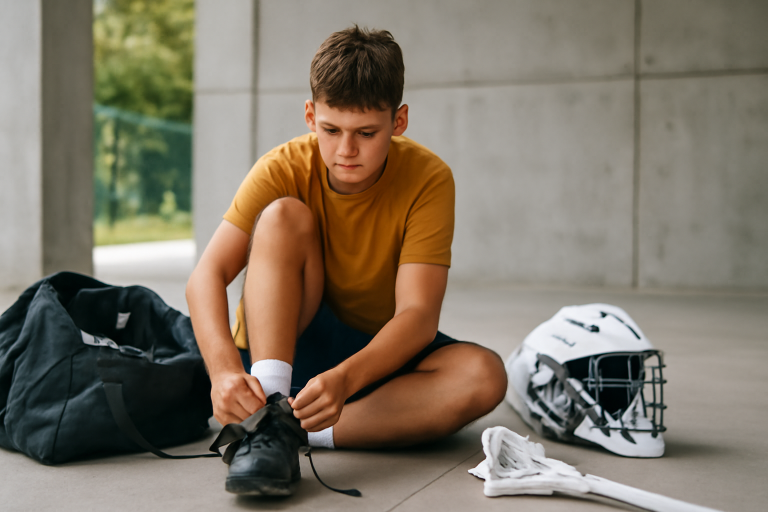
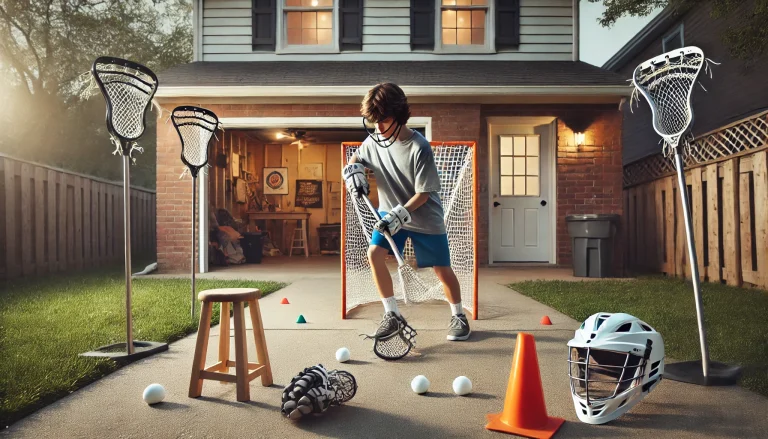
Lacrosse is a fast-paced and exciting sport, and one of the key skills required to succeed is mastering stick skills training. Whether your child is new to the sport or has been playing for a while, honing their stick-handling abilities will be essential for their development. By practicing stick skills training at home, you can provide your child with the tools they need to perform well on the field, without needing a large space or extensive equipment.
Developing strong stick skills is not just about handling the ball but also involves improving hand-eye coordination, footwork, passing, and shooting. The better your child’s stick skills training, the more confidence they will have when it’s time for a game. This blog will outline some effective drills that can be done at home, providing an easy and fun way for you and your child to work on their lacrosse skills.
In this guide, you’ll find a range of stick skills training drills that focus on ball control, cradling, passing, catching, and shooting. These drills can be done in the comfort of your home or in your backyard with minimal equipment. Incorporating stick skills training into your child’s routine will help them become a more confident and well-rounded player, whether they are a beginner or an advanced athlete.
The Importance of Stick Skills Training
Stick skills training is at the core of lacrosse. It is the foundation upon which all other skills are built. A player with excellent stick skills can handle the ball with confidence, make precise passes, and create scoring opportunities. No matter the position, a player’s ability to control their stick directly impacts their performance on the field.
Having good stick handling not only improves a player’s individual performance but also contributes to overall team success. A player with great stick skills is able to evade defenders, make crucial passes, and create space for their teammates. Stick skills training is about more than just ball control—it’s about developing the agility, reaction time, and vision needed to succeed in lacrosse. It helps players stay calm under pressure, improve their decision-making, and enhance their on-field communication.
Consistent stick skills training at home ensures that your child is always improving. The more they practice their basic skills, the more natural these movements become. When your child becomes comfortable with their stick, they can focus on other aspects of the game, such as strategy and positioning, instead of worrying about basic handling. By making stick skills training a regular part of their routine, you set them up for greater success in the future.
Cradling: The Cornerstone of Stick Skills Training
Cradling is one of the most fundamental aspects of stick skills training. It is the motion used to keep the ball in the stick while running, dodging, or changing direction. Cradling is crucial for maintaining possession of the ball and ensuring it doesn’t fall out during high-speed plays.
Cradling Drill
The cradling drill is a great starting point for any stick skills training routine. To practice cradling, your child should stand with their feet shoulder-width apart, holding their stick in front of them. Begin cradling with one hand, focusing on smooth, circular motions. Once they are comfortable with one hand, switch to cradling with the other hand.
Key Tips for Cradling Drill:
- Start cradling while standing still to develop control.
- Gradually add movement by walking, jogging, or running while cradling.
- Encourage your child to use both hands to cradle, which improves ambidextrous abilities.
This drill can be done at home or in a small space, and it helps improve both ball control and hand-eye coordination, making it one of the best stick skills training drills.
Passing: Improving Accuracy and Speed
Passing is another key component of stick skills training. Accurate passing allows players to move the ball efficiently and set up teammates for scoring opportunities. Whether it’s a quick pass or a long-distance throw, having strong passing skills is essential for any lacrosse player.
Wall Ball Drill
The wall ball drill is an excellent way to improve passing accuracy and quick reflexes. To practice wall ball, your child can stand 10–15 feet away from a wall, throwing the ball against it and catching the rebound. This helps your child develop hand-eye coordination, speed, and the ability to adjust to unpredictable bounces.
Key Tips for Wall Ball Drill:
- Start with short, controlled passes and gradually increase the distance.
- Focus on using both hands for passing to enhance flexibility.
- Encourage your child to maintain good form and follow through on their passes.
Incorporating this stick skills training drill into your routine will help improve your child’s passing accuracy and timing. Wall ball can also be done individually, making it a great at-home drill for players of all skill levels.
Catching: The Essential Skill for Receiving Passes
Catching is a skill that can make or break a play in lacrosse. A dropped pass can result in a turnover, but a clean catch can maintain possession and set up a successful offensive play. The key to catching is hand-eye coordination and confidence, both of which can be improved through dedicated stick skills training.
One-Handed Catch Drill
Practicing one-handed catching helps your child develop grip strength and coordination, as well as improve their ability to catch in tight situations. Start by tossing the ball lightly to your child and encourage them to catch it with one hand. After your child becomes comfortable, you can increase the difficulty by varying the angle and speed of the throws.
Key Tips for One-Handed Catch Drill:
- Start with underhand throws before progressing to overhand.
- Focus on the importance of cradling the ball in the pocket and not squeezing too hard.
- Use both hands in practice to develop ambidextrous catching skills.
The one-handed catch drill is a fun and engaging way to improve catching skills and is a crucial part of stick skills training that can be practiced at home.
Shooting: Refining Accuracy and Power
Shooting is the culmination of stick skills training. Once your child has mastered the basics of cradling, passing, and catching, it’s time to focus on shooting. Developing shooting accuracy and power is essential for scoring goals and creating offensive opportunities.
Quick Release Shot Drill
In lacrosse, a quick release can mean the difference between a goal and a save. Practicing fast shooting helps your child develop the ability to shoot accurately under pressure. To practice the quick release shot, have your child stand in front of a net or target and focus on shooting as quickly as possible after receiving the ball.
Key Tips for Quick Release Shot Drill:
- Encourage quick footwork to help with positioning for the shot.
- Focus on shooting from different angles and positions to improve adaptability.
- Practice shooting with both hands to increase flexibility and power.
The quick release shot drill is one of the most effective stick skills training exercises for improving shooting ability. It teaches your child to react quickly and decisively, which is crucial in game situations.
The Importance of Consistency in Stick Skills Training
One of the most overlooked yet crucial elements of stick skills training is consistency. Like any sport, success in lacrosse requires regular practice and repetition. The more often your child practices, the more their stick skills will improve. But consistency isn’t just about practicing often—it’s about practicing the right way and with intention.
Why Consistency Matters
When it comes to stick skills training, building muscle memory is key. The more your child practices the fundamental movements of cradling, passing, and shooting, the more their body will naturally execute these movements with precision and confidence. Even if it’s just a few minutes each day, consistent practice helps create better habits and accelerates the learning process.
Inconsistent practice, on the other hand, can hinder your child’s progress. Missing training sessions or practicing sporadically may slow down their development, as their body will have to “relearn” the movements each time they pick up their stick.
Setting a Routine
To help your child make the most of stick skills training, it’s important to establish a regular practice routine. Designate specific times during the week for training sessions, whether it’s after school, during the weekends, or even during breaks. A consistent schedule ensures that stick skills training becomes a natural part of your child’s lifestyle, rather than a task that feels like a chore.
Make sure to balance the intensity of the drills, as doing the same exercise repetitively without challenge can lead to frustration or boredom. Mixing up the drills with new exercises or increasing the complexity can keep your child engaged while continuing to build their skills.
Celebrating Small Wins
As your child progresses, celebrating small achievements within their stick skills training routine will keep them motivated. Whether it’s successfully completing a challenging passing drill or consistently improving their shooting accuracy, recognizing these wins boosts confidence and reinforces the importance of consistency. It’s important for your child to understand that becoming proficient at lacrosse doesn’t happen overnight—it requires time, effort, and persistence.
Final Thoughts on Stick Skills Training
Stick skills training is the foundation of every lacrosse player’s development. Whether your child is just beginning or is looking to refine their abilities, consistent practice will help them improve. The drills outlined in this blog, from cradling to shooting, can be done at home with minimal equipment, making them perfect for busy schedules.
Incorporating stick skills training into your child’s regular routine will lead to significant improvements in their game. The more they practice, the more natural these skills will become, and the more confident they’ll feel when they hit the field. Remember, lacrosse is about more than just physical skill—it’s about building mental toughness and confidence as well. By focusing on stick skills training, you’re providing your child with the tools they need to succeed both on and off the field.
STXZ private lessons
Find a lacrosse coach near you
Private lessons with independent coaches, booked and paid through STXZ.
- 01Share your goalsYour player’s age, level, goals and the days that work for your family.
- 02Get matchedWe match you with an independent, background-checked coach near you.
- 03Start lessonsMeet at a field close to home, with you or another adult you choose there for every lesson.