As the lacrosse season approaches, one of the most important steps for parents and coaches is ensuring that young players are fully prepared for tryouts. A comprehensive preseason checklist is essential to set up your child for success. Preparation goes far beyond simply showing up on the day of tryouts—it involves training, mental readiness, equipment checks, and a focus on overall wellness.
The preseason period offers a valuable opportunity for players to fine-tune their skills, develop their fitness, and build their confidence. But with so many areas to address, it can often feel overwhelming. This is where a solid preseason checklist comes in. By following a structured and methodical approach, you can ensure your child is not only physically prepared but mentally ready for the challenges that come with competitive tryouts.
Every player’s needs and strengths are different, but having a list of essential tasks to complete will streamline the process. A preseason checklist ensures no stone is left unturned, from the physical to the mental aspects of preparation. It helps both players and parents feel more confident when it’s time to hit the field for tryouts, knowing they’ve taken the right steps in advance.
Physical Conditioning and Fitness Preparation
The cornerstone of any successful preseason checklist is physical conditioning. Lacrosse is a demanding sport that requires a combination of speed, strength, endurance, and agility. The preseason period is the ideal time to build up your child’s fitness level so they can perform at their best during tryouts.
Start with a general fitness regimen that includes aerobic exercises to build stamina, strength training to improve power, and agility drills to enhance movement on the field. One area to focus on is cardiovascular fitness. Lacrosse players need to be able to run up and down the field without losing energy, so activities like running, cycling, or swimming can build a solid endurance base. These types of exercises should be a staple of your child’s fitness routine.
Strength training should also be included to help players with their performance, especially when it comes to battling for possession of the ball. Consider adding exercises such as squats, lunges, and push-ups, which target muscles used in running, dodging, and maintaining defensive stances. These exercises will not only improve overall strength but also reduce the risk of injury during tryouts or throughout the season.
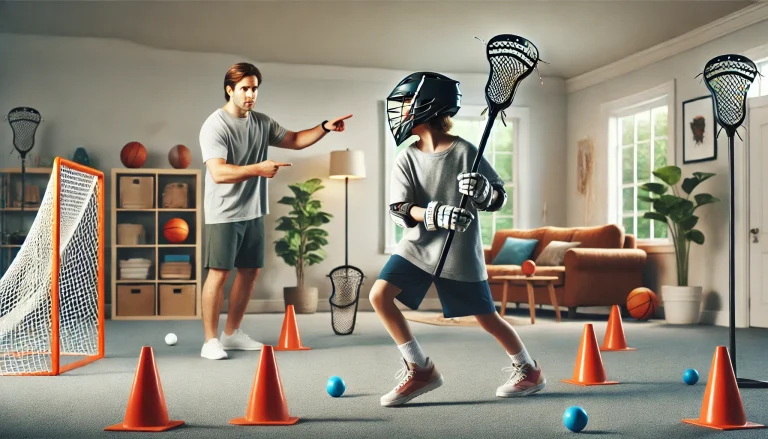
Agility is another important aspect of lacrosse. Quick reflexes, fast direction changes, and rapid acceleration are all vital skills for both offensive and defensive players. Incorporate ladder drills, cone drills, and shuttle runs to help improve foot speed and coordination. This will help your child stay ahead of the competition and give them a boost during tryouts.
A preseason checklist for physical conditioning should ensure that your child is improving these vital areas of fitness so they can perform confidently during tryouts. Without this preparation, it will be hard to showcase the full extent of their skills, no matter how talented they may be.
Skill Development: Focus on Key Lacrosse Techniques
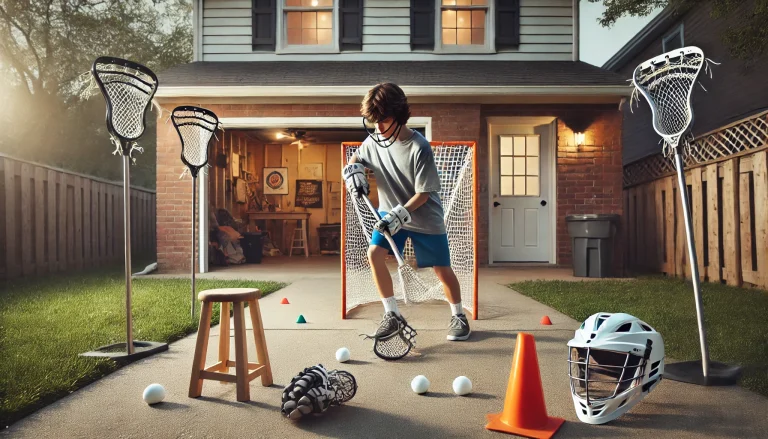
A well-rounded preseason checklist must include a focus on developing lacrosse-specific skills. Every player, regardless of position, needs to build proficiency in certain areas like stick handling, passing, shooting, and defense. Before heading to tryouts, it’s important to dedicate time to refining these fundamental skills.
Start with stick skills. Ball control is essential for every player, whether they’re an attacker, midfielder, or defender. Practice passing and catching with both hands to ensure your child is comfortable switching directions and can effectively move the ball under pressure. Stickhandling drills are an excellent way to develop touch and control, helping to prevent turnovers during high-pressure moments.
Shooting is another key area of focus. A player who can shoot with precision and power will stand out at tryouts. Incorporate shooting drills that focus on accuracy, quick release, and different types of shots, such as low to high, quick stick, or bounce shots. Practicing shooting in different situations (on the run, in tight spaces, or with a defender on them) will help your child become more versatile in their offensive game.
Defense also requires specific skill development. In addition to stick skills, defensive players need to focus on positioning, footwork, and checking techniques. Drills that simulate real-game scenarios, like one-on-one defense or closing out on shooters, are excellent ways to improve these critical skills. Your child should also work on their ability to read the opponent’s moves and stay in front of them to force turnovers or prevent shots on goal.
A strong preseason checklist for skill development will ensure that your child is ready to showcase their abilities in every aspect of the game during tryouts. No matter what position they’re trying out for, these fundamental skills are key to impressing the coaching staff.
Mental Preparation and Focus
A successful preseason checklist isn’t just about physical readiness—it’s also about mental preparation. The pressure of tryouts can be overwhelming for young players, so it’s important to help them develop the mental toughness needed to perform at their best.
Start by having open conversations with your child about the upcoming tryouts. Encourage a growth mindset, where the focus is on learning, improving, and enjoying the game rather than on winning or making the team. Help them understand that mistakes are part of the process and that each experience is an opportunity to grow. Building confidence and fostering resilience is key during this stage of preparation.
Visualization exercises can be an effective way to mentally prepare for tryouts. Have your child take a few minutes each day to visualize themselves on the field, executing successful plays, working with their teammates, and staying calm under pressure. This mental practice can help improve focus, reduce anxiety, and enhance overall performance.
In addition, it’s important to remind your child to stay positive and maintain a balanced attitude. Encourage them to embrace the challenges of tryouts and view them as an opportunity to showcase their abilities. A positive mindset will not only boost their confidence but also help them navigate the competitive nature of tryouts with grace.
Including mental preparation in your preseason checklist will help ensure your child is focused and ready to perform at their best when tryouts arrive. It’s often the mental side of the game that makes the biggest difference in high-pressure situations.
Equipment and Gear Check
No preseason checklist would be complete without a gear and equipment check. Ensuring your child has the right equipment is crucial to their performance and safety. Take the time before tryouts to thoroughly inspect their gear and replace anything that’s worn out or no longer fits properly.
The most important piece of equipment is the lacrosse stick. Make sure the stick is in good condition and that the mesh is tightly strung. A poorly strung stick can affect performance, so it’s worth taking the time to make sure everything is in top shape. Additionally, confirm that your child has the appropriate shaft for their position, as some players might prefer a lighter, faster stick, while others may benefit from a heavier, more durable one.
Lacrosse pads and protective gear are also critical for safety. Ensure that the shoulder pads, elbow pads, gloves, and mouthguard are all properly fitted and in good condition. Protective gear should allow for maximum mobility while offering adequate protection against impacts. Don’t forget to check the helmet for proper fit and safety certification as well. A helmet that doesn’t fit correctly can be a safety hazard, so it’s vital to make sure it’s snug and secure.
For players involved in face-offs or goalie positions, specific equipment like face-off heads or goalie pads may need additional attention. If your child is switching positions or trying out for a new one, double-check that they have all the required gear. This gear inspection should be an essential part of your preseason checklist, ensuring your child is ready to hit the field without any concerns about their equipment.
Nutrition and Hydration for Optimal Performance
Proper nutrition and hydration are essential components of any preseason checklist. What your child eats and drinks can significantly affect their performance during tryouts. Help them establish healthy eating habits that promote energy, stamina, and recovery.
Encourage your child to eat balanced meals that include a combination of lean proteins, healthy fats, and complex carbohydrates. Foods like chicken, fish, whole grains, and fruits and vegetables will provide the nutrients they need to fuel their bodies. Avoiding sugary snacks and processed foods will help maintain stable energy levels and prevent crashes during tryouts.
Hydration is just as important. Dehydration can lead to fatigue, decreased focus, and muscle cramps. Make sure your child is drinking plenty of water throughout the day, especially in the days leading up to tryouts. A good rule of thumb is to drink water consistently throughout the day, rather than trying to drink a large amount at once. If tryouts are held in hot weather, consider electrolyte-replenishing drinks to help maintain optimal hydration.
In addition to regular meals and snacks, be sure to include a pre-tryout meal in your preseason checklist. This meal should consist of easy-to-digest, nutrient-rich foods that provide energy without weighing your child down. Avoid heavy or greasy foods, as they might cause discomfort during physical activity and impact their performance at tryouts.
Rest and Recovery
Finally, don’t underestimate the importance of rest and recovery in your preseason checklist. As tryouts approach, it’s crucial to allow your child’s body to recover from any intense training. Overtraining can lead to burnout or injury, so balance practice sessions with sufficient downtime.
Ensure that your child is getting enough sleep each night, ideally around 8 to 10 hours, as sleep is crucial for muscle recovery and mental focus. Rest days should be incorporated into their training schedule to allow for physical recovery. On these rest days, focus on light activities such as stretching or yoga to improve flexibility and reduce muscle stiffness.
Recovery is also an essential part of your preseason checklist, including managing any minor aches or pains that may arise during training. Techniques like foam rolling, ice baths, or massage can help alleviate muscle tension and improve circulation. Ensuring your child takes care of their body is crucial so they can perform at their best during tryouts, as outlined in the preseason checklist.
Conclusion: Preseason Checklist
Getting your young player ready for tryouts requires thorough preparation across multiple areas. With a complete preseason checklist, you’ll ensure they’re physically conditioned, mentally prepared, and properly equipped. By focusing on skill development, mental readiness, fitness, and rest, you’ll set your child up for a successful tryout experience.
Remember, tryouts are just the beginning of the season, and every athlete is on their own unique journey. Whether they make the team or not, the key is to focus on growth, resilience, and passion for the game. By following this preseason checklist, you’re not only helping them perform well at tryouts but also fostering the mindset that will help them succeed in lacrosse and beyond.
STXZ private lessons
Find a lacrosse coach near you
Private lessons with independent coaches, booked and paid through STXZ.
- 01Share your goalsYour player’s age, level, goals and the days that work for your family.
- 02Get matchedWe match you with an independent, background-checked coach near you.
- 03Start lessonsMeet at a field close to home, with you or another adult you choose there for every lesson.