When it comes to youth sports, ensuring your child has the proper protective gear is paramount. Whether they’re playing lacrosse, soccer, football, or any other sport, the right equipment can significantly reduce the risk of injury and ensure that they perform at their best. In this protective gear guide, we’ll help you navigate the process of selecting the ideal gear for your young athlete, whether they’re a beginner or an advanced player.
As children grow and develop their athletic skills, having the right protective gear becomes essential. From helmets to pads, gloves to footwear, each piece plays a crucial role in keeping your child safe during their games. However, with so many options available, choosing the right equipment can be overwhelming. This protective gear guide is designed to simplify that process, offering clear insights into what to look for in quality gear.
The goal of this guide is to help you understand which protective gear is necessary, what to look for in each type of equipment, and how to ensure that your child is properly protected. With the right gear, your child can focus on playing and improving their skills, knowing that they’re fully protected. Let’s dive into the most important elements of protective gear, starting with the most essential equipment.
The Importance of Protective Gear in Youth Sports
Safety is a top priority when it comes to youth sports, and this protective gear guide emphasizes the importance of proper protection to prevent injuries. Whether your child is playing lacrosse or another sport, the risks of injury—such as concussions, sprains, and fractures—are ever-present. Wearing the right protective gear minimizes these risks, allowing your child to focus on improving their skills without worrying about their safety.
In contact sports, such as lacrosse, the need for protective gear is even more critical. Players are constantly moving at high speeds and making contact with opponents, whether through tackles, passes, or dodges. Without the appropriate gear, a single hit or fall could lead to a serious injury. The protective gear guide highlights key equipment that ensures young athletes are properly safeguarded, allowing them to play with confidence.
The right gear not only helps protect against injuries but also boosts a player’s confidence and comfort on the field. When kids know they’re well-protected, they feel more secure and are less likely to hesitate during important moments in the game. This protective gear guide is here to provide you with the tools needed to ensure your child’s safety while playing sports.
Helmets: A Critical Piece of Protective Gear
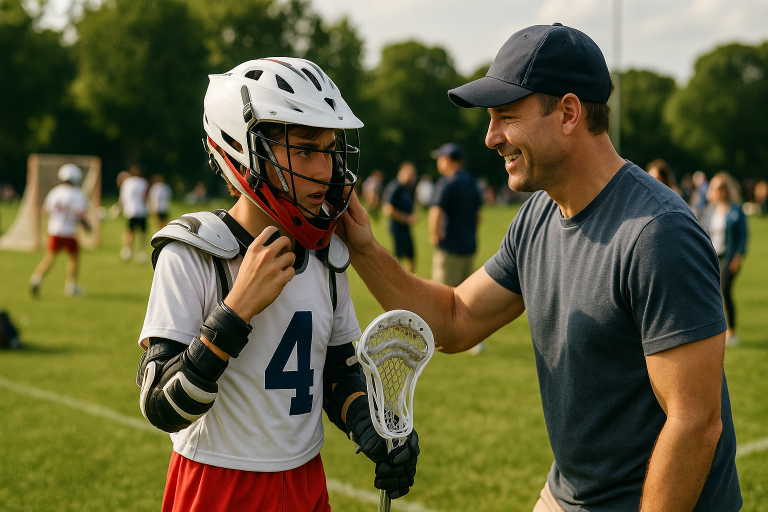
When it comes to protective gear, helmets are by far the most important piece of equipment for young athletes, particularly in sports like lacrosse. A properly fitted helmet provides crucial protection for the head, reducing the risk of concussions and skull fractures from impacts or falls. In this protective gear guide, we’ll break down the key factors to consider when choosing a helmet for your child.
The first thing to consider when selecting a helmet is the fit. The helmet should fit snugly around your child’s head, without being too tight or too loose. If the helmet is too large, it will not offer the necessary protection during an impact. If it’s too small, it will cause discomfort and could lead to poor performance. A secure, comfortable fit is crucial to ensure the helmet is effective.
Another important aspect of the helmet is the certification. A good helmet will be certified by regulatory bodies, such as the National Operating Committee on Standards for Athletic Equipment (NOCSAE). These certifications ensure the helmet meets safety standards and will protect your child during play. This protective gear guide stresses the importance of choosing certified helmets to guarantee top-notch protection.
Additionally, make sure the helmet comes with a face mask for sports like lacrosse, where players are at risk of being struck in the face with sticks or balls. The face mask helps shield the face from injury, ensuring the player’s safety while maintaining visibility. A well-chosen helmet is one of the top items in our protective gear guide, as it provides foundational protection for your child’s head.
Pads and Protectors: Safeguarding the Body
Beyond helmets, the other key components of protective gear include shoulder pads, elbow pads, knee pads, and rib protectors. These pads are crucial in safeguarding your child’s body during high-impact activities and contact with opponents.
Shoulder Pads
For sports like lacrosse, shoulder pads are essential. They protect the shoulders, chest, and back from hard hits, while also providing mobility and flexibility. In this protective gear guide, we recommend looking for shoulder pads that are lightweight yet offer sufficient protection for your child’s size and level of play.
Elbow and Knee Pads
Elbow and knee pads offer essential protection for the joints, which are particularly vulnerable during falls or tackles. The best pads will provide full coverage while allowing for free movement. Protective gear like elbow and knee pads should be comfortable and fit properly to ensure they don’t shift during gameplay. This protective gear guide advises parents to choose pads that strike the right balance between protection and mobility.
Rib Protectors
Rib protectors are an additional piece of protective gear that can be crucial for high-contact sports like lacrosse. These protectors shield the ribcage from collisions and falls, helping prevent painful injuries. Rib protectors are often overlooked, but they are a valuable part of the comprehensive protection your child needs.
When selecting body pads, always prioritize comfort, flexibility, and durability. The right pads should offer adequate protection while ensuring your child can move freely. The protective gear guide recommends pads with breathable materials to prevent overheating during long games.
Gloves: Protecting the Hands and Fingers
Gloves are another essential piece of protective gear in lacrosse and many other contact sports. The hands and fingers are highly vulnerable during play, and gloves offer protection while allowing players to maintain grip and flexibility.
When choosing gloves, consider the fit and comfort. Gloves should fit snugly and allow for natural hand movement, ensuring your child can catch, pass, and handle their lacrosse stick with ease. Look for gloves that offer adequate padding in key areas such as the knuckles and back of the hand. The protective gear guide suggests choosing gloves with good ventilation to prevent discomfort from sweat buildup.
In addition to comfort, gloves should also provide grip. High-quality gloves enhance a player’s ability to hold onto their lacrosse stick, reducing the likelihood of fumbles and improving performance. Gloves are a must-have in our protective gear guide, as they protect vulnerable hand areas while maintaining stick control.
Footwear: Stability and Traction
Footwear is a critical part of protective gear in any sport. Proper shoes or cleats provide stability, traction, and support, which are essential for preventing slips, falls, and injuries during quick movements on the field.
When selecting lacrosse shoes or cleats, consider the type of surface your child will be playing on. Cleats designed for grass, turf, or indoor courts offer the necessary grip for stable movement. The protective gear guide recommends cleats that are comfortable, durable, and provide adequate ankle support to reduce the risk of sprains.
Proper footwear not only protects your child’s feet but also improves performance. By investing in quality shoes that are designed for the specific sport and playing surface, you ensure that your child has the best possible grip and support. The right footwear is one of the most important pieces of protective gear for your child.
Maintaining Protective Gear: Tips for Longevity
Choosing the right protective gear is only part of the equation. To ensure your child’s equipment remains effective and safe, regular maintenance is essential. The protective gear guide provides a few tips for maintaining your child’s gear to extend its lifespan and ensure it continues to provide maximum protection.
- Clean regularly: After each game or practice, clean the gear to remove sweat, dirt, and grime. Follow the manufacturer’s instructions for cleaning helmets, pads, and gloves.
- Inspect for damage: Regularly check the gear for any signs of wear, such as cracks in the helmet or tears in the pads. If you notice any damage, it’s time to replace the equipment.
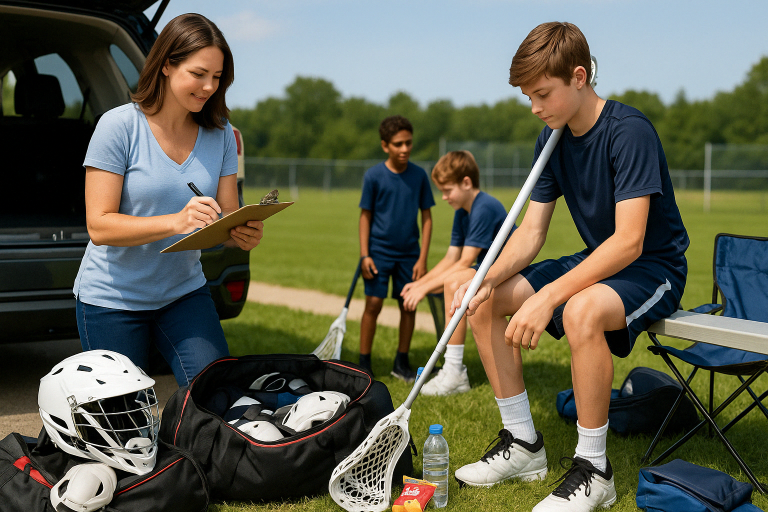
- Store properly: Store gear in a cool, dry place to prevent damage from heat or moisture. Avoid leaving gear in the trunk of your car or in direct sunlight for extended periods.
Proper maintenance is key to ensuring that your child’s protective gear remains effective for the entire season.
Final Thoughts on Choosing the Right Protective Gear
Choosing the right protective gear for your young athlete is an important decision that requires careful consideration. As parents, ensuring that your child is equipped with high-quality, well-fitting gear can be the difference between staying injury-free and facing a season of setbacks. With so many options available, it’s essential to understand what each piece of protective gear offers in terms of safety and performance. By following the protective gear guide outlined in this blog, you can feel confident that you’re making the right choices for your child’s safety and comfort on the field.
Not only does proper protective gear minimize the risk of injury, but it also plays a significant role in boosting your child’s confidence. When kids know that they are properly protected, they are more likely to push themselves and fully engage in the game. This confidence can be crucial for their development as athletes. Moreover, ensuring your child’s gear is up to par doesn’t just benefit their physical safety but also supports their mental and emotional well-being, allowing them to enjoy the sport and focus on honing their skills.
In the end, the right protective gear does more than just protect your child—it enhances their overall experience with sports. It helps them develop into confident, capable athletes who can perform at their best while minimizing the risks of injury. By consistently investing in quality gear and maintaining it throughout the season, you are setting your child up for a successful, enjoyable, and, most importantly, safe athletic journey. This protective gear guide serves as a valuable resource to make sure your child has everything they need to stay protected and thrive in their chosen sport.
STXZ private lessons
Find a lacrosse coach near you
Private lessons with independent coaches, booked and paid through STXZ.
- 01Share your goalsYour player’s age, level, goals and the days that work for your family.
- 02Get matchedWe match you with an independent, background-checked coach near you.
- 03Start lessonsMeet at a field close to home, with you or another adult you choose there for every lesson.