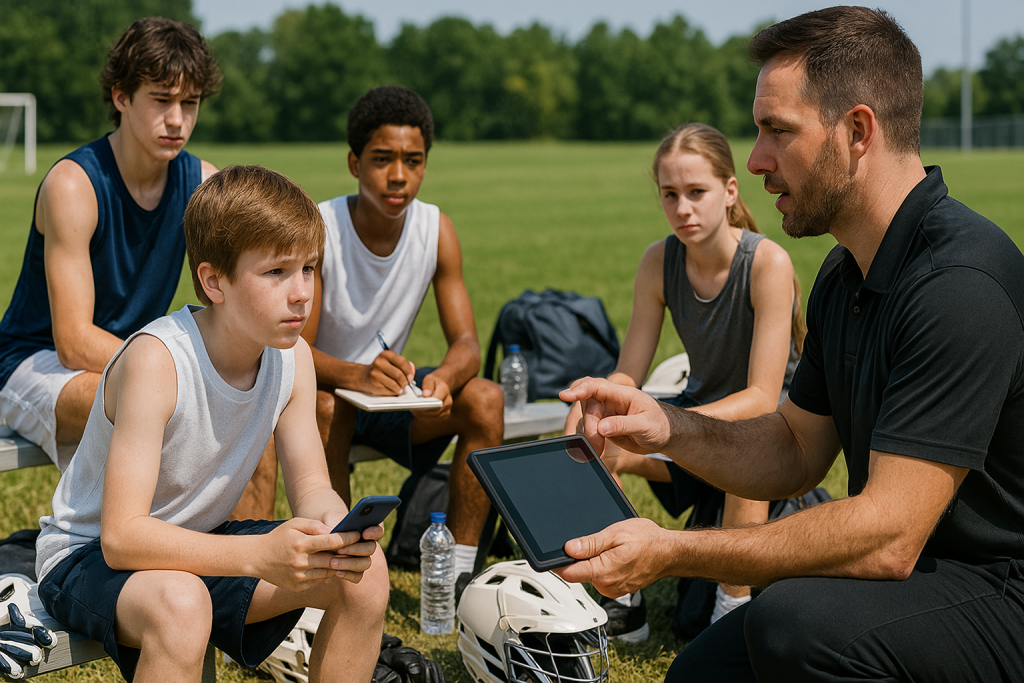
Behind every great lacrosse team is more than just skill and hustle—it’s solid communication. Whether you’re a coach, player, or parent, clear and consistent lacrosse team communication is the foundation for staying organized, minimizing confusion, and creating a successful season. From practice schedules and game-day logistics to updates about weather delays or team expectations, communication is what holds it all together.
Lacrosse is a team sport in every sense. When everyone is informed and aligned, practices run smoother, players show up prepared, and parents know how to support their athlete. But when messages are missed or expectations aren’t clear, it can lead to stress, missed games, or frustration. That’s why having a strong communication plan is just as important as having the right plays.
This guide breaks down how to make lacrosse team communication effective and reliable throughout the season. Whether you’re coaching a rec league or managing a competitive club team, these tips will help your entire team stay on the same page—and perform better on and off the field.
Why Lacrosse Team Communication Matters
Lacrosse team communication affects every part of the team’s success. From the moment players register to the final whistle of the season, the way a team communicates determines how organized, informed, and cohesive everyone feels. It’s the glue that holds coaches, players, and parents together.
Clear communication helps prevent missed practices, last-minute confusion, or players showing up with the wrong gear. When communication is consistent, expectations are understood, and everyone can plan ahead. This builds trust, reduces stress, and creates a more professional and respectful environment.
Lacrosse team communication also sets the tone for team culture. It shows players that accountability and responsibility are part of being an athlete. It keeps parents in the loop so they can plan travel, support team goals, and feel included. And it gives coaches a powerful tool to lead effectively.
Choosing the Right Communication Tools
With so many platforms available today, choosing the right communication tools is essential. Text messages, emails, group chats, and apps all have their pros and cons. The best lacrosse team communication systems combine simplicity, consistency, and accessibility.
Some of the most effective tools include:
- Team communication apps like TeamSnap, BAND, or SportsYou
- Group messaging platforms such as GroupMe or WhatsApp
- Email lists for longer updates or attachments
- Calendar syncing tools to keep schedules clear and up to date
Using multiple platforms can create confusion. Ideally, lacrosse team communication should flow through one or two primary channels so everyone knows where to look. Choose tools that work for your team’s needs and ensure all members are onboard from day one.
Make sure everyone has access, including coaches, players, and parents. Take time at the beginning of the season to set expectations about where and how communication will happen. This upfront clarity prevents breakdowns later on.
Setting Expectations Early
One of the most important parts of strong lacrosse team communication is setting expectations early in the season. Don’t wait until the first game or conflict to talk about how and when the team will communicate. Instead, have a clear kickoff meeting or written guide that outlines the plan.
Key expectations to communicate upfront include:
- Primary communication platform(s)
- How often updates will be sent
- Response time expectations for players and parents
- Who to contact for different types of questions (e.g., scheduling vs. coaching)
- Attendance policies and how to report absences
When everyone understands the process, there’s less room for confusion or missed messages. Consistency creates trust. And trust leads to a more committed, organized team atmosphere.
Coaches should also encourage open dialogue from players. Remind them that communication is a two-way street—they should feel comfortable asking questions, providing updates, or checking in when they’re unsure.
Keeping Schedules and Logistics Clear
There’s nothing more frustrating for a team than unclear scheduling. Practices that are moved last-minute, games that change without warning, or conflicting information can leave players and parents scrambling. That’s why a core focus of lacrosse team communication should be scheduling transparency.
Use a shared calendar or communication app to post:
- Practice times and locations
- Game schedules with arrival times
- Tournament details with travel information
- Team events like meetings or fundraising
Update these calendars as soon as any change is made, and make sure that all communications are sent through the same channel. Sending updates in multiple formats without consistency can lead to players missing important details.
You can also send weekly schedule summaries or reminders. A Sunday night email or app post with the week’s plan keeps everyone focused and minimizes miscommunication.
Involving Parents the Right Way
Parents are a huge part of youth sports, and lacrosse is no exception. When parents feel informed and included, they’re more likely to volunteer, support their child, and contribute to a positive team culture. That’s why strong lacrosse team communication must include parents as well.
Be proactive about keeping parents in the loop. Share schedules, team rules, travel expectations, and fundraising plans early. If the team is using an app, make sure parents are invited and engaged. Assign a team parent or communication coordinator to help manage logistics and take pressure off the coaches.
Set boundaries and clarify the chain of communication. Coaches should explain when and how they prefer to be contacted and which questions should be directed to a team manager or organizer. Respectful, professional communication between parents and coaches makes everything run smoother.
Good communication with parents also helps them support their kids emotionally. When they understand the goals, values, and coaching approach, they’re more likely to reinforce positive habits at home and avoid undermining the team.
Encouraging Player Accountability
As players grow older, they should take more ownership of their communication. Coaches and parents shouldn’t always be the ones reminding athletes about practices or game times. Lacrosse team communication should empower players to stay organized, responsible, and involved.
Encourage players to:
- Check team messages or updates daily
- Notify coaches directly about absences or injuries
- Ask questions when unsure about schedules or expectations
- Take responsibility for showing up on time and prepared
Start this habit early—even at the middle school level. When players are part of the communication process, they develop leadership, independence, and maturity. These traits not only make them better teammates but prepare them for the demands of higher-level lacrosse and life beyond sports.
Coaches can reinforce this by sending some updates directly to players rather than always relying on parents. Show them that their voice matters and that their effort off the field is just as important as their performance on it.
Handling Emergencies and Last-Minute Changes
No matter how organized you are, emergencies and unexpected changes happen. A storm might cancel a game, a bus might break down, or a field might suddenly be unavailable. That’s why having a clear emergency communication plan is an essential part of any lacrosse team communication strategy.
Designate a single person—typically a coach or team manager—to send out urgent updates. Keep emergency contact info for all players and parents easily accessible. And make sure that whatever tool you’re using for communication allows for real-time alerts (push notifications, group texts, etc.).
Communicate early and clearly if changes occur. Even if you don’t have all the information, sending a quick message like “We’re aware of the issue and will update shortly” can calm nerves and show that the situation is being managed.
Consistency during chaos builds trust. When a team sees that communication remains clear and calm under pressure, it reinforces the professionalism and organization of the program.
Improving Communication Over Time
Lacrosse team communication isn’t a one-and-done effort. Just like skill development on the field, it’s something that can improve over time with attention and feedback. Throughout the season, take time to evaluate how communication is going and where it can improve.
Ask for input from parents, players, and coaches:
- Are updates being received in time?
- Is the communication platform working for everyone?
- Do players feel informed about what’s expected?
Use this feedback to make small adjustments. Maybe practice reminders need to go out earlier, or maybe switching from text messages to a team app would reduce confusion. Staying flexible and open to improvements keeps everyone engaged and responsive.
Effective communication is a sign of a strong, growing team culture. By prioritizing it, you’re showing that you care about your team’s experience just as much as their win-loss record.
Final Thoughts on Lacrosse Team Communication
Lacrosse team communication is more than just passing along messages—it’s a reflection of your team’s values, structure, and leadership. A team that communicates well builds stronger trust, avoids unnecessary stress, and performs with greater consistency. It also helps players, parents, and coaches feel like part of a united effort working toward common goals.
When communication breaks down, even the most talented teams can struggle. Missed practices, frustrated parents, and confused players can take a toll on morale and performance. That’s why creating clear, consistent, and proactive communication systems is one of the most important things a team can do at the start of each season.
As your team grows and evolves, so will your communication needs. Stay open to feedback, stay organized, and continue to make improvements as the season unfolds. Strong lacrosse team communication will not only help your team stay on track—it will also strengthen your culture, create a more enjoyable experience for everyone involved, and contribute to long-term success.
At the end of the day, great communication turns a group of individuals into a true team. It keeps everyone informed, included, and aligned—on the schedule, on the strategy, and most importantly, on the same page.
STXZ private lessons
Find a lacrosse coach near you
Private lessons with independent coaches, booked and paid through STXZ.
- 01Share your goalsYour player’s age, level, goals and the days that work for your family.
- 02Get matchedWe match you with an independent, background-checked coach near you.
- 03Start lessonsMeet at a field close to home, with you or another adult you choose there for every lesson.