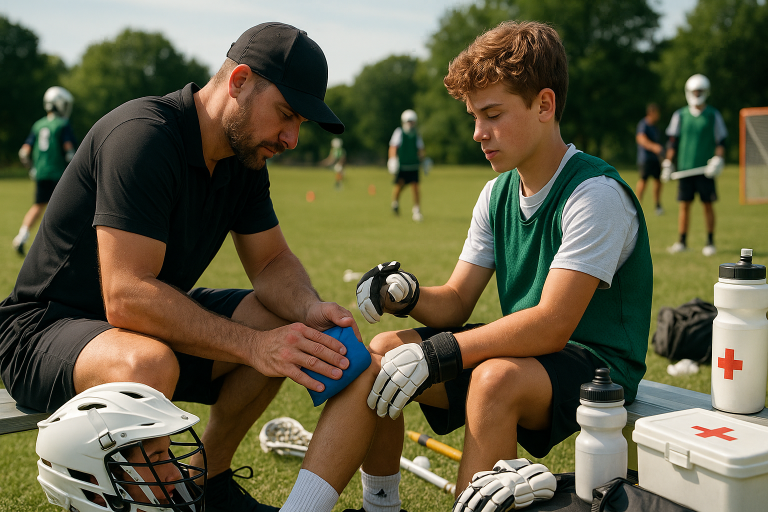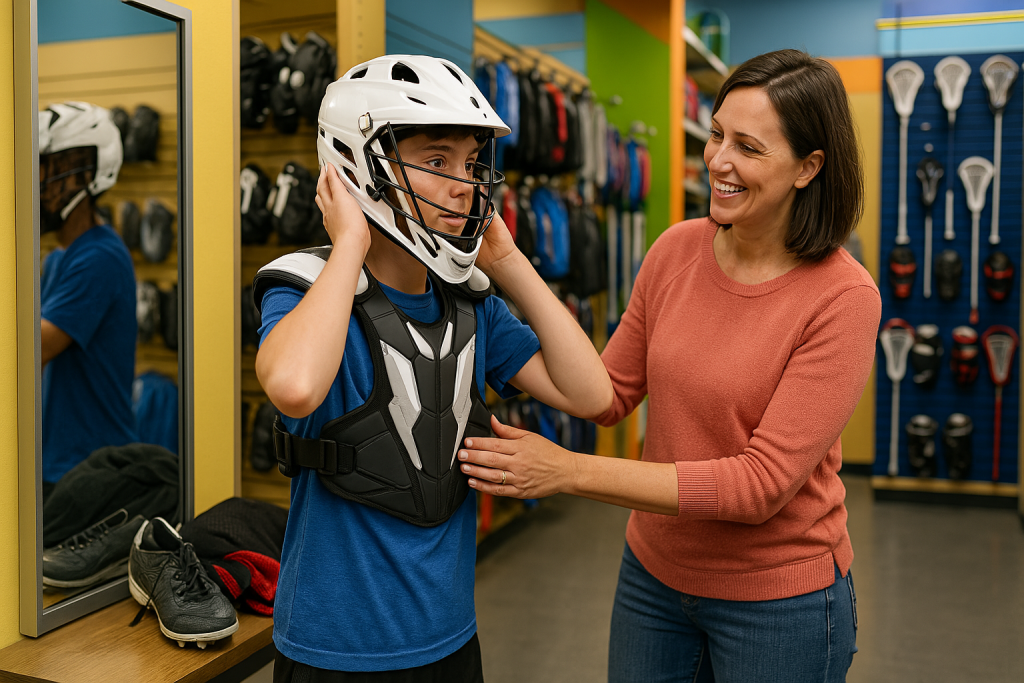
Watching your child grow as a lacrosse player is one of the most rewarding experiences as a parent. But watching them physically grow—especially during rapid developmental stages—can come with some unexpected challenges. One season, their gear fits just right. The next, everything feels too tight, too short, or downright unusable. Lacrosse growth spurts are real, and they can create serious complications when it comes to keeping up with your athlete’s gear needs.
During these growth periods, it can feel like your child is outgrowing equipment faster than you can keep up. You may find yourself replacing cleats multiple times a year or constantly adjusting pads that no longer stay in place. These changes don’t just affect comfort—they can also impact performance and safety. Understanding how to navigate lacrosse growth spurts is essential for any parent supporting a young athlete through their most formative years.
Lacrosse gear is built for protection, movement, and durability. But it’s not designed to stretch with a growing athlete. That means staying on top of sizing, checking fit frequently, and knowing when it’s time to upgrade is just as important as keeping up with team schedules or weekend tournaments. Without the right gear, even the most talented players can struggle to stay focused and confident on the field.
This blog will guide you through everything you need to know about managing lacrosse growth spurts—from the science behind why they happen to practical advice on how to choose gear that can grow with your child. Whether you’re a new lacrosse parent or a seasoned sideline veteran, this information will help you make smart, budget-friendly decisions that keep your young athlete playing their best all season long.
Why Lacrosse Growth Spurts Happen So Quickly
Lacrosse growth spurts can feel like they happen overnight. One day your kid is moving smoothly on the field, and the next, they’re tripping over gear that no longer fits their growing body. These spurts are a normal part of adolescent development, and for young athletes, they can come in waves.
For most kids, major growth spurts occur between the ages of 10 and 14, but they can vary widely. During this time, children can grow as much as 3–5 inches per year, and their muscle mass, foot size, and limb length may increase just as quickly. These sudden changes can throw off their coordination and impact how well gear fits and functions.
When it comes to lacrosse, these spurts affect everything—from the way a helmet sits on their head to how easily they can move in shoulder pads. Monitoring these changes and being proactive with equipment updates can make a big difference in preventing injuries and improving overall play.
The Risks of Wearing Improperly Fitted Gear
Wearing gear that doesn’t fit properly isn’t just uncomfortable—it can be dangerous. During lacrosse growth spurts, kids may not realize that their helmet is too tight or that their gloves no longer provide enough wrist coverage. This is why it’s crucial to check gear fit regularly and adjust as needed.
Poorly fitted gear can lead to:
- Increased risk of injury, especially to joints and bones that are still developing
- Reduced mobility, limiting performance and slowing development
- Discomfort and distraction, which can impact focus and confidence on the field
For parents and coaches, it’s important to recognize that a snug fit one season might be a safety hazard the next. Staying ahead of lacrosse growth spurts by routinely checking gear fit will help ensure that athletes remain protected as their bodies change.
What to Look for When Evaluating Gear Fit
During periods of rapid growth, it’s smart to check your child’s gear every few weeks—especially during the season. A few simple tests can help you quickly spot when something’s no longer doing its job.
Here are some key signs it’s time to size up:
- Helmet: If it leaves marks, feels tight, or your child complains of headaches, it’s likely too small.
- Shoulder pads: Watch for restricted arm movement or chest plates riding up.
- Arm pads: If there’s a visible gap between pads or limited elbow flex, they need an upgrade.
- Gloves: Fingers should have about a half-inch of room, and wrist mobility should remain intact.
- Cleats: Your child’s toes should not be pressing against the end of the shoe. Tight cleats can cause pain and injuries.
Lacrosse growth spurts don’t follow a schedule, so it’s better to be proactive. Doing a mid-season gear check is one of the best lacrosse parenting habits to adopt.
Budgeting for Gear During Growth Years
Lacrosse isn’t a cheap sport, and frequent gear upgrades can put a strain on any family’s budget. But with some planning, you can keep your athlete geared up without breaking the bank—even during the height of lacrosse growth spurts.
Here are a few helpful budgeting strategies:
- Buy used or trade gear: Look for secondhand equipment at local shops or through parent groups.
- Invest in adjustable gear: Some brands offer gear with adjustable straps or flexible sizing.
- Prioritize key pieces: Spend more on helmets and cleats (where safety and performance matter most) and save on less critical items like bags or practice jerseys.
- Take advantage of sales: End-of-season or clearance events can offer great deals on next season’s gear.
Budgeting for lacrosse growth spurts is about finding balance. You don’t need to buy top-of-the-line equipment every season, but you do want to ensure your child’s safety and comfort as they continue to grow.
How to Choose Gear That Grows With Your Athlete
While no piece of equipment is truly “growth-proof,” some gear is better designed to accommodate growing bodies. During lacrosse growth spurts, choosing gear that offers a bit of flexibility in fit can extend its life and reduce how often you need to upgrade.
Look for features like:
- Adjustable straps or lacing systems on shoulder pads and gloves
- Multi-size helmets that come with adjustable padding inserts
- Removable liners or extenders that offer more room as needed
- Stretch or Velcro closures that allow for minor fit modifications
Also, consider buying gear slightly large—just not so oversized that it affects safety. A half-size up in cleats or gloves can sometimes give you a full season of use without compromising performance.
The goal is to find gear that fits well now but has enough give to keep up with the pace of your child’s growth.
Talking to Coaches About Growth and Gear
If your child is experiencing a growth spurt, it’s worth talking to their coaches. Coaches often notice changes in performance, movement, or coordination before parents do—and they can be great allies when navigating lacrosse growth spurts.
Bring up any concerns about gear fit or physical changes you’ve observed. They might suggest drills to help your athlete adjust to their new body mechanics or flag gear that’s clearly outgrown. Some teams may even have gear exchanges or loaner programs for growing players.
Open communication ensures that your child gets the support they need on and off the field—and it reinforces that proper gear isn’t just a family issue, it’s a team priority.
Signs Your Child Is Adjusting to a Growth Spurt
Beyond just gear, lacrosse growth spurts also affect how your child plays the game. They may go through a brief awkward phase as they adjust to longer limbs, increased strength, or a changing center of gravity. This is totally normal and temporary.
Some signs your child is in this adjustment phase include:
- A sudden dip in coordination or speed
- Trouble balancing or frequent tripping
- Muscle soreness or fatigue after short practices
- Frustration or self-consciousness about changes
Patience is key. Encourage your child to stay positive and remind them that their body is catching up with itself. Reassure them that many athletes go through similar growing pains—and that their best games are still ahead of them.
Gear Planning: Lacrosse Growth Spurts
If your child is serious about lacrosse and plans to play for several years, it may be worth developing a longer-term gear plan. This doesn’t mean buying gear years in advance, but rather anticipating what your child will likely need as they move into higher levels of play.
Here’s what that might look like:
- Tracking growth: Keep a simple record of gear sizes and when you last upgraded.
- Budgeting annually: Allocate funds each year for anticipated gear needs.
- Planning for offseason: Use the off months to shop sales, explore sizing options, and allow your child to break in new gear slowly.
- Involving your athlete: As kids get older, let them participate in gear selection. It builds responsibility and ensures a better fit.
By making lacrosse growth spurts part of your family’s seasonal routine, you can stay ahead of the curve and reduce last-minute stress when something no longer fits.
Final Thoughts on Lacrosse Growth Spurts
Lacrosse growth spurts are an inevitable part of raising a young athlete. While they can be unpredictable and sometimes frustrating, they’re also a sign of progress—your child is growing, developing, and getting stronger. As their body changes, so will their needs on the field.
Staying proactive, flexible, and supportive during this time is key. With the right approach to gear management, budgeting, and communication, you can help your athlete stay safe, confident, and comfortable during every phase of growth. It’s not about having the flashiest gear—it’s about having the right gear that keeps up with your kid as they chase their goals.
So next time you notice your child’s helmet sitting a little too high or their cleats suddenly feeling tight, take a moment to reassess. These aren’t just growing pains—they’re opportunities to support your athlete through one of the most important parts of their development.
STXZ private lessons
Find a lacrosse coach near you
Private lessons with independent coaches, booked and paid through STXZ.
- 01Share your goalsYour player’s age, level, goals and the days that work for your family.
- 02Get matchedWe match you with an independent, background-checked coach near you.
- 03Start lessonsMeet at a field close to home, with you or another adult you choose there for every lesson.