When it comes to youth sports, safety is always a top priority. Lacrosse, a fast-paced and physically demanding game, is no exception. As a parent, ensuring your child is protected on the field starts with investing in the right gear—and nothing is more critical than a lacrosse helmet. Lacrosse helmet safety is not just about compliance with league standards; it’s about safeguarding your child from potential head injuries that could have long-term consequences. In this blog, we’ll dive deep into everything you need to know about lacrosse helmet safety, from understanding certifications to finding the perfect fit.
Lacrosse is a sport that combines speed, agility, and physical contact, making it both thrilling and challenging. However, these same elements also introduce risks, particularly to the head. Whether it’s a stray stick, a high-speed ball, or an accidental collision, the potential for head injuries is real. This is why lacrosse helmet safety is so crucial. A well-designed, properly fitted helmet can be the difference between a minor bump and a serious injury. But with so many options on the market, how do you know which helmet is the best choice for your child?
Parents often face a dilemma when it comes to purchasing sports equipment. On one hand, you want to ensure your child is safe; on the other, you may be tempted to cut costs by opting for cheaper or second-hand gear. However, when it comes to lacrosse helmet safety, compromising is not an option. A helmet that doesn’t meet safety standards or fit properly can leave your child vulnerable to injuries. By understanding the key factors that contribute to lacrosse helmet safety, you can make an informed decision that prioritizes your child’s well-being. Let’s explore what you need to know before buying a lacrosse helmet.
Why Lacrosse Helmet Safety Matters
Lacrosse is a contact sport that involves sticks, balls traveling at high speeds, and frequent collisions. While it’s an exciting and rewarding game, these elements also make it a sport with inherent risks, particularly to the head. Concussions and other head injuries are a concern in lacrosse, just as they are in football or hockey. This is why lacrosse helmet safety is non-negotiable.
A properly fitted and certified lacrosse helmet can significantly reduce the risk of head injuries. It acts as the first line of defense, absorbing impact and protecting the skull and brain. However, not all helmets are created equal. Some may meet basic safety standards but lack advanced features like enhanced padding or superior ventilation. Others may not fit correctly, leaving your child vulnerable. Understanding the nuances of lacrosse helmet safety ensures you make an informed decision.
Parents often wonder if they can rely on hand-me-down helmets or cheaper options to save money. While it might be tempting, cutting corners on lacrosse helmet safety is never worth the risk. A helmet that’s outdated, damaged, or improperly fitted won’t provide the protection your child needs. Investing in a high-quality, certified helmet is an investment in your child’s safety and future.
Key Features to Look for in a Lacrosse Helmet
When shopping for a lacrosse helmet, it’s easy to feel overwhelmed by the variety of options available. However, focusing on a few key features can simplify the process and ensure you prioritize lacrosse helmet safety. Here’s what to look for:
- Certification: Always choose a helmet that meets the safety standards set by organizations like the National Operating Committee on Standards for Athletic Equipment (NOCSAE). This certification ensures the helmet has undergone rigorous testing and meets minimum safety requirements.
- Fit and Adjustability: A helmet that doesn’t fit properly is essentially useless. Look for helmets with adjustable straps, padding, and sizing mechanisms to ensure a snug, secure fit.
- Ventilation: Lacrosse is a high-intensity sport, and players need helmets that allow for proper airflow to keep them cool and comfortable during games.
- Durability: The helmet should be made from high-quality materials that can withstand impact without compromising safety.
Another important consideration is the helmet’s weight. A heavy helmet can cause neck strain and fatigue, affecting your child’s performance on the field. Modern lacrosse helmets are designed to be lightweight without sacrificing protection, so prioritize models that strike this balance.
Don’t overlook the importance of visibility. A good lacrosse helmet should provide a clear, unobstructed view of the field. Look for designs with well-positioned face masks and adequate spacing to ensure your child can see clearly while staying protected.
How to Ensure the Right Fit
Even the safest lacrosse helmet won’t do its job if it doesn’t fit correctly. Proper fit is a cornerstone of lacrosse helmet safety, and it’s something parents should pay close attention to. A helmet that’s too loose can shift during play, leaving critical areas exposed, while one that’s too tight can cause discomfort and distract your child.
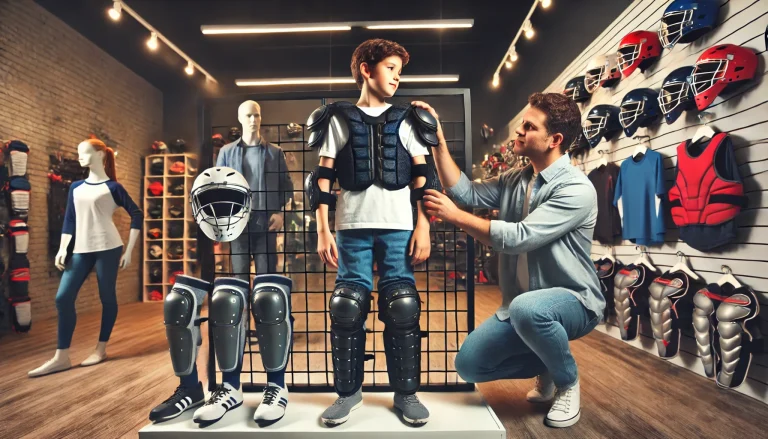
Start by measuring your child’s head circumference. Most helmets come with sizing charts to help you find the right fit based on these measurements. Once you’ve selected a size, try the helmet on your child and adjust the straps and padding as needed. The helmet should sit level on the head, covering the forehead without tilting forward or backward.
Here are a few tips to ensure a proper fit:
- The helmet should feel snug but not tight. You shouldn’t be able to move it more than an inch in any direction.
- The chin strap should be securely fastened, with no more than two fingers’ width of space between the strap and the chin.
- Check for pressure points. If the helmet causes discomfort in specific areas, it may not be the right fit.
Remember, children grow quickly, so it’s important to reassess the fit periodically. A helmet that fit perfectly at the start of the season may need adjustments or replacement as your child grows.
Understanding Safety Certifications
When it comes to lacrosse helmet safety, certifications are your best indicator of quality and reliability. These certifications are awarded by independent organizations that test helmets to ensure they meet specific safety standards. The most widely recognized certification for lacrosse helmets is from NOCSAE, which sets the benchmark for athletic equipment safety.
A NOCSAE-certified helmet has undergone rigorous testing for impact resistance, retention system strength, and overall durability. This certification ensures the helmet can effectively protect your child during play. Always look for the NOCSAE seal on the helmet, as this is a clear sign it meets the necessary safety requirements.
It’s also worth noting that safety standards can evolve over time. Helmets that were certified a few years ago may not meet the latest safety guidelines. This is why it’s important to purchase new helmets rather than relying on older models, even if they appear to be in good condition.
In addition to NOCSAE, some helmets may carry certifications from other organizations or meet additional safety criteria. While these can be a bonus, NOCSAE certification should always be your baseline for lacrosse helmet safety.
Maintaining and Inspecting Your Child’s Helmet
Lacrosse helmet safety doesn’t end with the purchase. Regular maintenance and inspection are essential to ensure the helmet continues to provide optimal protection. Over time, helmets can wear down, and even minor damage can compromise their effectiveness.
Start by establishing a routine to inspect the helmet before and after each use. Look for cracks, dents, or other signs of damage, particularly in the shell and face mask. Check the padding and straps for wear and tear, and ensure all components are securely attached. If you notice any issues, it’s time to replace the helmet.
Cleaning the helmet is another important aspect of maintenance. Sweat and dirt can accumulate over time, leading to unpleasant odors and potential damage to the materials. Use a mild soap and water solution to clean the helmet, avoiding harsh chemicals that could degrade the materials. Allow the helmet to air dry completely before storing it in a cool, dry place.
Be mindful of the helmet’s lifespan. Even with proper care, helmets have a limited lifespan due to the natural degradation of materials. Most manufacturers recommend replacing a lacrosse helmet every 3-5 years, depending on usage and condition. If your child experiences a significant impact while wearing the helmet, it’s best to replace it immediately, even if no visible damage is present.
Common Myths About Lacrosse Helmet Safety
Despite the importance of lacrosse helmet safety, there are several myths and misconceptions that can lead parents astray. Let’s debunk some of the most common ones:
- Myth 1: All helmets are the same. This couldn’t be further from the truth. Helmets vary widely in terms of safety features, materials, and certifications. Always choose a helmet that meets NOCSAE standards and fits your child properly.
- Myth 2: A used helmet is just as good as a new one. While it might be tempting to save money by purchasing a used helmet, this is a risky move. Used helmets may have hidden damage or outdated safety features that compromise their effectiveness.
- Myth 3: A helmet eliminates the risk of head injuries. While a high-quality helmet significantly reduces the risk, it doesn’t eliminate it entirely. Proper technique, sportsmanship, and adherence to rules are also crucial for minimizing injuries.
By understanding these myths, you can make more informed decisions and prioritize lacrosse helmet safety for your child.
Final Thoughts on Lacrosse Helmet Safety
As a parent, your child’s safety is always at the forefront of your mind. When it comes to lacrosse, ensuring they have the right helmet is one of the most important steps you can take. Lacrosse helmet safety isn’t just about meeting league requirements—it’s about giving your child the best possible protection so they can enjoy the game without unnecessary risks.
From understanding certifications to ensuring a proper fit, every detail matters. Take the time to research and invest in a high-quality helmet that meets the latest safety standards. Regularly inspect and maintain the helmet to keep it in top condition, and don’t hesitate to replace it if needed.
By prioritizing lacrosse helmet safety, you’re not just protecting your child’s head—you’re giving them the confidence to play their best and enjoy the sport they love. And that’s something every parent can feel good about.
STXZ private lessons
Find a lacrosse coach near you
Private lessons with independent coaches, booked and paid through STXZ.
- 01Share your goalsYour player’s age, level, goals and the days that work for your family.
- 02Get matchedWe match you with an independent, background-checked coach near you.
- 03Start lessonsMeet at a field close to home, with you or another adult you choose there for every lesson.