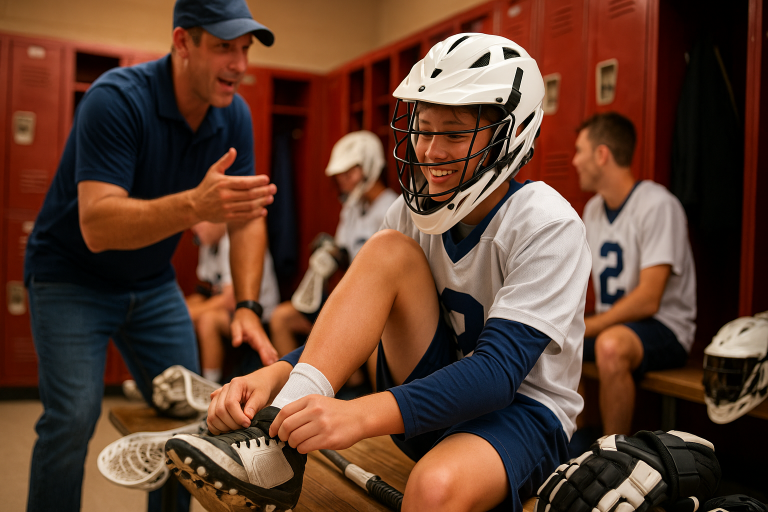
Lacrosse is a sport that demands a unique combination of speed, strength, agility, and endurance. Unlike many other sports, lacrosse requires players to constantly transition between explosive bursts of energy and sustained periods of effort. Whether you’re sprinting down the field to score, defending against an opponent, or fighting for a ground ball, the physical demands are immense. For young athletes, lacrosse conditioning workouts are not just a way to improve performance—they are a necessity for staying competitive and avoiding injuries.
The fast-paced nature of lacrosse means that players must be in peak physical condition to keep up with the game’s demands. A typical match involves running several miles, making quick directional changes, and engaging in physical battles for possession. Without proper conditioning, players may find themselves struggling to keep up with the pace or succumbing to fatigue during critical moments. This is where lacrosse conditioning workouts come into play. These workouts are specifically designed to build the endurance, strength, and agility needed to excel on the field.
But lacrosse conditioning workouts are about more than just physical fitness. They also play a crucial role in injury prevention. The sport’s high-intensity movements, such as sudden stops, starts, and changes of direction, put significant stress on the body. Without a strong foundation of conditioning, young athletes are more susceptible to injuries like sprains, strains, and overuse issues. By incorporating a well-rounded conditioning program, players can strengthen their muscles, improve joint stability, and enhance their overall resilience, allowing them to perform at their best while staying healthy.
For young athletes, lacrosse conditioning workouts are an opportunity to develop not only their physical abilities but also their mental toughness. The discipline and dedication required to stick to a conditioning routine can translate into greater focus and determination on the field. As players push through challenging workouts, they build the mental resilience needed to handle the pressures of competition. In the following sections, we’ll explore the key components of lacrosse conditioning workouts, from building endurance and strength to improving agility and recovery, providing young athletes with the tools they need to succeed.
The Importance of Lacrosse Conditioning Workouts
Lacrosse conditioning workouts are the foundation of any successful player’s training regimen. The sport demands quick bursts of speed, sustained endurance, and the ability to recover rapidly between plays. Without proper conditioning, players may struggle to keep up with the pace of the game or find themselves fatigued during critical moments.
Conditioning for lacrosse isn’t just about running laps or lifting weights. It’s about developing sport-specific fitness that translates directly to the field. For example, lacrosse players need explosive power for sprinting, lateral agility for dodging opponents, and core strength for maintaining balance during physical play. By incorporating lacrosse conditioning workouts into their routine, young athletes can build the physical and mental resilience needed to thrive in this dynamic sport.
Moreover, lacrosse conditioning workouts help prevent injuries. The sport involves frequent changes of direction, contact, and repetitive motions, all of which can strain the body. A well-rounded conditioning program strengthens muscles, improves flexibility, and enhances joint stability, reducing the likelihood of sprains, strains, and other common injuries.
Building Endurance for Lacrosse
Endurance is a critical component of lacrosse conditioning workouts. The ability to maintain a high level of performance throughout the game is what separates good players from great ones. Lacrosse matches can be grueling, often lasting over an hour, with players constantly moving up and down the field. To build endurance, young athletes should focus on both aerobic and anaerobic conditioning.
Aerobic conditioning involves activities that increase cardiovascular fitness, such as running, cycling, or swimming. These exercises improve the body’s ability to use oxygen efficiently, which is essential for sustaining energy during long periods of play. A great way to incorporate aerobic training into lacrosse conditioning workouts is through long-distance runs or interval training on the track.
Anaerobic conditioning, on the other hand, focuses on short, high-intensity efforts that mimic the demands of the game. Sprints, shuttle runs, and hill repeats are excellent examples of anaerobic exercises that can be included in lacrosse conditioning workouts. These activities help players develop the explosive power and quick recovery needed for fast breaks, defensive stops, and other high-intensity moments during a match.
Here are a few endurance-building exercises to include in lacrosse conditioning workouts:
- 400-meter sprints with 1-minute rest intervals
- 2-mile runs at a steady pace
- Shuttle runs with changes of direction
- Hill sprints for added resistance
Developing Strength for Lacrosse
Strength training is another crucial element of lacrosse conditioning workouts. While endurance ensures players can last the entire game, strength allows them to outperform their opponents in physical battles. Lacrosse involves a lot of pushing, pulling, and grappling, whether it’s fighting for ground balls, setting picks, or defending against an opponent’s attack.
To build strength, young athletes should focus on compound exercises that target multiple muscle groups. Squats, deadlifts, bench presses, and pull-ups are all excellent choices for lacrosse conditioning workouts. These exercises not only build muscle but also improve overall athleticism, coordination, and balance.
Core strength is particularly important for lacrosse players. A strong core helps with stability, power transfer, and injury prevention. Exercises like planks, Russian twists, and medicine ball throws should be a staple in any lacrosse conditioning workout program. Additionally, incorporating functional movements like lunges and step-ups can help players develop the strength needed for explosive movements on the field.
It’s important to note that strength training for young athletes should be approached with caution. Proper form and technique are essential to prevent injuries, and workouts should be tailored to the athlete’s age and experience level. A qualified coach or trainer can help design a safe and effective strength training program as part of lacrosse conditioning workouts.
Agility and Speed Training for Lacrosse
Agility and speed are two of the most important attributes for lacrosse players. The ability to change direction quickly, accelerate past defenders, and react to plays in real-time can make all the difference on the field. Lacrosse conditioning workouts should include drills that enhance these skills.
Agility ladder drills are a fantastic way to improve footwork and coordination. These drills involve quick, precise movements through a series of ladder rungs, helping players develop the ability to change direction rapidly. Cone drills, such as the 5-10-5 shuttle or T-drill, are also excellent for building agility and simulating game-like scenarios.
Speed training should focus on both acceleration and top-end speed. Short sprints of 20-40 meters are ideal for developing explosive acceleration, while longer sprints of 60-100 meters help improve top-end speed. Incorporating resistance training, such as sled pushes or parachute sprints, can further enhance speed development in lacrosse conditioning workouts.
Here are a few agility and speed drills to try:
- Agility ladder drills (e.g., in-and-out steps, lateral shuffles)
- Cone drills (e.g., zig-zag runs, figure-eight patterns)
- Sled pushes for resistance training
- Flying 40s (sprinting 40 meters at full speed)
Recovery and Flexibility in Lacrosse Conditioning Workouts
While it’s easy to focus on the physical demands of lacrosse conditioning workouts, recovery and flexibility are equally important. Young athletes need time to rest and repair their bodies to avoid overtraining and injuries. Incorporating recovery techniques into their routine can help them stay fresh and perform at their best.
Stretching is a simple yet effective way to improve flexibility and prevent injuries. Dynamic stretches, such as leg swings and arm circles, are great for warming up before a workout or game. Static stretches, like hamstring stretches and hip flexor stretches, are better suited for cooling down after activity.
Foam rolling and massage therapy can also aid in recovery by relieving muscle tension and improving blood flow. Additionally, young athletes should prioritize sleep and nutrition as part of their recovery strategy. A balanced diet rich in protein, carbohydrates, and healthy fats provides the fuel needed for intense lacrosse conditioning workouts, while adequate sleep allows the body to repair and rebuild.
Mental Toughness and Lacrosse Conditioning Workouts
Lacrosse is as much a mental game as it is a physical one. The ability to stay focused, push through fatigue, and maintain composure under pressure is crucial for success. Lacrosse conditioning workouts can help young athletes develop mental toughness by challenging them to push their limits.
High-intensity interval training (HIIT) is an excellent way to build both physical and mental resilience. These workouts involve alternating between periods of intense effort and short rest, forcing players to dig deep and stay focused. Over time, this type of training can help young athletes develop the mental fortitude needed to perform under pressure.
Visualization and mindfulness techniques can also be incorporated into lacrosse conditioning workouts. Encouraging players to visualize success on the field or practice deep breathing exercises can help them stay calm and focused during games. Mental toughness is a skill that can be developed over time, and it’s an essential part of any comprehensive lacrosse conditioning program.
Putting It All Together: A Sample Lacrosse Conditioning Workout
To help young athletes get started, here’s a sample lacrosse conditioning workout that incorporates endurance, strength, agility, and recovery:
- Warm-Up: 10 minutes of dynamic stretching and light jogging
- Endurance: 5x 400-meter sprints with 1-minute rest intervals
- Strength: 3 sets of squats, push-ups, and pull-ups
- Agility: Agility ladder drills and cone drills
- Cool-Down: 10 minutes of static stretching and foam rolling
This workout can be adjusted based on the athlete’s fitness level and goals. The key is to maintain a balance between different types of training and prioritize recovery to avoid burnout.
Final Thoughts on Lacrosse Conditioning Workouts
Lacrosse conditioning workouts are an essential part of any young athlete’s training routine. By focusing on endurance, strength, agility, and recovery, players can build the physical and mental skills needed to excel on the field. Whether it’s through sprint intervals, strength training, or agility drills, these workouts help young athletes develop the resilience and toughness required to compete at a high level.
Remember, consistency is key. Incorporating lacrosse conditioning workouts into a regular training schedule will yield the best results over time. With dedication, hard work, and the right approach, young lacrosse players can take their game to the next level and achieve their full potential.
STXZ private lessons
Find a lacrosse coach near you
Private lessons with independent coaches, booked and paid through STXZ.
- 01Share your goalsYour player’s age, level, goals and the days that work for your family.
- 02Get matchedWe match you with an independent, background-checked coach near you.
- 03Start lessonsMeet at a field close to home, with you or another adult you choose there for every lesson.