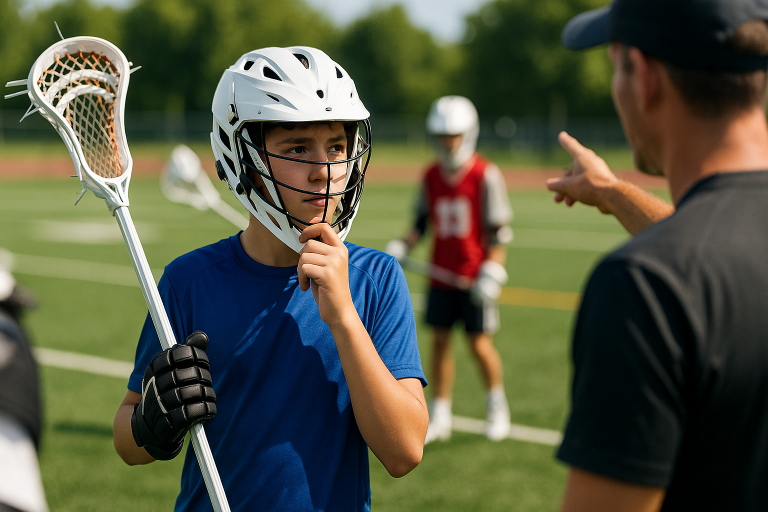
Fostering a Winning Mindset in Lacrosse: Strategies for Mental Toughness
Developing a winning mindset in lacrosse is as crucial as physical training and technical skills. A player’s mental approach can dramatically influence their performance on the field, affecting everything from daily practice to high-stakes competition. This blog explores the key strategies for cultivating a winning mindset in lacrosse, providing players with the mental tools they need to succeed under pressure and overcome the challenges of the sport.
Setting Clear, Achievable Goals
One of the foundational steps in building a winning mindset in lacrosse is goal setting. Effective goals provide direction and motivation, helping players focus their efforts on specific aspects of their game. It’s important for players to set both long-term and short-term goals. Long-term goals might include achieving a certain position on a team or winning a championship, while short-term goals could focus on improving specific skills like passing accuracy or defensive maneuvers.
When setting goals, ensure they are SMART: Specific, Measurable, Achievable, Relevant, and Time-bound. This framework not only clarifies what success looks like but also provides a roadmap to achieving it. Regularly reviewing and adjusting these goals keeps your training relevant and challenging, continuously pushing you towards that winning mindset.
Embracing a Positive Attitude
A positive attitude is a key component of a winning mindset in lacrosse. Players who maintain a positive outlook are more resilient in the face of setbacks and more persistent in their efforts to improve. Cultivating positivity involves focusing on what can be controlled — effort, attitude, and response to events — rather than dwelling on mistakes or external pressures.
Encourage self-talk that reinforces confidence and self-belief. Phrases like “I can handle this,” “I am prepared,” and “I am improving every day” can significantly impact a player’s mental state during both practice and games. Additionally, celebrating small victories and learning from failures without harsh self-judgment fosters a more positive, growth-oriented mindset.
Mastering Focus and Concentration
The ability to focus and maintain concentration during games is critical in lacrosse, where moments of distraction can lead to missed opportunities or errors. Developing concentration involves practicing mindfulness and situational awareness, both on and off the field. Mindfulness exercises, such as deep breathing and visualization, help players enhance their focus and stay present during critical moments.
During practice, simulate game-like pressure situations to improve your ability to concentrate under stress. This could include performing drills with added distractions or limiting factors, such as noise or fatigue. By regularly training in these environments, players can better manage their focus and execute their skills proficiently during actual games.
Building Mental Resilience
Mental resilience in lacrosse allows players to bounce back from setbacks and continue striving towards their goals. Resilience can be strengthened by facing and overcoming challenges during training. This includes pushing through physical discomfort, handling competitive pressures, and adapting to unexpected changes in gameplay.
It’s also beneficial to develop a routine for dealing with mistakes or losses. This might involve taking a moment to assess what went wrong, identifying a lesson or takeaway, and then resetting focus for the next play or game. Such practices encourage a constructive response to adversity, which is essential for maintaining a winning mindset.
Cultivating Team Cohesion
While individual mindset is crucial, lacrosse is a team sport, and the collective mindset can significantly impact individual performance. A winning team culture is built on mutual respect, shared goals, and strong communication. As a player, contribute to this environment by supporting teammates, communicating effectively, and showing leadership, regardless of your role or status on the team.
Regular team-building activities can strengthen relationships and improve communication among players, which translates into better performance during games. These activities don’t always have to be lacrosse-specific; they can include group outings, team challenges, or problem-solving exercises that encourage teamwork and communication.
Continuous Learning and Adaptation
Finally, a winning mindset in lacrosse involves an ongoing commitment to learning and adaptation. The best players are those who remain students of the game throughout their careers. They are constantly seeking new knowledge, studying opponents, and adapting their play based on experiences and feedback.
Embrace coaching, seek feedback from peers and coaches, and take the time to study game film and professional players. The insights gained can provide a significant competitive edge and contribute to a sophisticated understanding of the game, reinforcing a winning mindset.
Leveraging Visualization Techniques
Visualization is a powerful tool for developing a winning mindset in lacrosse. By mentally rehearsing game situations, players can enhance their readiness and confidence on the field. This technique involves imagining oneself executing skills flawlessly, overcoming challenges, and achieving personal and team goals during a game. Visualization not only prepares the mind for action but also conditions the body to respond as envisioned, leading to improved performance during actual play.
To effectively use visualization, set aside time before practices and games to close your eyes and mentally walk through various play scenarios. Focus on the details—feel the stick in your hands, see the goal, hear your teammates. Regular practice of visualization can make these mental images second nature and significantly impact your physical performance by enhancing your intuition and decision-making on the field.
Enhancing Adaptability
A key component of a winning mindset in lacrosse is adaptability—being able to adjust quickly to changing situations on the field. This skill can be the difference between winning and losing, especially in high-pressure or unexpected scenarios. Developing adaptability involves both mental flexibility and a willingness to step out of one’s comfort zone during training.
Incorporate drills that require quick decision-making and adaptability into your practice routines. Use small-sided games or create scenarios that mimic unusual game situations. Encouraging players to think on their feet and adapt strategies not only improves individual skills but also enhances the team’s overall ability to handle pressure and change during games.
Practicing Self-Reflection
Self-reflection is vital for continual growth and maintaining a winning mindset in lacrosse. It involves regularly assessing one’s performances, identifying strengths and areas for improvement, and setting action plans for future development. This practice encourages players to be proactive about their personal growth and to take responsibility for their performance.
After each game or practice, take some time to reflect on what went well and what didn’t. Write these observations down in a journal and discuss them with coaches or mentors who can provide additional insights and guidance. This habit not only helps refine skills and strategies but also fosters a mindset oriented towards continuous improvement and excellence.
Cultivating Emotional Control
Emotional control is critical in maintaining a winning mindset, especially in a fast-paced, high-emotion sport like lacrosse. Players must be able to manage their feelings to maintain focus, perform under pressure, and interact positively with teammates and opponents. Developing emotional control helps players remain calm and composed, enabling them to make better decisions during critical moments of the game.
To improve emotional control, engage in practices such as deep breathing, mindfulness meditation, or yoga. These activities help reduce stress, enhance concentration, and promote a calm demeanor. Additionally, during practice, simulate stressful game situations to help players learn to manage their emotions in real-time, preparing them for the emotional challenges of actual competition.
Building Physical and Mental Endurance
Physical and mental endurance are interlinked, and both are essential for sustaining a winning mindset throughout a lacrosse game. Physical endurance ensures that players can perform at their peak from start to finish, while mental endurance keeps their strategic thinking and decision-making sharp, even under fatigue.
Integrate endurance training into your regular fitness regimen, focusing on both aerobic and anaerobic exercises. Additionally, challenge yourself mentally during these workouts by setting goals or solving problems to push through when physically tired. This combination not only boosts stamina but also trains you to maintain a high level of mental alertness and tactical thinking, crucial for late-game scenarios when the outcome often hangs in the balance.
Conclusion: Winning Mindset In Lacrosse
Cultivating a winning mindset in lacrosse is about much more than just mental toughness; it’s about setting goals, maintaining a positive attitude, mastering focus, building resilience, fostering team cohesion, and continually learning. By developing these mental skills, players can enhance their performance and contribute more effectively to their teams. For more resources on improving your mental game in lacrosse, visit STXZ Lacrosse. Here, you’ll find tools and tips to help you build the mental fortitude needed to succeed in lacrosse and beyond.
STXZ private lessons
Find a lacrosse coach near you
Private lessons with independent coaches, booked and paid through STXZ.
- 01Share your goalsYour player’s age, level, goals and the days that work for your family.
- 02Get matchedWe match you with an independent, background-checked coach near you.
- 03Start lessonsMeet at a field close to home, with you or another adult you choose there for every lesson.