Sports psychology for kids is a powerful tool that helps young athletes develop the mental skills they need to perform at their best, overcome challenges, and stay motivated. It focuses on the psychological and emotional aspects of sports performance, such as building confidence, improving focus, and enhancing resilience. Just as physical skills are important for success in sports, mental toughness and psychological well-being play an equally crucial role.
Sports psychology for kids helps them navigate the pressures of competition, manage their emotions, and maintain a positive mindset, regardless of the outcomes they face. As young athletes develop, they often encounter obstacles such as self-doubt, fear of failure, and frustration. With the right mental training, children can learn to overcome these challenges and thrive, not just in their sport but in many aspects of their lives.
The foundation of sports psychology for kids is about teaching young athletes how to manage their thoughts and emotions in a way that enhances performance and mental well-being. By focusing on mental conditioning techniques such as visualization, goal-setting, and self-talk, kids can build resilience and the confidence needed to face adversity on and off the field. These psychological tools give them the ability to tackle setbacks with a positive mindset and stay motivated to continue improving.
Building Confidence in Young Athletes
One of the most important aspects of sports psychology for kids is building confidence. Confidence is the foundation of success in sports, as it enables young athletes to take risks, trust their abilities, and perform under pressure. Confidence doesn’t just come from winning games or achieving goals—it’s developed through consistent effort, progress, and learning from mistakes.
For many kids, low self-esteem or fear of failure can hold them back from reaching their full potential. Sports psychology for kids helps children build a strong sense of self-belief, helping them focus on their progress rather than comparing themselves to others. This sense of internal validation is what leads to sustained confidence, as kids learn to trust their skills, decisions, and hard work.
Parents and coaches can help build confidence by encouraging effort over results. Praising a child’s hard work, dedication, and improvement fosters a growth mindset, which is a key component of confidence-building. Additionally, setting small, achievable goals allows kids to see their progress step by step. These incremental successes build self-assurance and reinforce their belief in their abilities.
Here are some effective sports psychology for kids strategies for building confidence:
- Praise effort, not just success: Focus on the process rather than just the outcome, helping children feel valued for their hard work.
- Set achievable goals: Break down larger goals into smaller, manageable steps that your child can accomplish.
- Encourage a growth mindset: Teach your child that mistakes are a natural part of learning and growing, not a reflection of their worth or ability.
Building confidence through sports psychology for kids allows athletes to face challenges head-on with a belief in themselves and their capacity to improve, setting the stage for future success.
Mental Toughness: Overcoming Setbacks and Building Resilience
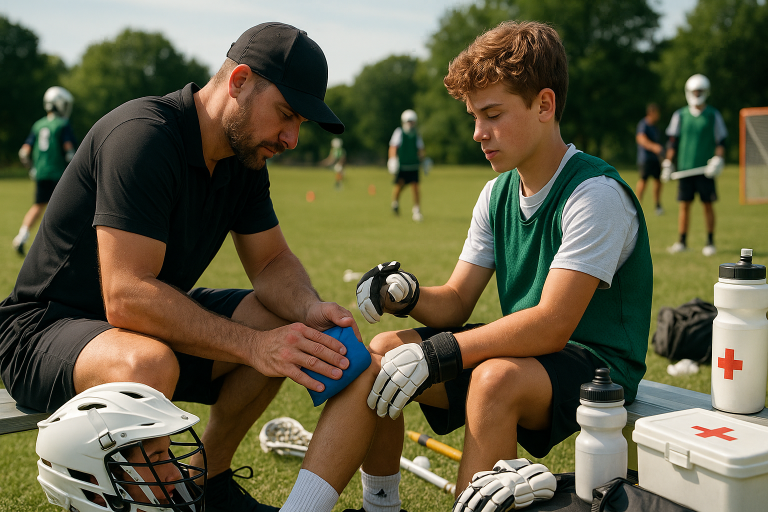
Mental toughness is another essential component of sports psychology for kids. It’s the ability to stay focused, stay positive, and keep pushing forward, even in the face of adversity. Whether it’s a missed shot, a tough opponent, or an injury, kids with mental toughness are better equipped to handle setbacks and keep striving for improvement.
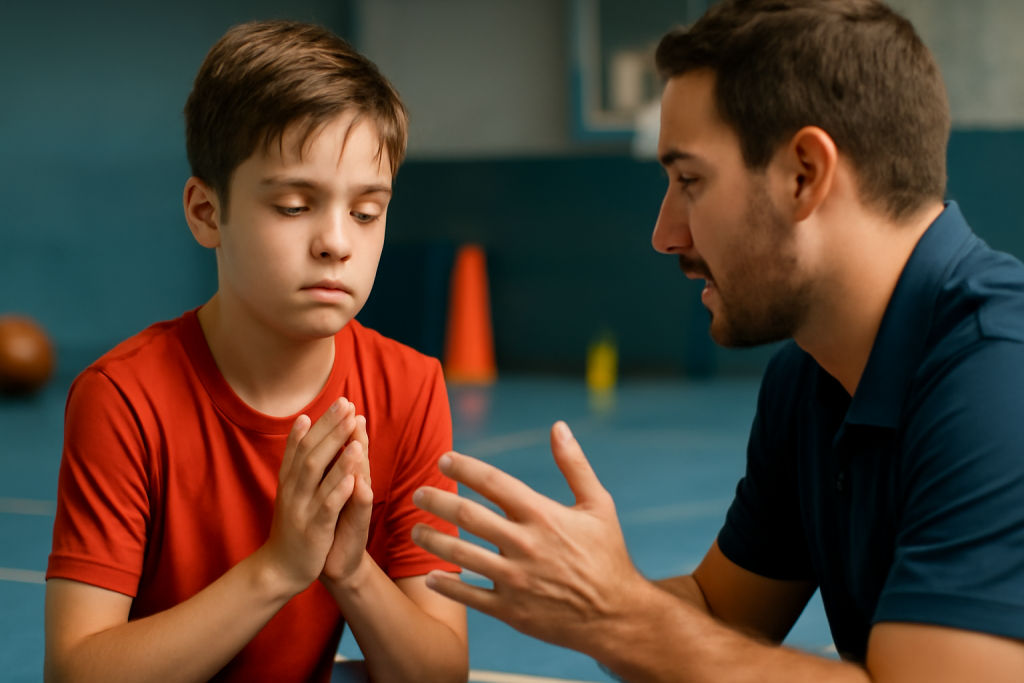
Developing mental toughness takes practice, and it involves teaching kids how to respond to challenges in a positive way. One of the key elements of mental toughness is resilience—the ability to bounce back after facing adversity. Sports psychology for kids encourages resilience by helping children view setbacks as opportunities to learn and grow, rather than as signs of failure.
A great way to build resilience is by teaching kids how to reframe negative thoughts. Instead of focusing on a mistake, they can be encouraged to focus on what they can learn from it. Sports psychology for kids emphasizes the importance of a positive mindset, even in difficult situations. When children learn to manage their thoughts and emotions, they become more capable of staying calm under pressure and pushing through tough moments.
Some helpful sports psychology for kids techniques for building mental toughness include:
- Positive self-talk: Encourage your child to replace negative thoughts with positive affirmations, such as “I can do this” or “I’ll learn from this mistake.”
- Visualization: Have your child mentally rehearse overcoming obstacles, whether it’s making a successful play or handling a tough situation.
- Focus on the process: Teach your child to concentrate on their effort and improvement rather than the outcome or result.
By instilling mental toughness and resilience through sports psychology for kids, young athletes will learn how to stay focused, handle pressure, and persevere through challenges—valuable skills that extend beyond sports.
Focus and Concentration: Staying Present in the Moment
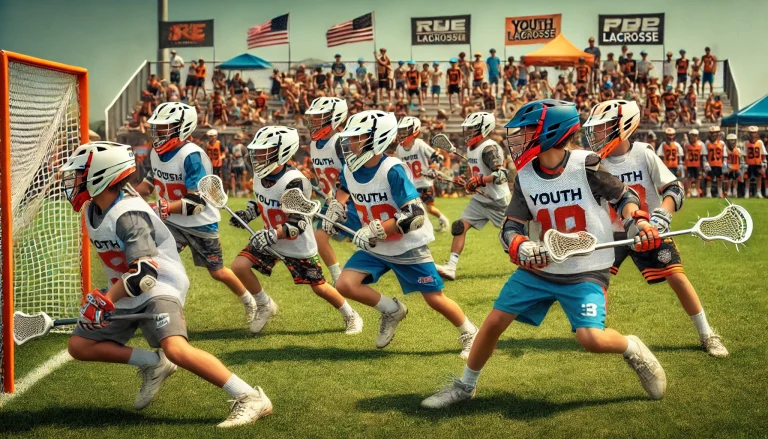
In sports, concentration is key. Sports psychology for kids emphasizes the importance of staying focused and present during the game. Distracting thoughts—whether it’s worries about the future or regrets about the past—can prevent kids from performing their best. Learning to focus on the present moment can improve performance and reduce anxiety.
One of the most effective tools in sports psychology for kids is mindfulness. Mindfulness is the practice of focusing on the present moment, acknowledging thoughts and feelings without judgment, and letting go of distractions. By practicing mindfulness, children can learn how to stay present in the game, block out distractions, and maintain concentration on the task at hand. This helps them perform better, especially during high-pressure situations.
A key part of focus is controlling the controllable. Often, kids worry about things they can’t control, like the outcome of the game or what others think of them. Sports psychology for kids teaches children to focus only on what they can control, such as their effort, attitude, and how they respond to challenges. This helps them stay calm and focused, leading to better decision-making and improved performance.
Here are some sports psychology for kids strategies for improving focus and concentration:
- Mindfulness practice: Encourage your child to take a few minutes each day to practice mindfulness, focusing on their breath and being present.
- Breathing techniques: Teach your child deep breathing exercises to calm their mind and regain focus during stressful moments.
- Visualization: Use mental imagery to help your child concentrate on performing well and handling challenges during the game.
By improving focus and concentration, kids can stay mentally sharp and maintain peak performance throughout the game.
Motivation: Keeping the Fire Alive
Motivation is the fuel that drives athletes to push themselves and keep improving, even when things get tough. Sports psychology for kids focuses on fostering intrinsic motivation—the internal drive to improve and succeed based on personal satisfaction, rather than external rewards or recognition. Kids who are intrinsically motivated are more likely to stay committed to their sport and continue working hard to improve.
One of the key components of motivation is goal-setting. By setting both short-term and long-term goals, children can track their progress, stay motivated, and have a clear vision of where they want to go. Sports psychology for kids encourages setting specific, measurable, and realistic goals that are aligned with the child’s interests and values. When kids have goals they are passionate about, they are more likely to remain motivated and work hard to achieve them.
Another important aspect of motivation is helping kids find enjoyment in the process of learning and improving, rather than just focusing on outcomes. When the joy of playing is emphasized, it becomes easier to stay motivated and put in the effort, even when faced with challenges.
Here are some sports psychology for kids tips for fostering motivation:
- Set personal goals: Help your child identify what they want to achieve, whether it’s improving a specific skill or making a team.
- Celebrate small victories: Acknowledge and celebrate progress, even if it’s just a small step toward a larger goal.
- Find joy in the process: Encourage your child to enjoy the journey of learning and improvement, rather than just focusing on results.
By fostering intrinsic motivation through sports psychology for kids, children develop a lifelong love for their sport and a passion for continuous growth.
Conclusion: The Power of Sports Psychology for Kids
Sports psychology for kids is a powerful tool that can unlock a young athlete’s potential, helping them develop mental toughness, confidence, and focus. It goes beyond just improving performance on the field—it equips children with the tools to manage emotions, overcome setbacks, and maintain a positive mindset throughout their athletic journey. By integrating psychological techniques like goal-setting, mindfulness, positive self-talk, and resilience training, young athletes are better prepared to face the challenges that come with sports and life in general.
The benefits of sports psychology for kids extend far beyond the playing field. As children develop their mental and emotional skills, they also grow as individuals, learning valuable life skills such as discipline, empathy, and effective communication. The confidence and mental toughness that come from practicing sports psychology help children manage the pressures they face, whether they’re dealing with competition, setbacks, or even social challenges. These mental skills can have a lasting impact on their academic performance, relationships, and personal development.
Ultimately, sports psychology for kids offers a pathway to long-term success, not just in sports but in many aspects of life. By teaching children to stay focused, stay resilient, and maintain a positive attitude, parents and coaches can help them build the mental foundation for future achievement. Investing in mental conditioning through sports psychology equips kids to embrace challenges, learn from mistakes, and celebrate victories, both big and small. With the right psychological tools in place, children can become stronger, more confident athletes—and more confident individuals—ready to tackle whatever comes their way.
STXZ private lessons
Find a lacrosse coach near you
Private lessons with independent coaches, booked and paid through STXZ.
- 01Share your goalsYour player’s age, level, goals and the days that work for your family.
- 02Get matchedWe match you with an independent, background-checked coach near you.
- 03Start lessonsMeet at a field close to home, with you or another adult you choose there for every lesson.