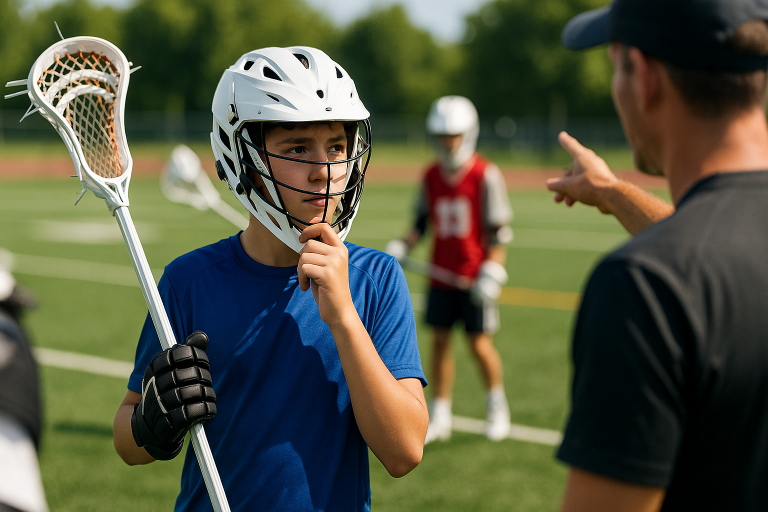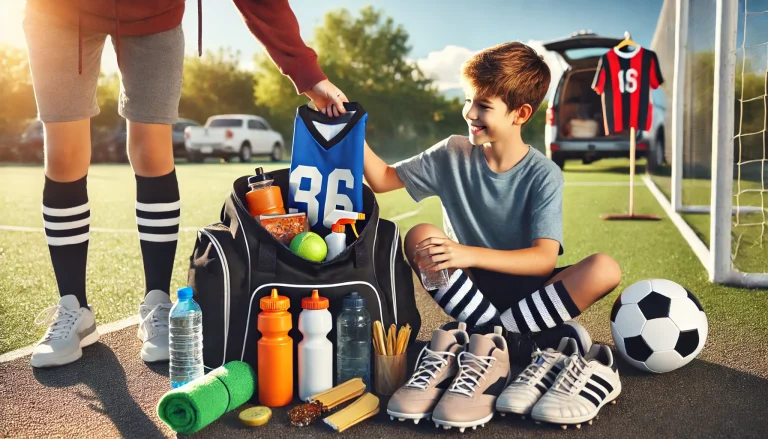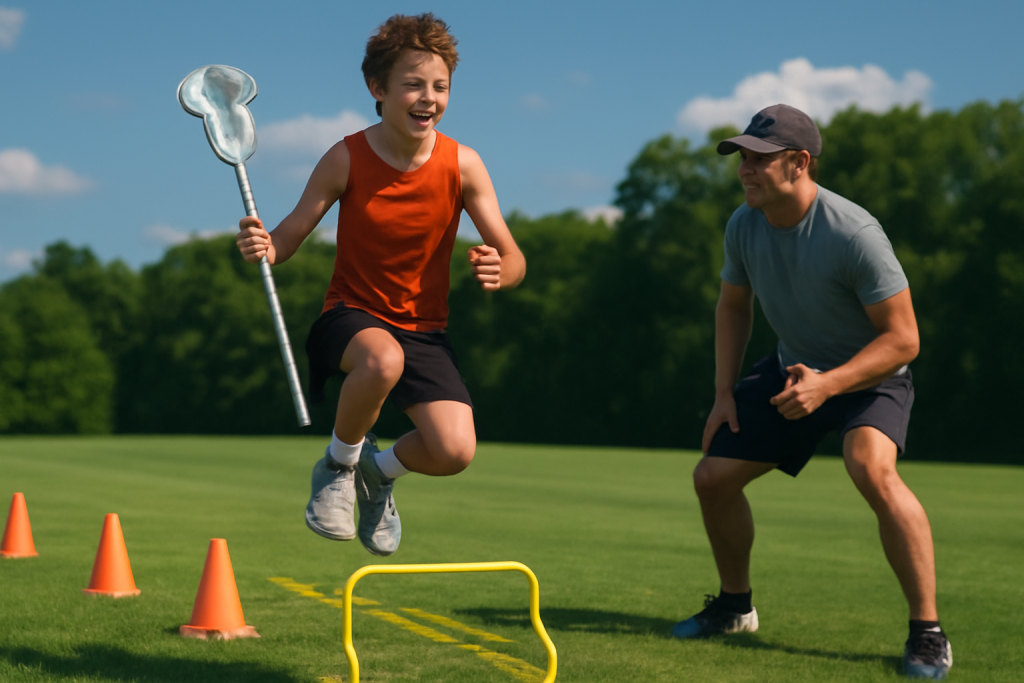
As the school year wraps up and the days get longer, many kids look forward to the downtime and the chance to relax. However, the summer months are also a perfect opportunity to keep them engaged in physical activity, build their skills, and prepare for the next sports season. Summer training programs play a crucial role in helping kids stay active during the offseason while offering a structured environment that promotes physical, mental, and social growth.
Summer training programs are an essential tool for maintaining fitness and improving athletic skills. Without the structure of regular practices and games, it’s easy for young athletes to fall out of routine and lose the progress they’ve made throughout the year. These programs not only help prevent fitness loss but also provide kids with the chance to continue improving their techniques and exploring new skills. Whether they’re playing a team sport like lacrosse, soccer, or basketball, or focusing on individual development, summer training programs provide a healthy and engaging way to keep kids active.
Another benefit of summer training programs is the opportunity to engage in fun, non-competitive activities that can help kids avoid burnout. Many young athletes face the pressure of year-round training, and a well-designed summer program can give them a much-needed break from the stress of intense competition while still allowing them to stay active. The focus can shift from competition to fun, teamwork, and individual development, making it easier for kids to stay motivated and excited about their sport.
Physical Fitness: Why It’s Key to Summer Training Programs
One of the primary goals of any summer training program is to maintain and improve physical fitness. Whether your child is training for a specific sport or simply staying active over the summer, regular exercise is crucial for overall health and well-being. Keeping kids physically active during the offseason helps them avoid losing the strength, endurance, and coordination they’ve worked hard to develop during the regular season.
A balanced fitness routine is important for young athletes because it supports healthy growth, builds stamina, and increases flexibility. Summer training programs should include a mix of cardiovascular exercise, strength training, and flexibility work. This combination ensures that kids stay physically prepared for their upcoming sports season while also benefiting their overall health.
For example, cardiovascular exercises like running, biking, or swimming improve endurance and heart health, which is essential for almost every sport. Strength training exercises, such as bodyweight exercises (squats, lunges, push-ups), or light weightlifting, build muscle, prevent injury, and improve coordination. Flexibility exercises, like stretching or yoga, can prevent muscle stiffness and improve range of motion, which is key for injury prevention and optimal performance.
Here are a few benefits of including physical fitness in summer training programs:
- Increases overall strength and endurance: Strength and stamina are essential for any sport and will help kids perform better during the season.
- Improves flexibility: Stretching and mobility exercises can help with muscle recovery and prevent injury.
- Supports mental health: Regular physical activity is known to reduce stress, anxiety, and improve mood.
A well-rounded fitness plan in a summer training program can set kids up for a successful sports season and help them stay healthy and injury-free.
Skill Development and Technique Training
While physical fitness is important, skill development is equally critical in a summer training program. Offseason is the perfect time to work on improving specific skills, from dribbling in soccer to shooting in lacrosse or basketball. These programs give kids the opportunity to refine their techniques, practice their fundamentals, and build the muscle memory they need to perform at their best during the competitive season.
Incorporating skill drills into summer training programs helps kids focus on the aspects of their sport that need improvement, whether that’s passing accuracy, footwork, or coordination. By setting specific goals and practicing techniques regularly, young athletes can see tangible improvements over time. Skill development isn’t just about learning new things—it’s about reinforcing good habits and eliminating bad ones.
Another key benefit of skill development during the summer is that it can foster a greater love for the sport. Kids may feel a sense of accomplishment as they see themselves improving, whether it’s mastering a new skill or perfecting an existing one. This can increase motivation and passion for the game, which is crucial for long-term athletic success.
Here are some key focus areas for skill development during the summer:
- Technique refinement: Focus on basic skills that are essential for success in the upcoming season.
- Game awareness: Spend time improving decision-making and understanding the game’s strategies.
- Position-specific training: Tailor drills to the specific demands of your child’s position or sport.
By incorporating a mix of drills and technical skill work, summer training programs provide kids with the tools they need to improve and succeed when the season begins.
Building Mental Toughness and Focus
A well-rounded summer training program doesn’t just focus on physical skills—it also emphasizes mental toughness and focus. The offseason provides a great opportunity for kids to develop the mental attributes needed to excel in their sport. Mental toughness, including resilience, focus, and the ability to push through challenges, is crucial for athletes who want to perform under pressure.
Incorporating mental training exercises into summer training programs can help kids build confidence and stay calm in high-stress situations. Visualization techniques, mindfulness, and goal setting are great ways to strengthen a young athlete’s mindset. By helping kids understand how to manage their emotions and focus their energy, they can become more successful both on and off the field.
Mental toughness is also about learning how to handle adversity and setbacks. In sports, kids will inevitably face challenges, whether it’s losing a game or making a mistake on the field. Summer training programs can teach kids how to bounce back from these setbacks and keep moving forward with determination.
Here are a few strategies to build mental toughness:
- Set realistic goals: Help kids set both short-term and long-term goals for their skill development and fitness.
- Encourage positive self-talk: Teach kids to focus on what they can control and how to overcome obstacles.
- Practice visualization: Guide kids through visualizing successful plays or positive outcomes to improve confidence.
By emphasizing mental toughness during the offseason, summer training programs prepare young athletes to stay focused, confident, and resilient in the face of challenges.
Social Skills and Team Building
Another significant aspect of summer training programs is the opportunity to develop social skills and engage in team-building activities. While kids are practicing individual skills, they’re also interacting with their peers and learning how to work together. The summer months can be a perfect time for kids to bond with teammates, form friendships, and practice communication.
Group training sessions, team-building exercises, and friendly competitions encourage collaboration, support, and positive communication among players. Kids can learn to work together, share knowledge, and help each other improve. These activities also foster camaraderie and sportsmanship, which are just as important as athletic ability in most sports.
The off-season provides an ideal environment for making mistakes, learning from them, and growing as a team. Whether it’s learning how to give constructive feedback or how to celebrate teammates’ successes, the social and emotional development that happens in summer training programs is a valuable life skill that will last well beyond the field.
Some team-building activities that can be incorporated into summer training programs:
- Group challenges: Set up tasks that require players to work together to solve problems or complete physical challenges.
- Communication drills: Encourage drills that require players to communicate clearly and listen to each other.
- Friendly competition: Organize mini-games or tournaments that emphasize teamwork rather than individual performance.
By fostering social connections and teamwork, summer training programs create a supportive and encouraging environment for kids to learn and grow.
Staying Engaged and Having Fun
One of the key goals of any summer training program is to keep kids engaged and make training fun. The summer months can easily slip into boredom if kids aren’t given engaging activities to participate in. A well-planned program offers a balance of hard work, skill development, and fun activities to keep kids interested and motivated.
It’s important to remember that offseason training doesn’t need to feel like a chore. Incorporating fun games, team challenges, and outdoor activities can break up the monotony of traditional training. Encouraging a healthy mix of structured training and unstructured play helps maintain excitement and enthusiasm, preventing kids from feeling burnt out or disinterested.
Here are some fun elements to include in summer training programs:
- Fun games: Incorporate games like relay races, obstacle courses, or scavenger hunts to keep things light and engaging.
- Outdoor adventures: Take training sessions outside for a change of scenery—whether it’s a hike, nature walk, or beach day.
- Themed workouts: Spice things up with themed training sessions, like superhero workouts or sports trivia challenges.
By maintaining a fun atmosphere and encouraging creativity, summer training programs can help kids stay active, motivated, and excited for the upcoming season.
Conclusion
Summer training programs are an invaluable tool for keeping kids active and engaged during the offseason. Whether focusing on physical fitness, skill development, mental toughness, or teamwork, these programs provide the perfect structure for kids to stay in shape, improve their abilities, and have fun. They not only prepare young athletes for the next sports season but also encourage lifelong healthy habits, making the summer months a time for growth, development, and positive experiences.
By focusing on a well-rounded training program that includes fitness, skill development, and mental preparation, parents and coaches can help young athletes stay on track and come back stronger for the upcoming season. The off-season doesn’t have to mean a break from progress—it’s an opportunity to build and grow, and with the right summer training program, kids will return to the field or court ready to perform at their best.
STXZ private lessons
Find a lacrosse coach near you
Private lessons with independent coaches, booked and paid through STXZ.
- 01Share your goalsYour player’s age, level, goals and the days that work for your family.
- 02Get matchedWe match you with an independent, background-checked coach near you.
- 03Start lessonsMeet at a field close to home, with you or another adult you choose there for every lesson.