As a parent of a young athlete, ensuring your child’s safety during sports activities is a top priority. One of the most important pieces of protective gear is the helmet. Whether your child is playing lacrosse, football, hockey, or another sport, a properly fitted and well-maintained helmet can make all the difference in preventing serious head injuries. To ensure your child’s safety, it’s crucial to know what to check for before they hit the field.
In this helmet safety tips guide, we’ll cover the essential things to look for in a helmet, how to properly fit it, and what maintenance steps are necessary to keep it in optimal condition. With the right helmet and the proper knowledge, you can help protect your young athlete and allow them to focus on the game without worrying about their safety. Let’s dive into the key helmet safety tips every sports parent should know before their child hits the field.
The Importance of a Properly Fitted Helmet
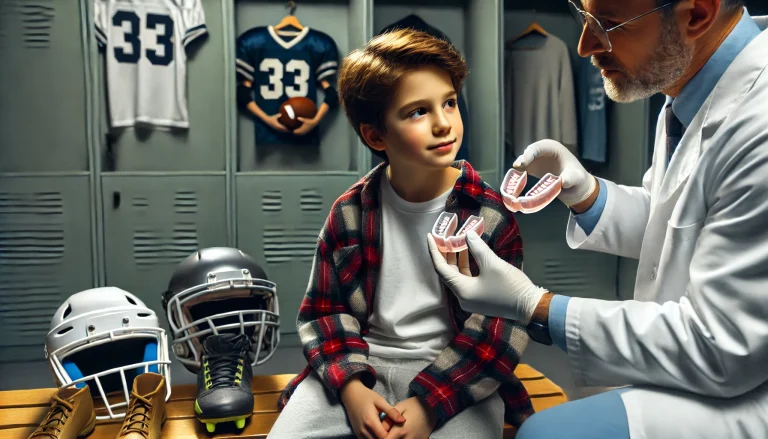
One of the most critical helmet safety tips is ensuring that your child’s helmet fits properly. A helmet that’s too loose or too tight will not provide the necessary protection during an impact. Proper fit is essential for effective protection against concussions, skull fractures, and other head injuries.
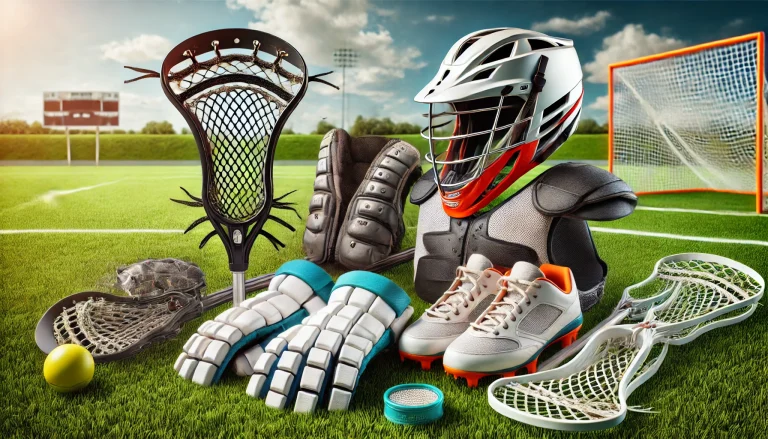
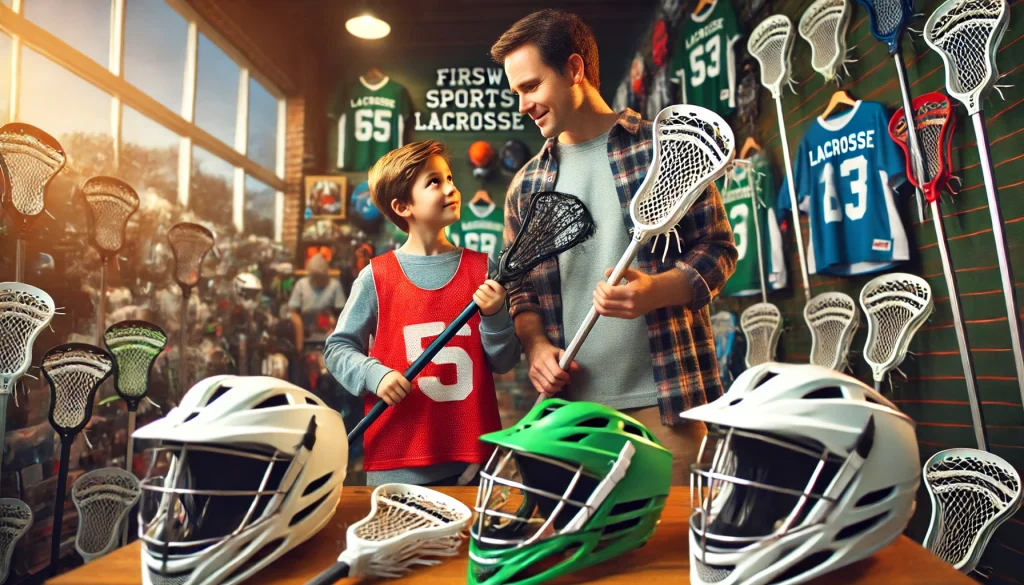
When selecting a helmet for your child, it’s important to choose one designed specifically for the sport they are playing. Helmets are made for specific sports because they have different protection needs. For example, a lacrosse helmet is designed differently from a football helmet because lacrosse requires protection for the face and eyes, while football helmets focus on impacts to the top of the head.
Proper helmet fit begins with sizing. In this helmet safety tips guide, we recommend measuring your child’s head circumference to find the right size. The helmet should sit snugly above their eyebrows, covering the entire crown of the head. The chinstrap should fit comfortably under the chin, allowing you to tighten it securely without being uncomfortable. If the helmet moves or shifts on their head, it is too loose. Conversely, if the helmet feels too tight or causes discomfort, it’s essential to try a different size.
Check for Certification and Safety Standards
A key part of these helmet safety tips is ensuring that your child’s helmet is certified and meets the required safety standards. Most sports helmets are regulated by organizations that set safety standards, such as the National Operating Committee on Standards for Athletic Equipment (NOCSAE). These organizations ensure that helmets undergo rigorous testing for impact protection, durability, and overall safety.
When purchasing a helmet, look for the certification sticker or label that confirms the helmet meets safety standards. These standards are designed to reduce the risk of injury and ensure the helmet offers the best protection. It’s also important to check the expiration date of your helmet, as helmets have a shelf life. Over time, materials inside the helmet can degrade, and the protective padding may become less effective. Replacing a helmet that has reached its expiration date or shows signs of wear is crucial for your child’s safety.
Additionally, ensure that your helmet is free from any cracks, dents, or visible damage. Even if the helmet is not yet expired, a cracked or damaged helmet can significantly reduce its ability to protect your child in the event of an impact. Regularly inspecting the helmet for damage is one of the most important helmet safety tips you can follow.
Helmet Fit Check: Helmet Safety Tips
It’s essential to regularly check that your child’s helmet fits correctly before each game or practice. Over time, a helmet may loosen due to wear or shifting, and it’s important to ensure that it’s properly adjusted to provide maximum protection. Here are a few helmet safety tips to follow before your child hits the field:
Adjust the Straps and Chin Strap
The chinstrap plays a crucial role in keeping the helmet securely in place during gameplay. Before every session, make sure the chinstrap is fastened properly. The strap should be snug but not overly tight, ensuring that the helmet stays in place without restricting breathing or movement.
Check the Padding
Helmets are equipped with padding that helps absorb impact and protect the head. Over time, padding can break down or become less effective, so it’s important to check it regularly. In this helmet safety tips guide, we recommend checking the padding for any signs of wear or damage. If the padding feels compressed, or if you notice any cracks or tears, it’s time to replace the padding or the helmet.
Move the Helmet to Test Fit
To test if the helmet fits properly, have your child move their head around while the helmet is on. Gently try to move the helmet from side to side and front to back. If the helmet moves too much, it may be too loose. If it’s tight and uncomfortable, it could be causing unnecessary pressure on their head and should be adjusted or replaced.
Test the Helmet in Action
The best way to ensure proper fit is to have your child wear the helmet during practice or a game. Pay attention to any discomfort, shifting, or difficulty in movement. A well-fitted helmet should feel snug and secure but allow for comfortable movement. If your child experiences discomfort or the helmet feels like it’s moving too much, it’s important to address the fit before the next session.
Helmet Maintenance: Keeping Your Child Safe Throughout the Season
Just like proper fit, helmet maintenance is crucial for safety. In this helmet safety tips guide, we’ll walk you through some simple maintenance steps to keep your child’s helmet in top condition for the entire season.
Clean the Helmet Regularly
One of the simplest maintenance steps is regular cleaning. Dirt, sweat, and debris can accumulate on your child’s helmet over time, reducing its effectiveness and comfort. Clean the helmet regularly using mild soap and water, and avoid using harsh chemicals that could damage the materials. Pay special attention to the inner padding and straps, as these areas can trap sweat and bacteria.
Store the Helmet Properly
Proper storage is another key aspect of helmet maintenance. Store the helmet in a cool, dry place away from direct sunlight and extreme temperatures. Never leave a helmet in a hot car, as excessive heat can degrade the materials and weaken its protective abilities. When not in use, keep the helmet in a protective bag or on a helmet rack to prevent unnecessary damage.
Inspect the Helmet After Each Use
After every practice or game, inspect the helmet for any signs of damage. Look for cracks, dents, or missing padding. If you notice any issues, it’s essential to address them immediately to ensure that your child’s helmet continues to provide effective protection. Regularly inspecting the helmet is one of the best helmet safety tips to ensure that it’s in optimal condition.
Helmet Replacement: When to Buy a New One
No helmet lasts forever, and it’s important to replace your child’s helmet when it reaches the end of its lifespan. Here are some signs that it’s time for a new helmet:
- Visible Damage: If the helmet has cracks, dents, or significant wear, it’s time to replace it.
- Expired Certification: Helmets have expiration dates, and once they’re past that date, they no longer meet safety standards.
- Poor Fit: If the helmet no longer fits your child properly or they’ve outgrown it, it’s time to get a new one.
Regularly following these helmet safety tips and replacing the helmet when necessary will ensure that your child remains safe on the field.
Understanding Helmet Technology: Helmet Safety Tips
When choosing a helmet for your child, it’s important to understand how advanced technology and features can improve safety. Helmets have come a long way in recent years, with innovations designed to offer better protection from impacts and reduce the risk of concussions. Understanding the technology behind helmets will help you make a more informed decision when purchasing new equipment for your young athlete.
Impact-Absorbing Technology
One of the most important advancements in helmet safety is the development of impact-absorbing materials. Many modern helmets are designed with multi-layer padding systems that help distribute the force of a hit more evenly across the helmet. This type of padding is specifically engineered to reduce the force transferred to the skull during an impact, which helps lower the risk of concussions and other head injuries.
Final Thoughts on Helmet Safety Tips
Choosing the right helmet for your child is one of the most important decisions you’ll make as a sports parent. Following proper helmet safety tips is crucial in ensuring that your child remains protected on the field. A well-fitted helmet, combined with regular maintenance and checks, can prevent serious injuries, such as concussions and skull fractures, which are common in contact sports. By making sure the helmet fits properly and checking it before every game, you are providing your child with the best protection possible.
Incorporating the helmet safety tips we’ve discussed in this guide will help ensure that your child’s helmet is always in top condition. Remember, the helmet is not just a piece of equipment; it’s a safety tool that will protect your child from potential injuries. By regularly inspecting the helmet for damage, ensuring the straps and chinstraps are securely fastened, and making sure the helmet fits snugly, you can rest assured that your child’s head is well-protected while they play.
Lastly, understanding the latest innovations in helmet technology can make a world of difference. Advanced features like impact-absorbing technology, adjustable fit systems, and face masks can enhance the level of protection your child receives. By following these helmet safety tips, you are not only prioritizing your child’s safety but also investing in their comfort and confidence. With the right helmet and proper care, your child can enjoy the sport safely and focus on honing their skills.
STXZ private lessons
Find a lacrosse coach near you
Private lessons with independent coaches, booked and paid through STXZ.
- 01Share your goalsYour player’s age, level, goals and the days that work for your family.
- 02Get matchedWe match you with an independent, background-checked coach near you.
- 03Start lessonsMeet at a field close to home, with you or another adult you choose there for every lesson.