Getting ready for the start of lacrosse season is an exciting time filled with anticipation, nerves, and opportunity. Whether your child is a returning player or gearing up for their very first season, a solid lacrosse season prep routine can make all the difference. Preparation isn’t just about showing up to tryouts—it’s about creating habits, building confidence, and getting physically and mentally game-ready.
Tryouts and the first game of the season can feel overwhelming, especially if players aren’t sure what to expect or how to train in the weeks leading up to it. That’s where a thorough lacrosse season prep strategy comes into play. Focusing on conditioning, skills, mindset, nutrition, and gear ensures athletes walk onto the field ready to compete—and most importantly, enjoy the sport.
In this guide, we’ll break down what a successful lacrosse season prep should include, covering everything from physical training and technical drills to mental preparation and gear checks. Whether your goal is to make the team, become a starter, or simply grow more confident, this blog will help you create a clear, effective plan.
Building a Preseason Conditioning Plan
Lacrosse is one of the most physically demanding sports. Players need speed, stamina, agility, and strength to succeed in nearly every position. A strong lacrosse season prep plan starts with building the fitness base necessary to withstand the pace of games and practices.
Cardio is crucial, so include running, biking, or swimming to build endurance. Interval training, which mirrors the stop-and-go pace of lacrosse, is particularly helpful. Sprint drills, such as suicides or shuttle runs, mimic real in-game bursts and help prepare players for transitions and fast breaks.
In addition to cardio, strength training should be part of every lacrosse season prep routine. Focus on core strength, lower-body power, and upper-body stability. Exercises like squats, lunges, pushups, and planks can be done at home and go a long way in preventing injury and improving performance.
Sharpening Lacrosse Skills Before Tryouts
Skill work is the heart of any effective lacrosse season prep plan. Coaches will be evaluating not just fitness, but also stick handling, passing, catching, shooting, and defensive technique. Getting comfortable with your stick before tryouts will make a lasting impression.
Wall ball is one of the most recommended drills and can be done almost anywhere. Players should aim to spend 15–30 minutes a day passing and catching with both hands, focusing on consistency and control. Add in variations like one-handed catches, quick sticks, and off-hand reps to increase difficulty.
Also include targeted skill drills based on your position. Attackers can work on shooting accuracy, dodging, and quick releases. Midfielders should blend offensive and defensive drills, while defenders can focus on footwork, poke checks, and ground ball technique. The more well-rounded the skill set, the better the performance at tryouts and early games.
Mental Preparation and Confidence Building
Physical readiness is only part of the equation. Mental toughness plays a massive role in success on the field. Building confidence, focus, and resilience should be a major part of your lacrosse season prep strategy—especially leading up to tryouts and the first game.
Players can prepare mentally by setting realistic goals for the season. Whether it’s making varsity, becoming a starter, or simply improving in one area of the game, having a goal helps players stay motivated. Visualization is another helpful tool. Athletes can take a few minutes each day to mentally walk through successful plays, clears, goals, or ground ball wins.
Tryouts are often nerve-wracking, so practicing composure under pressure is important. Simulate game-like scenarios with friends or during training to develop comfort and confidence. Mindset matters, and players who approach the season mentally ready tend to stand out during tryouts.
Gear and Equipment Checklist
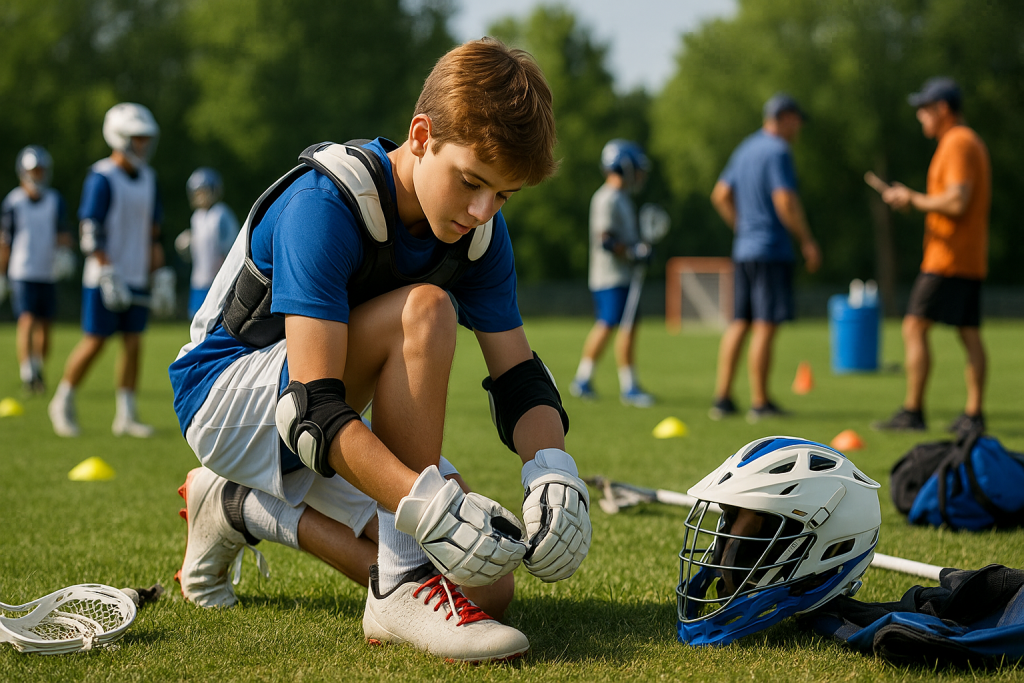
No lacrosse season prep would be complete without making sure all equipment is in top shape. Arriving at tryouts with a properly strung stick, clean cleats, and fitting protective gear ensures players can focus on performing—not adjusting or fixing gear.
Before the season starts, check the following:
- Is your stick legal and game-ready?
- Does your helmet or goggles fit securely and comfortably?
- Are your gloves and pads free of damage?
- Are your cleats in good shape, or do they need replacing?
Don’t wait until the night before tryouts to do a gear check. Make sure everything is working, comfortable, and compliant with team or league rules. Parents can also help younger players create a gear checklist so nothing gets forgotten.
Nutrition and Hydration for Lacrosse Prep
Fueling the body properly plays a huge role in how well players perform during tryouts and early games. Lacrosse season prep should include a focus on eating nutrient-rich foods and staying hydrated, especially in the week or two leading up to the season.
Carbohydrates provide energy, while protein supports muscle repair and recovery. Meals should include complex carbs like brown rice or whole grains, lean proteins such as chicken or eggs, and healthy fats like avocado or nuts. Pre-practice snacks might include bananas, granola bars, or peanut butter toast.
Hydration needs to start well before tryouts. Players should drink water throughout the day—not just before and after practices. Dehydration can affect focus, energy, and stamina. Encourage kids to carry a water bottle with them to school and refill it often.
Creating a Preseason Practice Schedule
A key part of lacrosse season prep is consistency. Creating a weekly routine that balances skill work, conditioning, rest, and recovery sets the foundation for a successful season. Instead of cramming everything into one or two long sessions, spread it out.
Here’s an example of a basic preseason weekly structure:
- Monday: Skill drills + light cardio
- Tuesday: Conditioning + stick work
- Wednesday: Strength training + rest
- Thursday: Wall ball + scrimmage play
- Friday: Recovery/stretching + stick skills
- Saturday: Full practice or game scenario drills
- Sunday: Rest and review
Every player’s schedule will look different depending on availability, goals, and age—but the key is consistency. A well-balanced routine helps prevent burnout and maximizes improvement.
What Coaches Are Looking for at Tryouts
When tryouts begin, coaches aren’t just evaluating raw talent. A big part of lacrosse season prep is understanding what coaches are actually watching for—and preparing accordingly. Effort, attitude, coachability, and communication are often just as important as stick skills.
Players should arrive early, show enthusiasm, and listen attentively. Hustle on every drill, support teammates, and demonstrate leadership—even if it’s just cheering someone on. Coaches appreciate athletes who are positive, adaptable, and willing to learn.
During drills or scrimmages, focus on doing the small things right. Proper form, smart decisions, and playing with intensity will always get noticed. Skill can be taught—but a great attitude and strong work ethic are traits coaches love to build a team around.
Preparing for the First Game
Once you make the team, the next phase of lacrosse season prep is getting ready for that all-important first game. Preseason training is about building habits and sharpening fundamentals, but now it’s time to apply those skills in a real match setting.
Game preparation includes studying positions, reviewing plays, and understanding team strategies. Coaches may introduce systems for clears, rides, or offensive sets, and players should take time to understand how they fit into those schemes. Film review—if available—can also be a helpful learning tool.
Mentally, focus on excitement rather than pressure. The first game is a fresh start. Remember all the work put in during lacrosse season prep, trust your training, and just play your game. Confidence grows through action—and every game is a chance to improve.
Rest and Recovery: Avoiding Burnout Before the Season Begins
While it’s tempting to go all-out every day, a smart lacrosse season prep plan should include dedicated rest and recovery time. Overtraining can lead to fatigue, decreased performance, and even injury. Rest isn’t a sign of weakness—it’s a critical part of building strength, stamina, and resilience.
Young athletes, in particular, benefit from structured recovery routines. This includes full rest days, proper sleep habits, and active recovery like stretching, yoga, or light mobility work. Quality sleep is especially vital; it supports muscle repair and mental focus, both of which are essential for success at tryouts and early-season games.
Incorporating recovery into your lacrosse season prep also helps prevent burnout. When players listen to their bodies and take time to recharge, they show up more energized and focused. This approach helps build long-term consistency, which is far more valuable than short-term intensity that leads to exhaustion.
Communicating With Coaches and Setting Expectations
A sometimes overlooked but incredibly important part of lacrosse season prep is effective communication—especially with coaches. Athletes who can clearly express their goals, ask questions, and show initiative often stand out from the crowd before they even step on the field.
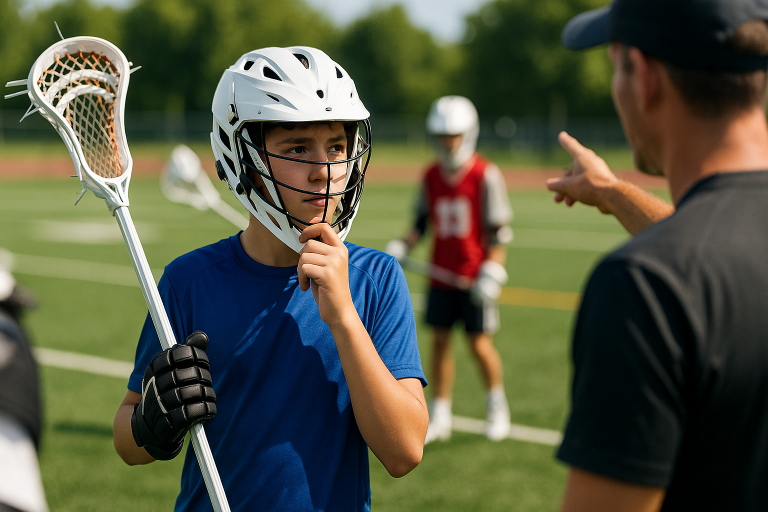
Before tryouts begin, players should feel comfortable introducing themselves to the coaching staff. A simple conversation about where they play, what they’ve been working on, or what they hope to improve shows maturity and commitment. It also helps coaches better understand where each athlete fits within the team.
During practices or scrimmages, players should never hesitate to ask for feedback or clarification. Coaches appreciate athletes who are engaged and eager to learn. Developing strong communication habits during lacrosse season prep fosters trust, respect, and leadership—and those qualities can be just as important as physical skill when roster spots are being decided.
Final Thoughts on Lacrosse Season Prep
A successful lacrosse season starts well before the first whistle. By investing in proper lacrosse season prep, athletes can approach tryouts with confidence and step into game day feeling strong, ready, and focused. Preparation isn’t about perfection—it’s about putting in the work consistently and building toward something bigger.
From improving stick skills and conditioning to fueling your body and locking in the right mindset, every step taken before the season begins makes a difference. Tryouts and early practices set the tone, and players who show up prepared are far more likely to have a rewarding and enjoyable season.
So whether you’re aiming to make the starting lineup, be a standout leader, or simply become a better teammate, prioritize your lacrosse season prep. It’s the first—and one of the most important—steps in making this your best lacrosse season yet.
STXZ private lessons
Find a lacrosse coach near you
Private lessons with independent coaches, booked and paid through STXZ.
- 01Share your goalsYour player’s age, level, goals and the days that work for your family.
- 02Get matchedWe match you with an independent, background-checked coach near you.
- 03Start lessonsMeet at a field close to home, with you or another adult you choose there for every lesson.