Lacrosse is a high-energy sport that combines speed, agility, strength, and strategic thinking. But what happens when the season ends? For many young athletes, the offseason can feel like a break—or even a setback—when it comes to skill development. That’s where effective lacrosse offseason training comes in. The right approach keeps kids engaged, helps them improve, and ensures they’re ready to hit the field at full speed when the new season begins.
For parents, coaches, and players alike, lacrosse offseason training is more than just staying in shape. It’s an opportunity to fine-tune fundamentals, explore new areas of growth, and maintain a connection to the game without the pressure of in-season competition. Plus, staying active during the offseason builds healthier habits, prevents burnout, and promotes overall athletic development.
Whether your child is playing for fun, aspiring to join a competitive team, or dreaming of college lacrosse, a solid offseason routine will make all the difference. This guide will walk you through how to keep your young athlete motivated, challenged, and excited to keep improving year-round.
Why Lacrosse Offseason Training Matters
The offseason often feels like a natural break from structure and routine, but it can also be one of the most productive times for athletic growth. Without the time constraints of practices and games, players have the flexibility to slow down, focus on technique, and explore areas that need improvement. This is exactly why lacrosse offseason training should be seen as a key component of long-term development.
In-season schedules are typically packed, leaving little room for experimentation or individual skill work. Offseason training, on the other hand, allows kids to take ownership of their progression. It’s a chance to build muscle memory, increase speed and stamina, and reinforce healthy movement patterns that will translate directly into on-field performance.
Incorporating lacrosse offseason training also reduces the risk of early specialization injuries. By engaging in well-rounded conditioning, players build strength, flexibility, and body awareness that helps them avoid overuse injuries and return to the season stronger and more resilient.
Setting Goals for the Offseason
One of the best ways to keep kids motivated during lacrosse offseason training is by helping them set clear, realistic goals. These goals don’t have to be overly complex—they just need to be personal and achievable. Setting small milestones gives players a sense of purpose and structure, helping them stay engaged even when practices aren’t on the calendar.
Types of offseason goals could include:
- Improving shot accuracy or adding new shot techniques
- Increasing running speed or footwork agility
- Building upper body strength or core stability
- Practicing stick handling with both hands
- Learning game IQ through film review or playbook study
Encourage your child to write down their goals and track progress weekly. Visual progress charts, journaling, or using training apps can make the process fun and keep kids invested in their own development.
Building a Balanced Offseason Training Schedule
Lacrosse offseason training should be well-rounded, focusing on multiple areas of athletic development. A good routine balances skill work, physical conditioning, rest, and even mental performance. The key is consistency—training doesn’t have to be every day, but it should be regular and purposeful.
Here’s an example of a balanced weekly routine:
- 2–3 days of stick skill sessions (wall ball, cradling, dodging)
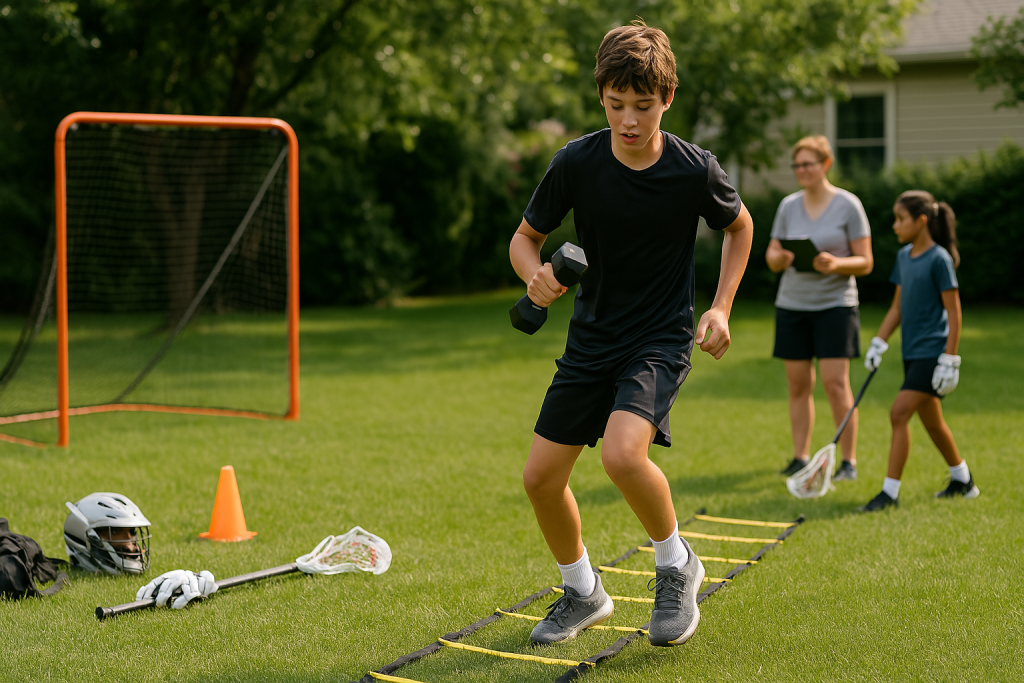
- 2 days of strength or conditioning (bodyweight workouts, resistance bands, running)
- 1–2 days of cross-training or other sports (basketball, soccer, swimming)
- 1 rest day with optional light stretching or yoga
This mix keeps things fresh and avoids burnout while still reinforcing core lacrosse skills. The best lacrosse offseason training routines are sustainable, engaging, and flexible enough to fit into a family’s schedule.
Stick Skills: The Foundation of Offseason Progress
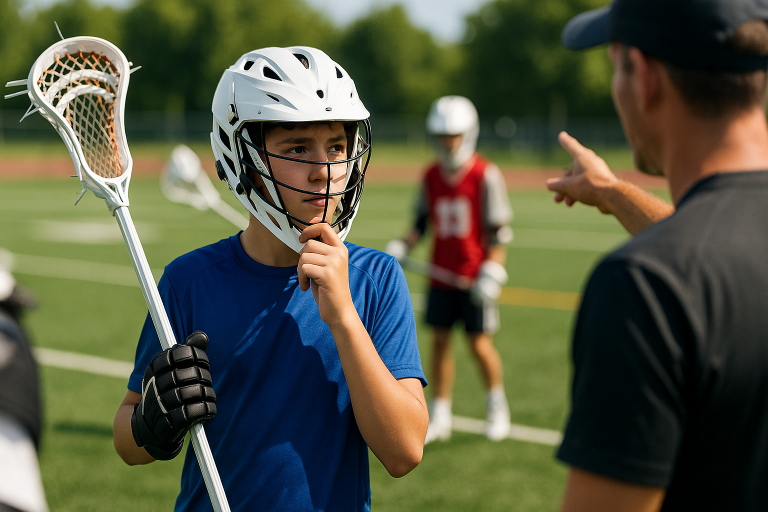
One of the easiest and most effective elements of lacrosse offseason training is regular stick work. Players can improve dramatically by practicing wall ball, ground balls, catching, throwing, and shooting without needing a full team or fancy equipment.
Wall ball is especially powerful because it can be done just about anywhere. By setting time goals (e.g., 15 minutes a day) and tracking reps with both hands, players can build hand-eye coordination and confidence.
Stick skill drills to incorporate:
- Quick-stick passes
- One-handed cradles
- Behind-the-back catches
- Off-hand repetitions
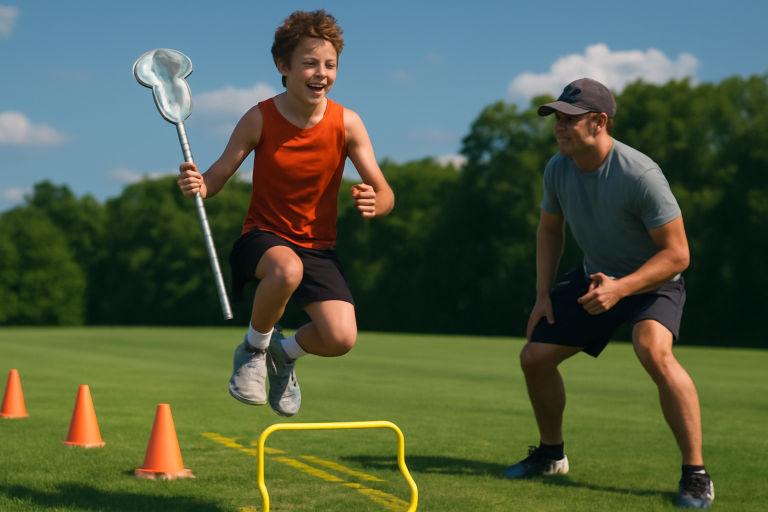
- Shooting on the run using cones or targets
Adding variety keeps kids from getting bored while ensuring they’re refining essential muscle memory. These basic drills, repeated consistently, can elevate a player’s game more than almost anything else in lacrosse offseason training.
Strength and Conditioning for Lacrosse Players
Lacrosse requires explosive power, endurance, and total-body strength. Offseason is the perfect time to focus on physical conditioning without the strain of weekly games. Integrating age-appropriate strength and speed training into your child’s lacrosse offseason training can dramatically improve their performance when they return to the field.
For younger athletes, bodyweight exercises like pushups, planks, lunges, and squats build foundational strength without the need for heavy equipment. As players get older and more advanced, they can introduce resistance training and agility-focused workouts.
Key areas to train:
- Core stability for balance and shooting
- Leg strength for sprinting and change of direction
- Shoulder and arm endurance for passing and checking
- Cardio stamina for full-field play
Just two or three sessions per week can yield noticeable gains while building overall fitness. Make sure workouts include warm-ups and cooldowns to reduce the risk of injury and enhance recovery.
Incorporating Other Sports and Cross-Training
One of the best lacrosse offseason training strategies is to step away from the lacrosse field entirely—at least part of the time. Playing other sports or participating in different activities can benefit lacrosse players in surprising ways.
Sports like basketball, soccer, and hockey help reinforce similar movement patterns, hand-eye coordination, and strategic thinking. Cross-training builds athletic diversity and prevents overuse injuries that can result from single-sport repetition.
Fun and effective cross-training options:
- Basketball for agility and passing skills
- Soccer for footwork and field awareness
- Swimming for low-impact cardio and core work
- Martial arts or gymnastics for balance and control
Encouraging variety during lacrosse offseason training doesn’t take away from progress—it enhances it. And it helps keep kids excited to return to lacrosse with a fresh perspective.
Maintaining Motivation and Avoiding Burnout
One of the most common challenges with lacrosse offseason training is keeping kids motivated without pushing them too hard. Offseason should still feel like a break—it’s just a more active one. The last thing you want is for your child to associate the sport with pressure or fatigue.
To keep things enjoyable:
- Let kids have a say in their schedule and mix up their activities
- Create mini-challenges or friendly competitions to add excitement
- Celebrate progress with small rewards or praise
- Join them when possible—shoot around together or go for runs as a family
Remember, the goal of lacrosse offseason training is long-term development. Some weeks will be more productive than others, and that’s okay. What matters most is building a routine that your child enjoys and can maintain over time.
Mental Training and Lacrosse IQ
Physical development is only one part of being a great player. Offseason is also a great time to sharpen mental skills, improve game awareness, and learn more about strategy. Integrating mental training into your child’s lacrosse offseason training can give them a serious edge come game day.
Here’s how to do it:
- Watch game film or highlight reels together and discuss plays
- Encourage reading or journaling about goals, mindset, or game experiences
- Use visualization techniques to help players mentally rehearse game scenarios
- Review rules and strategy guides to increase lacrosse IQ
These off-field efforts help young athletes approach the game with more confidence, better decision-making, and stronger leadership skills.
Nutrition and Recovery During the Offseason
One key element often overlooked in lacrosse offseason training is how nutrition and recovery contribute to progress. While skill work and conditioning are essential, rest and proper fueling are what allow the body to grow stronger, recover faster, and stay healthy throughout the year.
During the offseason, athletes may not be burning as many calories as they do during the peak of the season, but that doesn’t mean they should ignore their diet. A balanced nutrition plan supports energy levels, muscle recovery, and mental focus. Encourage meals rich in lean protein, whole grains, healthy fats, and plenty of fruits and vegetables. Hydration is equally important—especially during training sessions and hot-weather months.
Recovery also plays a crucial role in maximizing gains and preventing burnout. Consider adding these habits to your athlete’s lacrosse offseason training routine:
- Stretching or light yoga after workouts to promote flexibility
- Foam rolling to reduce muscle soreness and increase circulation
- Quality sleep of 8–10 hours per night for optimal recovery
- Rest days built into the weekly schedule to allow full physical and mental recharge
Teaching young athletes to care for their bodies as part of training sets a foundation for long-term success—not just in lacrosse, but in all aspects of life.
Final Thoughts on Lacrosse Offseason Training
Lacrosse offseason training isn’t about grinding nonstop or turning fun into obligation—it’s about giving young players the tools and freedom to grow, learn, and stay connected to the game year-round. A well-rounded training routine helps build physical strength, sharpen skills, and foster personal discipline without burning kids out or overwhelming the family.
When approached with the right mindset, lacrosse offseason training becomes more than just preparation—it becomes part of a lifestyle. It teaches responsibility, goal setting, and resilience, and it keeps kids focused while still allowing room for rest and play. Whether your athlete is brand new or years into the game, there’s always something to work on—and the offseason is the perfect time to do it.
So as the season winds down, don’t let momentum fade. Embrace the offseason as a valuable opportunity to support your athlete’s development in fun, meaningful, and manageable ways. With the right lacrosse offseason training approach, your child will step onto the field next season more prepared, more confident, and more excited than ever to play.
STXZ private lessons
Find a lacrosse coach near you
Private lessons with independent coaches, booked and paid through STXZ.
- 01Share your goalsYour player’s age, level, goals and the days that work for your family.
- 02Get matchedWe match you with an independent, background-checked coach near you.
- 03Start lessonsMeet at a field close to home, with you or another adult you choose there for every lesson.