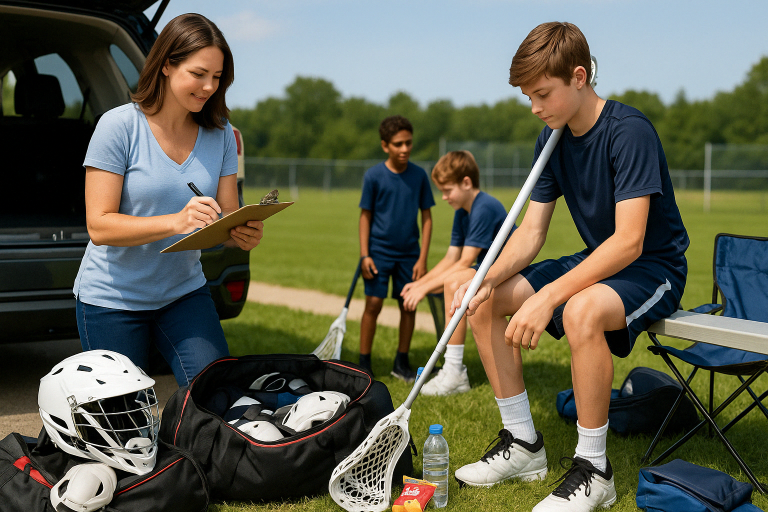
Being a lacrosse parent is more than just driving your child to practices and cheering from the sidelines. It’s about becoming part of your child’s journey in a way that uplifts, supports, and motivates them—without adding unnecessary pressure. Whether your athlete is just picking up a stick or playing on a competitive travel team, your role as a parent matters more than you might think.
From managing emotions after tough losses to navigating club team tryouts and keeping weekends organized during tournament season, lacrosse families have a lot on their plates. But with the right guidance, your support can become one of the strongest assets your child has as they grow in the sport.
This guide shares practical, actionable lacrosse parent tips that go beyond the basics. These strategies will help you be present, informed, and supportive while empowering your athlete to develop independence, confidence, and a lifelong love for the game.
Understanding Your Role as a Lacrosse Parent
Before offering sideline advice or post-game feedback, it’s important to first understand your role. One of the most effective lacrosse parent tips is to recognize that you’re not the coach, trainer, or official—your job is to be a consistent, supportive presence.
When parents start to coach from the sidelines, critique every play, or compare their child to others, it can backfire. Players begin to feel pressure instead of support. This can affect performance, motivation, and enjoyment of the game. Young athletes often thrive most when they know their parents are there to encourage, not evaluate.
Instead, focus on building trust and emotional safety. Let your child come to you when they want advice. Keep your post-game feedback light unless they ask for something specific. Most importantly, show them you value their effort more than their stats. This mindset is central to almost every piece of effective lacrosse parent tips you’ll find.
Balancing Encouragement with Independence
A big part of your job as a sports parent is learning how to encourage without hovering. While it’s natural to want to help, one of the most valuable lacrosse parent tips is to give your player space to make mistakes and learn from them.
Let your child take ownership of packing their gear, managing their schedule, and communicating with coaches. This not only builds independence but also helps them take the sport more seriously. By trusting them with responsibility, you reinforce that this is their journey—not yours.
Support should look like helping when they ask, not doing everything for them. Over time, this fosters confidence, resilience, and decision-making—skills that benefit them on and off the field. Your presence should empower, not overshadow.
Being a Positive Sideline Presence
How you act on the sidelines sends a powerful message to your athlete—and to everyone else watching. One of the top lacrosse parent tips is to model calm, respectful behavior during games, especially when tensions run high.
Shouting at referees, criticizing coaches, or reacting strongly to mistakes doesn’t help your child—it adds stress. Your athlete needs to know that you’re steady, positive, and focused on their growth, not the scoreboard.
Here’s how to be a positive sideline supporter:
- Cheer effort, not just outcomes
- Applaud good plays from both teams
- Stay quiet during tense moments
- Avoid coaching or giving instructions from the stands
Remember, your child hears your voice more than anyone else’s. Make it one of encouragement and pride, no matter the result.
Managing the Emotional Highs and Lows
Sports can be emotional—for both players and parents. Games can be exhilarating or frustrating, wins can feel amazing, and losses can sting. One of the most compassionate lacrosse parent tips is to help your child process these emotions in a healthy, supportive way.
Avoid rushing in with solutions or critiques after a tough loss. Give your athlete space to feel what they’re feeling. When they’re ready to talk, ask questions that encourage reflection: “What did you learn?” or “What do you think went well today?” These questions show you’re there to listen, not judge.
Celebrating success is important too—but keep it balanced. Praise hard work, hustle, and sportsmanship over goals and wins. This approach teaches your child that effort and growth matter more than numbers, which builds long-term motivation and self-worth.
Helping Your Athlete Set Healthy Goals
Lacrosse can be highly competitive, especially as players get older and start thinking about club teams, varsity rosters, or college opportunities. One of the most constructive lacrosse parent tips is to guide your child in setting goals that are meaningful and manageable.
Rather than pushing for external benchmarks like being the team captain or scoring a certain number of goals, encourage your player to set personal performance goals. These could include improving stick skills, running a faster mile, or becoming a more vocal teammate.
Work with them to track progress and celebrate small wins. This keeps motivation high and helps them focus on their own development rather than comparison. Helping your athlete develop a growth mindset is one of the most powerful tools you can give them as a parent.
Navigating Team Selection and Playing Time
As your child advances in lacrosse, there may be times when they don’t make the team they hoped for or don’t get as much playing time as expected. One of the most challenging lacrosse parent tips is learning how to support them through disappointment without stepping into the coach’s role.
If your athlete feels overlooked, validate their feelings—but also encourage reflection and resilience. Help them look at what they can control: attitude, effort, and continued improvement. These situations, while tough, are often where the most growth happens.
Avoid blaming coaches or teammates. Instead, help your child see every setback as a setup for a comeback. When parents keep their focus on character-building rather than entitlement, kids learn to persevere and stay motivated.
Fostering a Love for the Game: Lacrosse Parent Tips
Not every young lacrosse player will go on to play at the college level or receive awards—but that doesn’t mean their experience is any less valuable. One of the best long-term lacrosse parent tips is to help your child develop a genuine love for the sport.
Encourage pickup games, backyard stick work, or watching lacrosse together. Expose them to different positions, styles of play, and inspiring athletes. Remind them often of why they started playing in the first place: fun, friends, and the thrill of competing.
When parents emphasize love of the game over pressure to perform, athletes are more likely to stick with the sport longer, enjoy it more, and find deeper personal meaning in their journey.
Handling Lacrosse Schedules and Travel Stress
From weekend tournaments and late-night practices to long car rides and chaotic game days, being a lacrosse parent can feel like a full-time job. One of the most practical lacrosse parent tips is to stay organized and plan ahead.
Use a shared calendar to keep track of practice times, tournament weekends, and travel logistics. Pack gear the night before, prep meals in advance, and don’t hesitate to carpool or split hotel rooms with other families when possible.
When things get hectic, take a deep breath and remember that your support makes this all possible. Being a steady, calm presence in the background allows your athlete to focus on playing—and that’s the greatest gift you can give them.
Communicating With Coaches Respectfully: Lacrosse Parent Tips
Open communication with coaches can be helpful, but it’s important to do it the right way. One of the most respectful lacrosse parent tips is to approach conversations professionally and with your child’s development in mind—not your own frustrations.
If your child has a concern, encourage them to speak directly to the coach first. This teaches independence and maturity. If a parent meeting is necessary, request it calmly, away from the field, and focus on asking questions rather than making demands.
Respectful communication builds stronger relationships between families and coaching staff—and that kind of collaboration ultimately benefits your child the most.
Final Thoughts on Lacrosse Parent Tips
Supporting a young lacrosse player goes far beyond showing up to games or driving them to practice. It’s about being a steady, encouraging presence through every win, loss, hard workout, and breakthrough moment. With the right approach, parents can play a powerful role in shaping their child’s experience in a way that is positive, balanced, and fulfilling. That’s the heart of what these lacrosse parent tips are all about—building a foundation of support that helps your athlete thrive.
Every child’s lacrosse journey is different, and your parenting style should reflect that. Some players may need a confidence boost after a tough game, while others may need gentle reminders to stay focused or organized. The most effective lacrosse parent tips emphasize flexibility and emotional awareness—knowing when to step in, when to step back, and how to communicate in a way that empowers rather than pressures.
Remember, your child isn’t just learning how to scoop ground balls or shoot on goal—they’re learning how to deal with adversity, work with teammates, and grow from feedback. How you show up as a parent has the potential to shape not only their love of lacrosse but their character as a young person. Use these lacrosse parent tips to reinforce the values that matter most: effort, sportsmanship, accountability, and joy.
At the end of the day, your child will remember how you made them feel far more than any game outcome. They’ll remember your encouragement during hard moments, your cheers during their wins, and the way you supported them no matter what. When you parent with intention, patience, and heart, your influence becomes one of the most impactful parts of their lacrosse experience—and that’s something truly worth celebrating.
STXZ private lessons
Find a lacrosse coach near you
Private lessons with independent coaches, booked and paid through STXZ.
- 01Share your goalsYour player’s age, level, goals and the days that work for your family.
- 02Get matchedWe match you with an independent, background-checked coach near you.
- 03Start lessonsMeet at a field close to home, with you or another adult you choose there for every lesson.