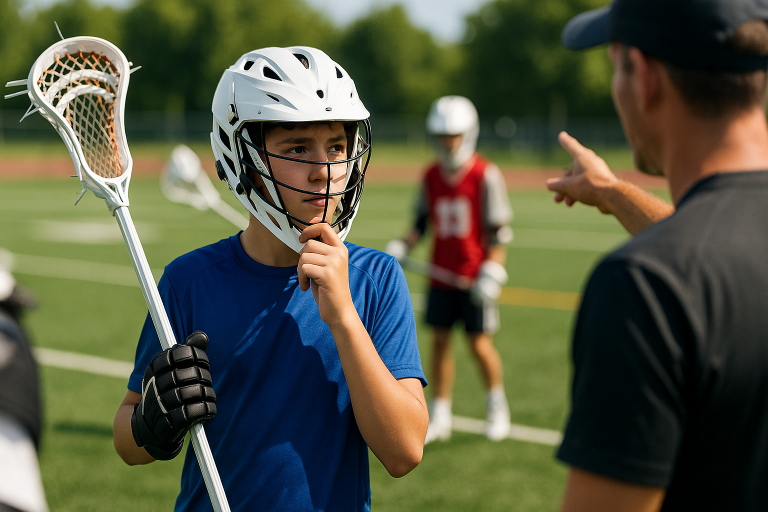
As the new lacrosse season approaches, players at all levels need to ensure they have a complete and well-organized lacrosse equipment checklist. The right gear isn’t just about showing up prepared—it’s about optimizing your performance, ensuring your safety, and giving yourself every possible advantage on the field. Whether you’re a first-time player or a seasoned competitor, overlooking even one essential item can mean the difference between a standout season and constant frustration. This guide will walk you through every piece of equipment you need, explaining why each item matters and how to choose the best options for your position and playing style.
Creating a thorough lacrosse equipment checklist requires more than just throwing a stick and helmet in your bag. Today’s game demands specialized gear designed for maximum protection, enhanced performance, and lasting durability. From position-specific sticks to moisture-wicking base layers, every item serves a purpose in helping you play your best. We’ve organized this checklist into clear categories so you can methodically prepare for the season, whether you’re shopping for new gear or taking inventory of what you already own. You’ll learn not just what to buy, but what features to look for in each piece of equipment.
By the time you finish reading this lacrosse equipment checklist, you’ll have a complete understanding of all the gear required for success this season. We’ll cover everything from mandatory protective equipment to those extra accessories that give you an edge. More importantly, we’ll explain how different equipment choices affect your game, helping you make informed decisions based on your position, skill level, and budget. Let’s get started with the most critical category—your protective gear—because no amount of skill matters if you’re not properly protected on the field.
Protective Gear: Your First Line of Defense
No lacrosse equipment checklist would be complete without proper protective gear. Lacrosse is a fast, physical sport that demands high-quality protection to keep you safe from checks, falls, and errant shots. Your safety gear should combine maximum protection with comfortable mobility, allowing you to play your best without restriction.
The helmet is undoubtedly the most critical piece of protective equipment. Look for models that meet current NOCSAE standards with secure face masks and comfortable padding systems. Many modern helmets feature adjustable fit systems, ventilation channels, and lightweight materials that won’t fatigue your neck during long games. Remember that proper fit is crucial – your helmet should sit snugly without uncomfortable pressure points.
Shoulder pads have evolved significantly in recent years, with position-specific designs now available. Attack players often prefer lightweight, streamlined pads that maximize mobility, while defensemen typically choose more comprehensive protection. Look for articulated designs that move naturally with your body, moisture-wicking liners, and adjustable straps for a customized fit. Don’t forget to check league regulations as some have specific coverage requirements.
Additional protective items that belong on your lacrosse equipment checklist include:
- Elbow/arm pads (full coverage without restricting stick handling)
- Gloves (protective yet flexible with enhanced grip)
- Mouthguard (custom-fitted for best protection)
- Rib pads (especially valuable for midfielders)
- Athletic cup (essential for male players)
- Cleats (position-appropriate traction and support)
The Perfect Lacrosse Stick: Your Weapon of Choice
Your stick is the most personal and important tool in your lacrosse equipment checklist. The right stick setup can dramatically improve your performance, while the wrong one can hinder your development. Understanding the components and how they work together will help you make informed choices when assembling your perfect stick.
The head is where much of the magic happens. Modern heads come in various widths and stiffness levels designed for specific positions. Attack heads tend to be narrower (6-6.5″) for better ball control and shooting accuracy, while defensive heads are wider (up to 10″) for improved checking and ground ball scooping. Midfield heads strike a balance between these extremes. Pay attention to sidewall design, scoop shape, and stiffness to find a head that matches your playing style.
Shaft selection is equally important to your lacrosse equipment checklist. Materials range from affordable aluminum to high-performance scandium and carbon composites. Consider weight, grip, and durability when choosing your shaft. Many players use tape to customize their grip and mark hand positions for consistent technique. The right shaft should feel like an extension of your arms, with perfect balance for quick releases and precise passing.
The pocket deserves special attention in your lacrosse equipment checklist. Modern stringing techniques allow incredible customization of hold, release, and feel. Mesh pockets dominate today’s game, available in various materials and weave patterns that affect performance. Traditional leather stringers still have devotees who appreciate their unique characteristics. Whatever style you choose, ensure your pocket is properly broken in and meets league depth regulations.
Performance Apparel: Comfort Meets Function
While often overlooked, the right apparel belongs on every complete lacrosse equipment checklist. Modern performance fabrics and thoughtful designs can keep you comfortable, dry, and unrestricted throughout grueling practices and intense games. The right clothing choices help regulate body temperature, wick moisture, and prevent chafing or irritation.
Game jerseys have evolved far beyond basic cotton tees. Today’s performance jerseys use advanced polyester blends that pull sweat away from your body while allowing maximum airflow. Look for flatlock stitching to prevent chafing and strategic mesh panels for ventilation. Many players prefer compression shirts underneath for added muscle support and temperature regulation. Always check your league’s uniform requirements before purchasing.
For lower body apparel, most players opt for lacrosse-specific shorts with built-in compression liners. These provide support while allowing full range of motion for running, cutting, and shooting. Look for durable materials that can withstand frequent washing, with pockets designed not to interfere with movement. In colder weather, thermal compression pants or tights can be worn underneath for warmth without bulk.
Don’t underestimate the importance of proper socks in your lacrosse equipment checklist. Quality athletic socks with cushioning in key areas prevent blisters and keep feet comfortable during long games. Many players prefer socks with arch support and moisture-wicking properties. Consider packing an extra pair in your gear bag for tournaments or rainy games.
Footwear: Traction and Support Essentials
The right cleats are a game-changer in any lacrosse equipment checklist. Lacrosse demands explosive movements, rapid changes of direction, and sustained sprints – all requiring footwear that provides superior traction, support, and comfort. The wrong cleats can lead to slips, injuries, or simply subpar performance.
For natural grass fields, traditional cleats with molded or detachable studs are ideal. Look for patterns with sufficient forefoot traction for explosive starts and medial/lateral studs for cutting stability. Midfielders who cover the entire field may prefer lighter cleats, while defensemen might opt for more supportive models. Always break in new cleats gradually to avoid blisters during games.
Turf shoes have become essential in modern lacrosse as more games are played on artificial surfaces. These feature numerous small rubber nubs that provide excellent traction without the excessive stud length that can cause instability on turf. Many turf shoes incorporate advanced cushioning systems for comfort during long games on hard surfaces.
When selecting cleats for your lacrosse equipment checklist, consider:
- Ankle support (high-tops for stability vs. low-tops for mobility)
- Cleat pattern (position-specific traction needs)
- Climate considerations (waterproof options for wet conditions)
- Break-in period (don’t wear new cleats for the first time in a game)
- Spare laces (always good to have in your gear bag)
Essential Accessories: Lacrosse Equipment Checklist
Rounding out your lacrosse equipment checklist are several often-overlooked accessories that can make a big difference in your season. These practical items help with preparation, maintenance, and performance enhancement. While not always mandatory, they contribute to a more complete and professional approach to the game.
Stick maintenance supplies are invaluable for keeping your primary tool in top condition. Include tape (both grip and cloth varieties), wax for mesh pockets, and spare strings in your kit. A small multi-tool for adjusting head screws can be a game-saver during tournaments. Many players also carry a ball bag for warm-ups and a mesh shower bag for storing wet gear after games.
Hydration equipment is another critical addition to your lacrosse equipment checklist. A large, durable water bottle with measurements helps track intake during intense sessions. Some players prefer insulated bottles to keep drinks cold, while others use electrolyte tablets for extended tournaments. Never underestimate the performance impact of proper hydration.
Other valuable accessories to consider:
- Gear bag (ventilated, with separate compartments)
- Shin guards (extra protection for aggressive play)
- Arm sleeves (for sun protection or warmth)
- Eyeblack (reduces glare in sunny conditions)
- First aid kit (bandages, tape, antiseptic)
- Extra mouthguard (in case of loss or damage)
Gear Maintenance: Lacrosse Equipment Checklist
The final (but ongoing) item on your lacrosse equipment checklist is proper maintenance. High-quality gear represents a significant investment, and proper care extends its lifespan while ensuring consistent performance. Developing good maintenance habits will save you money and keep you safer on the field.
Regular cleaning should be part of your routine. Wipe down helmets and pads after each use with disinfectant to prevent bacteria growth and odors. Many pads feature removable liners that can be machine washed (always follow manufacturer instructions). For sticks, periodically clean the head and pocket to remove dirt buildup that affects performance. Never store wet equipment – always air dry everything thoroughly.
Inspect your gear frequently for signs of wear or damage. Check helmets for cracked shells or degraded padding, gloves for torn stitching, and sticks for stress fractures. Replace any compromised equipment immediately – compromised protection is worse than no protection at all. Keep an eye on cleat studs for wear and replace them before they lose traction.
Proper storage is equally important. Hang pads or store them unfolded to maintain their shape. Keep sticks in climate-controlled areas to prevent warping (never leave them in hot cars). Use shoe trees or stuff cleats with newspaper to absorb moisture and preserve their form. Consider silica gel packs in your gear bag to control humidity during storage.
STXZ private lessons
Find a lacrosse coach near you
Private lessons with independent coaches, booked and paid through STXZ.
- 01Share your goalsYour player’s age, level, goals and the days that work for your family.
- 02Get matchedWe match you with an independent, background-checked coach near you.
- 03Start lessonsMeet at a field close to home, with you or another adult you choose there for every lesson.