Choosing the best cleats for kids might seem like a simple task, but any parent who’s been down this road knows it’s far from straightforward. From sizing issues to different turf requirements and design features, there’s a lot to consider when buying cleats for young athletes. Whether your child is just starting out in lacrosse or has already joined a competitive team, their cleats can make a major difference in performance and safety.
The best cleats for kids need to check several boxes. They have to be supportive, durable, and designed for the specific sport and field surface. A poorly fitted or cheaply made cleat can lead to discomfort, slower performance, or even injury. On the flip side, a quality cleat can help boost a child’s confidence and agility while keeping them safe and secure on the field.
In this blog, we’ll break down what features matter most, how to evaluate different styles and cuts, and what to watch for in growing feet. Whether you’re shopping for your child’s first pair or replacing a worn-out favorite, understanding what makes the best cleats for kids can save you time, money, and frustration.
Why the Right Cleats Matter for Young Athletes
The best cleats for kids do more than just help them look the part. Cleats are essential for traction, balance, and mobility—especially in sports like lacrosse where quick starts, stops, and direction changes are constant. A child without the right grip can struggle to keep up with the pace of play or risk injury from slipping or unstable footing.
Footwear that doesn’t match the sport or surface can also lead to long-term problems. Kids’ joints and bones are still developing, and wearing the wrong cleats can lead to stress on growing feet, knees, and hips. While young players might not complain right away, poor footwear can lead to lingering discomfort, shin splints, or even chronic joint pain over time.
When evaluating the best cleats for kids, look for cleats that are designed for the sport your child plays. Multi-purpose cleats may seem convenient, but sport-specific designs offer better performance and protection tailored to the unique movements of that game.
Fit and Comfort: The Foundation of a Good Cleat
Fit is one of the most important aspects when looking for the best cleats for kids. Children’s feet grow rapidly, and squeezing into last season’s pair just to save money can backfire quickly. A poor fit can cause blisters, foot pain, and even lead to improper form on the field.
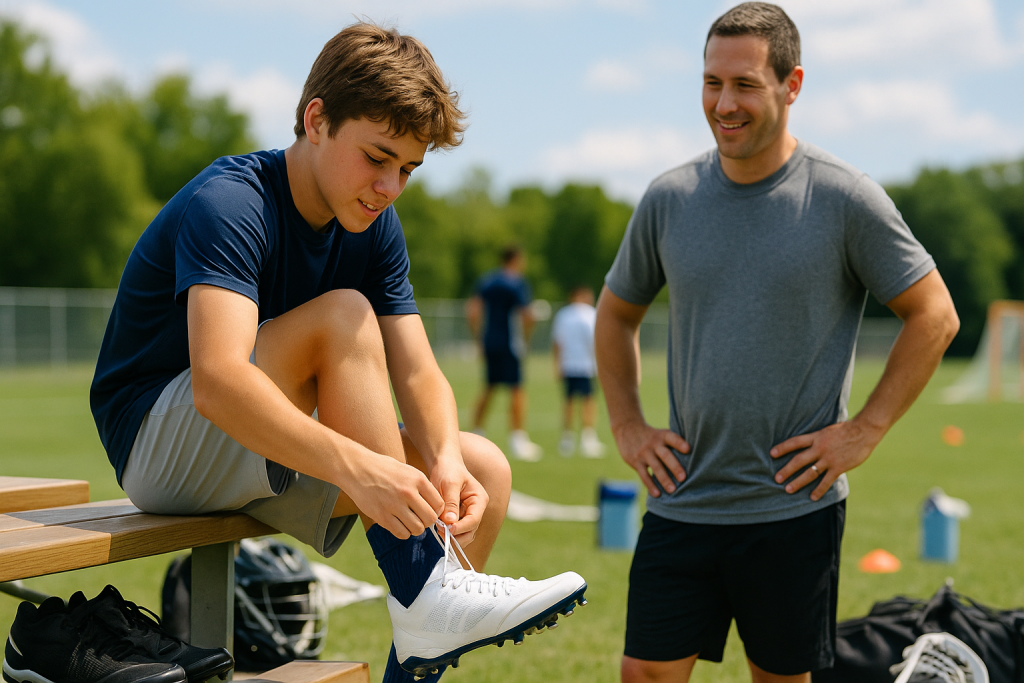
The best way to ensure a proper fit is to have your child try cleats on with the socks they’ll wear during games. Their toes should not touch the end of the shoe, and there should be just enough room to wiggle them. The heel should feel snug to avoid sliding, which can cause instability or rubbing during play.
Because kids grow quickly, it’s tempting to buy cleats a size up. But overly large cleats are just as risky as ones that are too tight. When it comes to finding the best cleats for kids, aim for a pair that fits comfortably today with just a little room to grow—without compromising stability or support.
Cleat Styles: Low-Cut, Mid-Cut, and High-Top
Not all cleats are created equal—especially when it comes to ankle support. You’ll find cleats in three main styles: low-cut, mid-cut, and high-top. The best cleats for kids depend on your child’s playing style, position, and comfort level.
- Low-cut cleats are lightweight and offer the most freedom of movement. These are great for players who rely heavily on speed and agility.
- Mid-cut cleats provide a balance between mobility and ankle support. These are typically a go-to for many young athletes as they offer versatility without restricting movement.
- High-top cleats give the most ankle support, which can be beneficial for players in contact-heavy positions or those recovering from previous ankle injuries.
For most youth players, mid-cut cleats strike the best balance between protection and mobility. When choosing the best cleats for kids, always consider your child’s comfort and confidence in the shoe.
Traction and Field Surface Compatibility
Field conditions play a major role in determining the best cleats for kids. Some fields are grass, others are turf, and some are even hybrid or dirt. Cleats must be matched to the playing surface for optimal performance and safety.
- Molded cleats are common for youth sports and have permanently attached rubber or plastic studs. They’re great for hard ground and artificial turf.
- Detachable cleats offer the ability to change stud length for varying field conditions, but they’re more expensive and typically used in higher-level play.
- Turf shoes feature smaller, more numerous studs and are designed specifically for artificial turf surfaces.
For most young players, molded cleats are the most practical and affordable option. When choosing the best cleats for kids, check with your league or coach to make sure the cleat type complies with field rules and provides proper grip for the surface.
Material and Durability
Kids can be hard on their gear, which is why the best cleats for kids need to be durable enough to handle a full season of wear. Materials vary, and each has pros and cons.
Synthetic cleats are lightweight, affordable, and weather-resistant. They’re a great choice for active kids playing in varying conditions. Leather cleats offer superior comfort and flexibility but may not hold up as well in wet weather and tend to be heavier.
The upper part of the cleat should feel sturdy yet breathable. The sole should be flexible enough to allow movement but strong enough to provide stability. Reinforced stitching and toe protection are also features worth looking for when durability is a priority.
Top Features to Look for in the Best Cleats for Kids
When shopping for cleats, parents often ask what features make a cleat stand out. While preferences will vary depending on the sport and child, here are some must-haves for most young athletes:
- Lightweight design to reduce fatigue
- Padded insoles for shock absorption
- Breathable mesh or ventilation for airflow
- Reinforced toe caps to handle scrapes and slides
- Easy-to-use closure systems (laces, straps, or a combination)
- Cleats designed specifically for the sport being played
These features combine performance with comfort, making them essential when searching for the best cleats for kids.
Growth, Replacement, and Budget Considerations
Because kids’ feet grow quickly, cleats may need to be replaced more often than other pieces of equipment. That doesn’t mean you have to spend a fortune each time—but it does mean planning ahead and keeping an eye on fit.
Pay attention to signs that a replacement may be needed, such as discomfort during play, visible wear on the sole or studs, or complaints about foot pain. If your child is mid-season and outgrows their cleats, it’s worth upgrading to maintain safety and performance.
Balancing cost and quality is key. You don’t always need the most expensive pair on the market. Many mid-range cleats offer excellent performance, especially if they include the core features we discussed above. The best cleats for kids are ones that offer value without cutting corners on comfort or safety.
Where to Buy and When to Shop
Shopping at the right time can make a big difference. Back-to-school and preseason sales are usually the best times to find good deals. Visiting a store in person allows your child to try on multiple pairs and walk around to test the fit and feel.
If you prefer shopping online, make sure the retailer has a solid return policy. Reading reviews from other parents is also a great way to gauge durability and performance. Some websites even offer sizing charts based on foot measurements to help you make the best choice.
Remember, the best cleats for kids aren’t always about brand names—they’re about how well the cleats support your child on the field, how comfortable they feel, and how well they hold up through practices and games.
Caring for Cleats: Maintenance Tips to Extend Their Life
Once you’ve found the best cleats for kids, it’s important to take care of them to get the most value out of your purchase. Young athletes often run through mud, grass, turf, and even gravel during practices and games, which can cause wear and tear on their footwear. Regular maintenance can help extend the life of cleats and keep them performing at a high level.
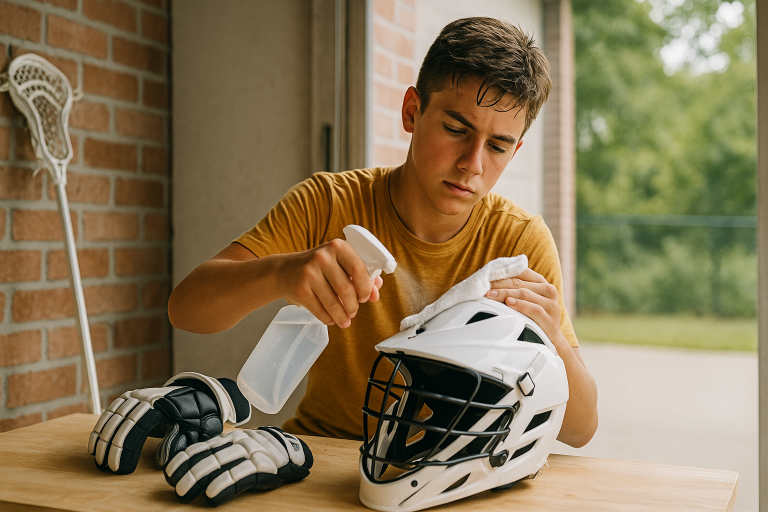
Start by cleaning the cleats after each use. Dirt and debris can quickly break down materials and clog the studs, reducing traction. Use a soft brush or cloth to remove mud and grass from the sole, and wipe down the uppers with a damp cloth. If the cleats are especially wet or muddy, let them dry naturally—never use direct heat, as this can warp the shape and damage synthetic materials.
Also, encourage your child to remove their cleats immediately after games rather than walking on concrete or hard surfaces, which can wear down the studs prematurely. Store cleats in a well-ventilated area and avoid sealing them in gym bags for long periods. When well cared for, even the most active kids can get a full season or more out of the best cleats for kids—saving you money and keeping their feet protected.
Final Thoughts on Choosing the Best Cleats for Kids
When it comes down to it, the best cleats for kids are the ones that help your child feel confident, comfortable, and safe while playing the sport they love. There are many factors to consider—from fit and materials to cleat style and field conditions—but with a little research and attention to detail, you can find a pair that ticks every box.
Remember to involve your child in the decision-making process. Let them try on different pairs, move around, and provide feedback. After all, they’re the ones who will be wearing them game after game.
Taking the time to choose the best cleats for kids means setting your young athlete up for success—so they can focus on improving, having fun, and reaching their full potential on the field.
STXZ private lessons
Find a lacrosse coach near you
Private lessons with independent coaches, booked and paid through STXZ.
- 01Share your goalsYour player’s age, level, goals and the days that work for your family.
- 02Get matchedWe match you with an independent, background-checked coach near you.
- 03Start lessonsMeet at a field close to home, with you or another adult you choose there for every lesson.