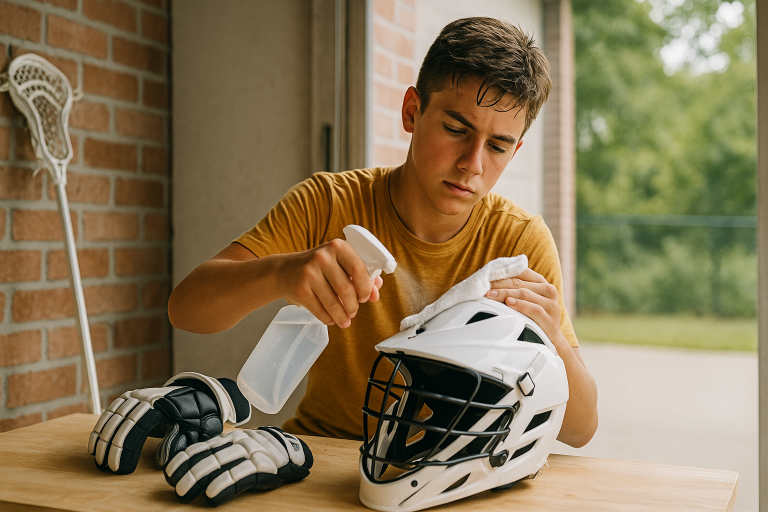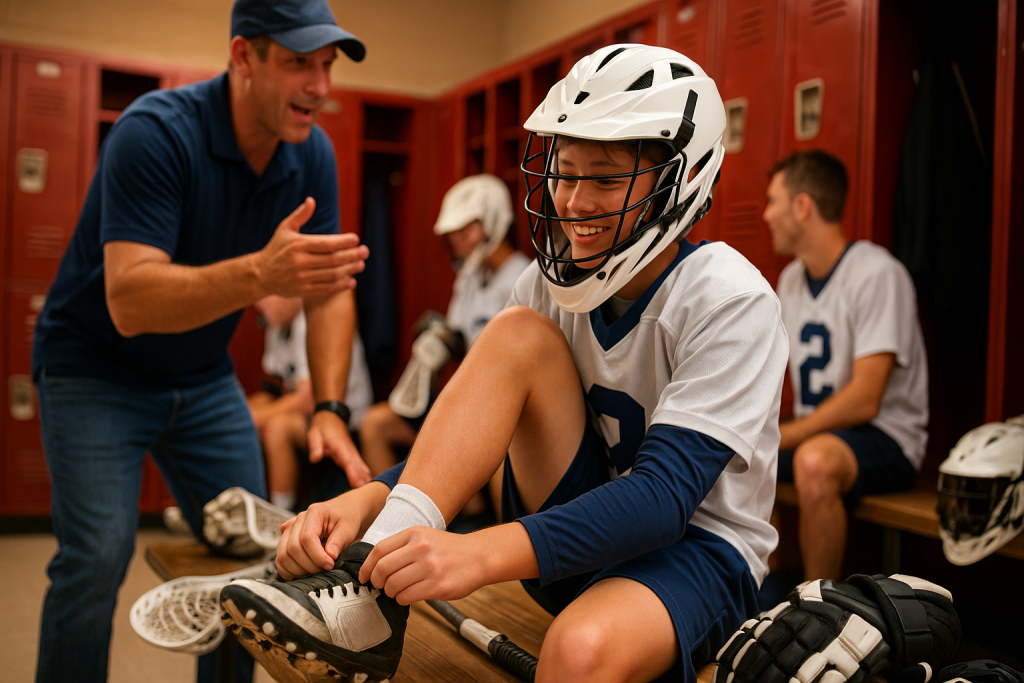
Game day is always an exciting time for young athletes, but it can also be nerve-wracking. The pressure to perform, combined with the anticipation of the game, can sometimes result in unnecessary stress for players. One of the most effective ways to reduce pre-game anxiety and set your child up for success is through a consistent and structured game day routine. Establishing a set of habits and rituals before each game will not only help your child mentally prepare but also physically prepare them for the demands of lacrosse.
The benefits of game day routines are immense, as they offer structure and consistency that can help players feel more in control of their performance. When your child follows a routine, they know exactly what to expect, which can reduce anxiety and increase their confidence. Routines also promote discipline, focus, and time management, all of which are essential for success both on and off the field. The key is finding a routine that works for your child and ensuring they stick with it every game.
The best game day routines are tailored to your child’s specific needs and preferences. A routine that suits one player might not work for another, but the goal remains the same: to help them perform at their highest potential. Below, we’ll break down the key elements of a successful game day routine that can give your child the mental and physical edge they need to succeed.
Creating a Pre-Game Routine
A solid game day routine begins long before the first whistle blows. One of the most important elements of this routine is the pre-game preparation. What your child does in the hours leading up to the game can have a significant impact on their performance. A well-structured pre-game routine sets the tone for a successful game, providing the mental and physical preparation necessary for peak performance.
Start by ensuring your child gets up with plenty of time to spare before the game. Rushing through the morning can increase anxiety and leave them feeling disorganized. A consistent start to the day will help your child settle into the rhythm of their routine and feel more in control. Encourage a nutritious breakfast that includes carbohydrates, proteins, and healthy fats to provide sustained energy. Avoid heavy or greasy foods, which can make them feel sluggish.
Additionally, hydration is key. Dehydration can affect performance and focus, so make sure your child is drinking water or a sports drink well before the game starts. Staying hydrated throughout the day can help prevent fatigue, cramping, and mental fog. Here are some tips for an effective pre-game game day routine:
- Wake up early: Give your child time to wake up, eat, and mentally prepare for the day.
- Eat a balanced breakfast: Provide foods that fuel your child’s body and give them energy for the game.
- Hydrate well: Encourage your child to drink water throughout the morning to stay hydrated.
By following a consistent pre-game game day routine, your child will feel more grounded and ready to tackle the physical and mental challenges of the game.
Mental Preparation: Building Confidence and Focus
A game day routine isn’t complete without focusing on the mental aspects of preparation. The psychological side of lacrosse plays a huge role in performance, and mental preparation should be part of the routine. Many young athletes struggle with nerves before a big game, and this is where a consistent mental routine can help. By creating mental rituals and strategies for staying focused, your child can learn to manage stress and perform under pressure.
One effective mental preparation technique is visualization. Encourage your child to close their eyes and picture themselves on the field, performing well, making accurate passes, and working seamlessly with teammates. This mental rehearsal can build confidence and set a positive mindset before stepping onto the field. Visualization helps your child imagine success, which can enhance their ability to perform in real game situations.
In addition to visualization, positive self-talk is another key element of a game day routine. Encourage your child to repeat affirmations or positive statements, such as “I am confident,” “I am prepared,” or “I will play my best.” This type of mental reinforcement can help calm nerves and boost confidence. It’s important that these thoughts become part of your child’s pre-game routine, as positive thinking can have a powerful impact on performance.
Here are some tips for incorporating mental preparation into your game day routine:
- Visualization exercises: Have your child mentally rehearse their game, seeing themselves performing well on the field.
- Positive self-talk: Encourage your child to affirm their abilities and visualize success.
- Deep breathing: Teach your child calming breathing techniques to help reduce anxiety and clear their mind.
Building a solid mental routine is essential for helping your child stay focused and confident, which will translate into improved performance on game day.
Physical Warm-Up: Prepping the Body for Action
Another vital part of any game day routine is the physical warm-up. A proper warm-up is crucial to prepare the body for the intense physical activity of lacrosse. Skipping warm-ups or rushing through them can increase the risk of injury and leave your child feeling stiff and unprepared. A good game day routine should include dynamic stretching, light aerobic exercises, and sport-specific movements that target the muscles your child will use during the game.
A dynamic warm-up consists of movements that gradually increase in intensity, helping to raise your child’s heart rate and activate key muscle groups. Activities like high knees, butt kicks, leg swings, and arm circles can help your child get their body moving and ready to perform. Focus on warming up both the upper and lower body, as lacrosse requires coordination and strength from head to toe. These exercises will improve flexibility and agility, which are important for quick direction changes and swift movements on the field.
In addition to dynamic stretching, incorporating sport-specific drills into the warm-up can also help your child prepare mentally and physically. Drills such as cradling, passing, or catching can get their hands and eyes ready for the game. A good game day routine should also involve some light ball handling or stick drills to activate the muscles used most in lacrosse.
Here’s how to structure an effective warm-up as part of your game day routine:
- Dynamic stretching: Include movements that help loosen muscles and increase range of motion.
- Sport-specific drills: Incorporate drills such as passing, cradling, or footwork to prepare for game situations.
- Progressive intensity: Start with low-intensity movements and gradually increase to match the level of activity during the game.
A proper warm-up will help your child feel physically prepared, reduce the risk of injury, and improve their performance on the field.
Setting Expectations and Pre-Game Goals
Part of your child’s game day routine should include setting realistic goals and expectations for the game. This is a great opportunity to discuss what they hope to achieve during the game, whether it’s improving their passing accuracy, playing solid defense, or simply having fun. Having clear, achievable goals can help your child focus on what’s important and reduce unnecessary pressure.
Rather than placing heavy emphasis on winning or individual performance, encourage your child to focus on their personal growth and effort. By aligning their goals with these values, they will be less likely to experience game day burnout and more likely to remain motivated.
Setting goals can also help your child stay positive during the game, as they will have specific objectives to focus on. Goals should be simple and attainable, such as “I will complete 10 accurate passes” or “I will stay in front of my defender.” This shift in focus helps keep their mindset on the process, rather than just the result.
Here’s how to incorporate goal-setting into your game day routine:
- Set small goals: Make sure the goals are realistic and achievable for your child’s skill level.
- Focus on effort, not outcomes: Encourage your child to concentrate on their performance and effort, rather than just winning.
- Celebrate progress: Recognize the effort, no matter the outcome, to reinforce positive behavior and effort.
Having clear goals will guide your child’s performance and help them feel accomplished, regardless of the game’s outcome.
Post-Game Reflection and Recovery
The game day routine doesn’t end when the final whistle blows. After the game, it’s important to help your child reflect on their performance, celebrate their successes, and learn from areas that need improvement. Post-game reflection is a key part of the growth process, as it helps children analyze their performance and set goals for future games.
In addition to reflection, post-game recovery is just as crucial. Proper recovery ensures that your child’s body can bounce back and be ready for the next game. Encourage them to hydrate, stretch, and perform light exercises after the game to prevent soreness and tightness. A solid recovery routine will help reduce the physical impact of the game and keep your child feeling strong and energized.
Here’s how to structure a post-game reflection and recovery as part of your game day routine:
- Encourage reflection: Ask your child to think about what went well and what they can improve next time.
- Focus on recovery: Remind your child to hydrate, stretch, and rest to prevent soreness.
- Celebrate victories: Whether it’s a win or a loss, acknowledge the effort and progress your child made.
By reflecting on the game and prioritizing recovery, your child will be ready to perform their best the next time they step on the field.
Conclusion
A consistent game day routine is an invaluable tool for setting your child up for success. From mental preparation to physical warm-ups, setting goals, and focusing on recovery, every element plays a crucial role in helping your child perform at their highest potential. The key is consistency. By establishing and sticking to a routine, your child will feel more confident, prepared, and ready to face the challenges of each game.
Remember, game day routines should be tailored to fit your child’s specific needs and preferences. When done right, these routines help reduce anxiety, improve performance, and foster a love for the game. By focusing on the process and progress rather than just the outcome, you can set your child on the path to long-term success and enjoyment in lacrosse.
STXZ private lessons
Find a lacrosse coach near you
Private lessons with independent coaches, booked and paid through STXZ.
- 01Share your goalsYour player’s age, level, goals and the days that work for your family.
- 02Get matchedWe match you with an independent, background-checked coach near you.
- 03Start lessonsMeet at a field close to home, with you or another adult you choose there for every lesson.