Lacrosse is a thrilling, fast-paced sport that combines speed, strategy, and physicality. Whether you’re dodging defenders, sprinting down the field, or making a game-saving stop as a goalie, the intensity of the game demands top-notch protective gear. At the heart of this gear is the lacrosse helmet—a piece of equipment that’s as essential as your stick or cleats. A lacrosse helmet isn’t just about compliance with the rules; it’s about safeguarding your most valuable asset: your head.
Head injuries, such as concussions, can have serious short- and long-term effects, which is why investing in the right lacrosse helmet is critical. But with so many options available, how do you know which one is perfect for you? This guide will walk you through everything you need to consider, from safety certifications to fit and comfort, so you can make an informed decision and stay protected on the field.
Why a Lacrosse Helmet is Essential
Before diving into the specifics of choosing a lacrosse helmet, it’s important to understand why this piece of equipment is so crucial. Lacrosse involves high-speed balls, physical contact, and quick movements, all of which increase the risk of head injuries. A lacrosse helmet is designed to protect your skull, brain, and face from impacts, whether from a stray stick, an errant ball, or a collision with another player.
Head injuries can have long-lasting consequences, which is why wearing a properly fitted and certified lacrosse helmet is non-negotiable. It’s not just about following the rules of the game—it’s about ensuring your safety so you can enjoy the sport for years to come.
Key Features to Look for in a Lacrosse Helmet
When shopping for a lacrosse helmet, there are several key features to consider. These elements will help you determine which helmet offers the best combination of safety, comfort, and performance.
- Certification and Safety Standards
Always ensure the lacrosse helmet meets the safety standards set by organizations like the National Operating Committee on Standards for Athletic Equipment (NOCSAE) or the ASTM International. These certifications guarantee that the helmet has undergone rigorous testing and provides adequate protection.
- Fit and Adjustability
A lacrosse helmet should fit snugly without being too tight. Look for helmets with adjustable straps, padding, and sizing mechanisms to ensure a custom fit. A poorly fitted helmet can shift during play, leaving you vulnerable to injuries.
- Ventilation
Lacrosse is an intense sport, and you’ll likely work up a sweat. A helmet with proper ventilation will keep you cool and comfortable, even during the most demanding games.
- Field of Vision
Your lacrosse helmet should provide a clear and unobstructed view of the field. Look for designs with a wide eye port and minimal bars or obstructions.
- Durability
Lacrosse helmets are an investment, so you’ll want one that can withstand the rigors of the game. High-quality materials like polycarbonate shells and reinforced cages are indicators of a durable helmet.
Understanding Lacrosse Helmet Sizing
One of the most common mistakes players make is choosing a lacrosse helmet that doesn’t fit properly. A helmet that’s too loose can slip during play, while one that’s too tight can cause discomfort and headaches. Here’s how to ensure you get the right size:
- Measure Your Head
Use a soft measuring tape to measure the circumference of your head, starting just above your eyebrows. Compare this measurement to the sizing chart provided by the helmet manufacturer.
- Try It On
If possible, try on the helmet before purchasing. Adjust the straps and padding to see how it feels. The helmet should sit level on your head and not move when you shake your head.
- Check for Pressure Points
Pay attention to any areas where the helmet feels too tight or causes discomfort. These pressure points can become painful during extended play.
Types of Lacrosse Helmets
Not all lacrosse helmets are created equal. Depending on your position, age, and level of play, you may need a specific type of helmet. Here are the main categories to consider:
- Youth Lacrosse Helmets
Designed for younger players, these helmets are lighter and smaller to accommodate smaller heads. They also often feature additional padding for extra protection.
- Adult Lacrosse Helmets
These helmets are built for high school, college, and professional players. They are more robust and offer advanced features like enhanced ventilation and impact resistance.
- Goalie-Specific Helmets
Goalies face the most shots and need extra protection. Goalie lacrosse helmets typically have a wider field of vision and additional padding around the throat and jaw areas.
Top Brands and Models to Consider
When it comes to lacrosse helmets, the market is filled with options from various brands, each offering unique features and designs. While we won’t mention specific brands here, it’s worth noting that some manufacturers have built a strong reputation for producing high-quality, reliable helmets. These brands often prioritize safety, durability, and innovation, ensuring their products meet the demands of players at all levels.
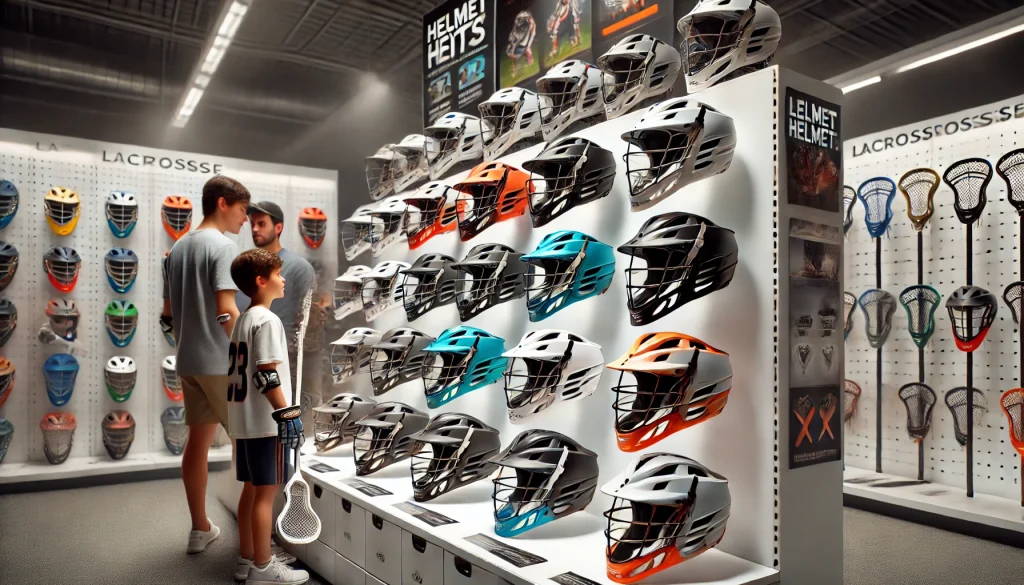
When researching, look for brands that consistently receive positive reviews from players, coaches, and industry experts. Reading online reviews and asking for recommendations from teammates or local lacrosse communities can also help you identify the best options. Additionally, consider the specific needs of your position and playing style—whether you’re a goalie needing extra protection or a field player looking for lightweight comfort—to narrow down your choices.
It’s also a good idea to explore newer models that incorporate advanced technologies, such as improved impact absorption, enhanced ventilation systems, and customizable fit options. While these features may come at a higher price point, they can significantly enhance your comfort and safety on the field. Don’t forget to check for compliance with safety standards, as this is non-negotiable when it comes to protecting your head. By taking the time to research and compare different brands and models, you’ll be better equipped to find a lacrosse helmet that meets your needs and gives you peace of mind during play.
How to Maintain Your Lacrosse Helmet
Once you’ve found the perfect lacrosse helmet, it’s important to take care of it to ensure it lasts and continues to provide optimal protection. Here are some maintenance tips:
- Clean It Regularly
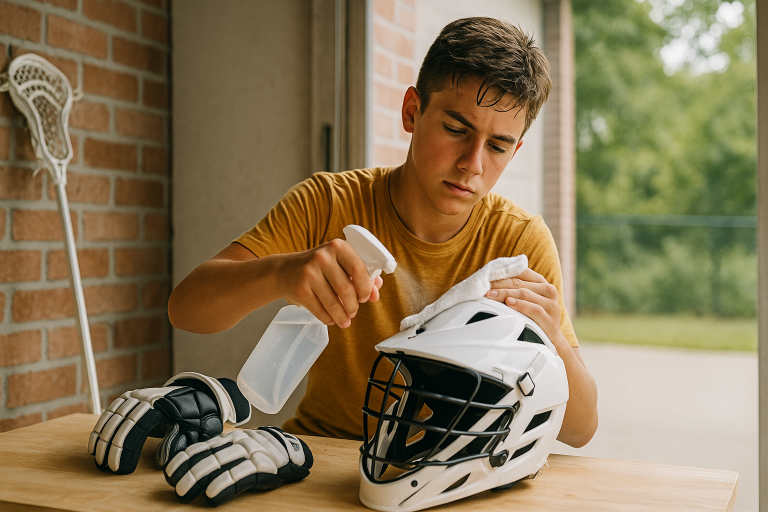
Use a mild soap and water solution to clean the helmet’s exterior and interior padding. Avoid harsh chemicals that could damage the materials.
- Inspect for Damage
Before each use, check the helmet for cracks, dents, or loose components. Any damage could compromise the helmet’s effectiveness.
- Replace When Necessary
Lacrosse helmets are designed to withstand impacts, but they’re not indestructible. If your helmet has been involved in a significant collision or shows signs of wear, it’s time to replace it.
Common Mistakes to Avoid When Choosing a Lacrosse Helmet.
Even with all the information available, it’s easy to make mistakes when selecting a lacrosse helmet. Here are some pitfalls to watch out for:
- Prioritizing Style Over Safety
While it’s tempting to choose a helmet based on its appearance, safety should always come first. A flashy design won’t protect you if the helmet doesn’t meet safety standards. - Ignoring Fit
A helmet that doesn’t fit properly is almost as bad as not wearing one at all. Take the time to find a helmet that fits snugly and comfortably. - Skipping the Research
Don’t just grab the first lacrosse helmet you see. Do your homework to ensure you’re getting a high-quality product that meets your needs.
Frequently Asked Questions About Lacrosse Helmets
When it comes to lacrosse helmets, players and parents often have questions about safety, fit, and maintenance. One common question is, How often should I replace my lacrosse helmet? Most manufacturers recommend replacing your helmet every 3-5 years, depending on usage and wear. However, if your helmet has been involved in a significant impact or shows visible damage, it’s crucial to replace it immediately, as its protective capabilities may be compromised.
Another frequently asked question is, Can I use a hockey helmet for lacrosse? The answer is no. Lacrosse helmets are specifically designed to protect against the types of impacts common in lacrosse, such as high-speed balls and stick checks. Hockey helmets are built for different types of impacts and may not provide adequate protection on the lacrosse field. Lastly, many players wonder, Are expensive helmets worth it? While higher-priced helmets often come with advanced features like better ventilation or lightweight materials, the most important factor is safety. As long as the helmet meets safety standards and fits well, it doesn’t have to be the most expensive option to provide excellent protection.
Final Thoughts on Choosing the Perfect Lacrosse Helmet
Choosing the perfect lacrosse helmet is one of the most important decisions you’ll make as a player. It’s not just about picking the coolest design or the most popular brand—it’s about finding a helmet that prioritizes your safety, comfort, and performance. A lacrosse helmet is your ultimate shield on the field, protecting you from the unpredictable nature of the game. Whether you’re a youth player just starting out or a seasoned athlete competing at a high level, the right helmet can make all the difference.
When selecting a lacrosse helmet, remember to focus on the essentials: safety certifications, proper fit, ventilation, and durability. Don’t rush the process—take the time to try on different models, read reviews, and consult with coaches or experienced players. Your helmet is an investment in your safety and your ability to enjoy the game to its fullest.
Finally, once you’ve found the perfect lacrosse helmet, take care of it. Regular maintenance and inspections will ensure it remains in top condition, providing reliable protection season after season. Lacrosse is a sport that demands passion, skill, and resilience, and your helmet is there to support you every step of the way. So gear up, stay safe, and get ready to dominate the field with confidence!
STXZ private lessons
Find a lacrosse coach near you
Private lessons with independent coaches, booked and paid through STXZ.
- 01Share your goalsYour player’s age, level, goals and the days that work for your family.
- 02Get matchedWe match you with an independent, background-checked coach near you.
- 03Start lessonsMeet at a field close to home, with you or another adult you choose there for every lesson.